Shopping in Calabria — coast by coast shopping guide
In Calabria, shopping is not one thing — and the coast you sleep on changes what is realistic. Some towns put you close to a good city street or ceramic village. Others make more sense for food products, bergamot, or textile workshops. And some are simply practical retail hubs that make a longer stay easier. This page covers each coast separately, so the right starting point is wherever you are already planning to sleep.
If you're staying on the northern Tyrrhenian, the best shopping is tied to territory: cedro products in Santa Maria del Cedro, the pepper-driven pantry culture of Diamante, and Cosenza when you need a proper city shopping day beyond food gifts.
Good to Know
This coast rewards product shoppers more than fashion ones
If pantry buying and food gifts tied to a specific place matter to you, this stretch earns its keep. It is not a coast to force into a fashion-district fantasy.
Good to Know
The best pattern here
Beach in the morning, inland lunch, one craft or product stop on the way back. That pattern fits the territory naturally and keeps the day from feeling like too much driving.
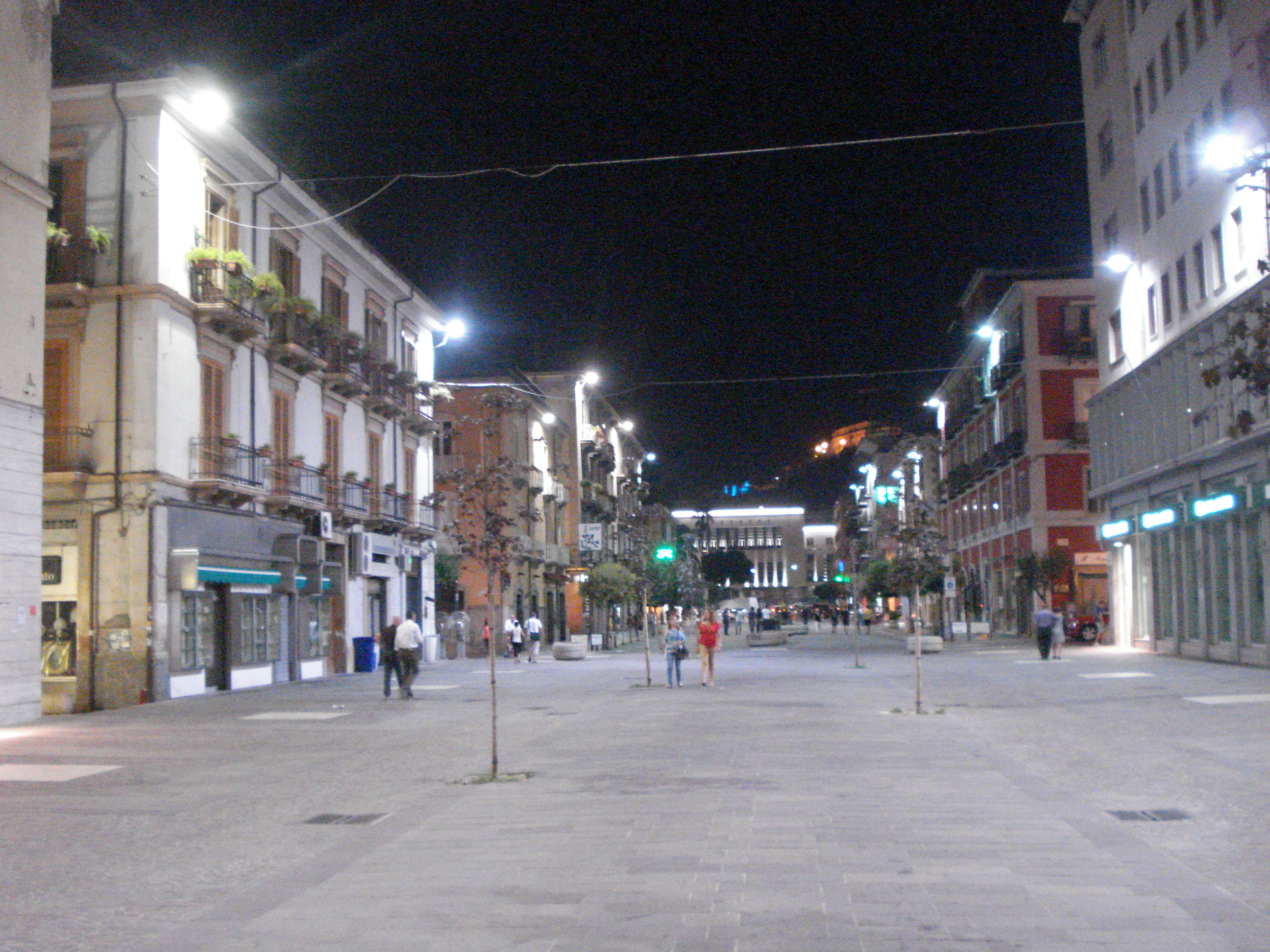
For practical retail on the coast, Scalea and Praia do the everyday job well enough. But the bigger shopping argument sits inland: Cosenza pulls the trip into a different dimension, with Corso Mazzini for fashion and design, the Bilotti collection's open-air art alongside it, and confectionery around Fico Dottato di Cosenza and varchiglia that makes gifting feel considered rather than accidental.
Worth the Trip
Morano, La Bottega del Pollino, and Pollino craft routes
The inland edge earns more than the shoreline here. Morano and the Pollino-facing towns offer chestnut-wood walking sticks, rustic terracotta amphorae, and handmade objects that feel mountain-rooted rather than designed for beach browsing. La Bottega del Pollino is the best reference point for that north-Calabrian craft mood, especially combined with an inland lunch.
Where to Start
Santa Maria del Cedro, Diamante, and pantry buying
The main shopping thread on this stretch is territorial. Cedro products — preserved peel, liqueurs, sweets — are easiest to find in Santa Maria del Cedro, where the fruit actually grows. Diamante adds pepper-driven pantry goods and an unhurried afternoon walk. Neither is a fashion destination, but both give you something specific to bring home and explain.
Worth the Trip
Cosenza on foot — MAB, Mazzini, and the Renella
What Cosenza adds specifically, beyond the shopping street, is texture: the Bilotti sculptures visible from the pavement, the monthly antiquarian market at the Mercato della Renella in the old town, and a confectionery tradition old enough to have monastery origins. That combination is worth a dedicated afternoon on a longer stay rather than a quick pass through.
Tyrrhenian · Gulf of Sant'Eufemia
Riviera dei Tramonti
If you're staying on the Gulf of Sant'Eufemia, the main shopping argument is convenience: easy access to Lamezia, the Due Mari retail hub, and inland producer stops while still sleeping by the sea. This is not a mythic artisan coast, but it is one of Calabria's most practical ones.
Good to Know
One of Calabria's best choices when practicality matters as much as atmosphere
Families, split-stay travellers, and longer holidays often benefit from a coast that can handle normal shopping errands without ceremony. This is that coast.
Good to Know
Less right if you're hunting for a specific artisan town
If your plan is a ceramics village or a textile workshop, you will use this coast more as a hub than as the destination itself. Its strength is reach and convenience, not artisan depth.
For everyday town shopping and regional errands, Lamezia is the district's main urban stop. Corso Numistrano is the recognisable centre of that street-shopping scene, sitting close enough to the Museo Archeologico Lametino to make the stop feel like more than a purely functional errand. It is useful on any stay that needs real everyday functionality.
Worth the Trip
Lametia oil and agricultural-plain producers
Lametia DOP olive oil and the wider agricultural-plain producer stops give the district more substance than a simple beach-and-shopping-centre view would suggest. They keep this coast tied to local territory rather than to convenience alone — and a good tin of oil travels better than most other Calabrian buys.
Where to Start
Due Mari and concentrated retail
If you need gifts, books, clothing, or everyday supplies in one place without wasting time, this is one of Calabria's most efficient answers. The Due Mari centre at Maida opened in 2003 and grew into a 100-plus-store hub between Catanzaro and Lamezia, with brands including Sephora, Pandora, Cisalfa Sport, and Giunti al Punto. A real advantage for families and longer itineraries when one stop needs to cover several jobs.
Worth the Trip
Lamezia lutherie and the cross-isthmus reach
The district has a quieter instrument-making tradition through Lamezia workshops connected to the lira calabrese and chitarra battente — named makers including Vincenzo Piazzetta and Paolo Papandrea keep the craft alive. Because the peninsula is narrow here, you can also combine that with Catanzaro-side city shopping more easily than from most other coasts. That flexibility is the coast's real advantage.
Tyrrhenian · Vibo Valentia
Costa degli Dei
If you're staying on the Costa degli Dei, the shopping almost organises itself: Tropea onion products, Spilinga 'nduja, Pizzo sweets, and walkable historic-town browsing all fit naturally inside a beach week without forcing a plan. This is the coast where the easiest buys are also the most specific ones.
Good to Know
The easiest coast in Calabria for obvious, delicious, place-specific shopping
If you want the shopping to feel memorable without requiring research, this is the coast. The best names — 'nduja, Tartufo, Tropea onion — are visible and good almost everywhere you look.
Good to Know
Strong on foot, stronger with one inland run
Town browsing on the coast plus one short producer stop inland is the pattern that gives the district the most substance. If your dates line up, the Fiera dell'Annunziata adds the most rooted version of that.
Tropea is the clearest entry point: food gifts, onion products, small artisan buys, and evening shopping that fits naturally into a beach-town walk. The old-town axis is where onion jams, preserves, and pairings with Monte Poro pecorino are easiest to buy well. If your dates align, the historic Fiera dell'Annunziata on 23 March gives the district its most rooted market atmosphere.
Worth the Trip
Spilinga, Monte Poro, and edible territory
'nduja, pecorino, onion preserves, and inland food products make this one of Calabria's clearest coasts for taking home something edible and genuinely regional. One of the better buys in the district is 'nduja from Spilinga packaged in a Seminara ceramic container — food and craft in the same object, and specific enough to explain when you unwrap it back home.
Where to Start
Pizzo sweets and Vibo's practical layer
Pizzo is good for Tartufo-led stops and compact old-town browsing — you do not need more than an afternoon. Vibo Valentia, around Corso Vittorio Emanuele III, gives the district a more ordinary shopping street for when you need clothing, shoes, or errands that a postcard town cannot cover.
Worth the Trip
Serra San Bruno ironwork and inland craft
If you extend inland, the district picks up a more artisanal side through wrought-iron and metalwork traditions connected to Serra San Bruno and the historical memory of the Reali Ferriere di Mongiana. Maker references including the Scrivo family and Stilo's Giuseppe Blefari widen the craft layer beyond food for travellers who want more from an inland detour than a good lunch.
Tyrrhenian · Strait coast
Costa Viola
If you're staying on the Costa Viola, use Reggio Calabria as the city centre and build from there: bergamot specialists on Via del Torrione, Corso Garibaldi for city browsing, Seminara for ceramics, and Bagnara for sweets. This is one of the few stretches of Calabria where city shopping and place-specific craft both deliver at the same time.
Good to Know
Best when you want shopping to feel recognisably southern-Calabrian
The mix of city shopping and place-specific products is what makes this coast distinctive. Choose it when generic beach retail is not enough.
Good to Know
A compact stay can still feel complete here
Because Reggio does the heavy lifting, even a short extension to the far south covers city shopping, bergamot, and ceramics without needing a long itinerary.
Where to Start
Reggio Calabria and Corso Garibaldi
For fashion, urban browsing, and a complete shopping-street experience, Reggio is the clear choice. Corso Garibaldi runs for roughly two pedestrianised kilometres near the Lungomare Falcomata, Duomo, Castello Aragonese, and Teatro Cilea — one of the few places in Calabria where city shopping really feels like a full urban ritual of boutiques, chains, and seafront-adjacent strolling.
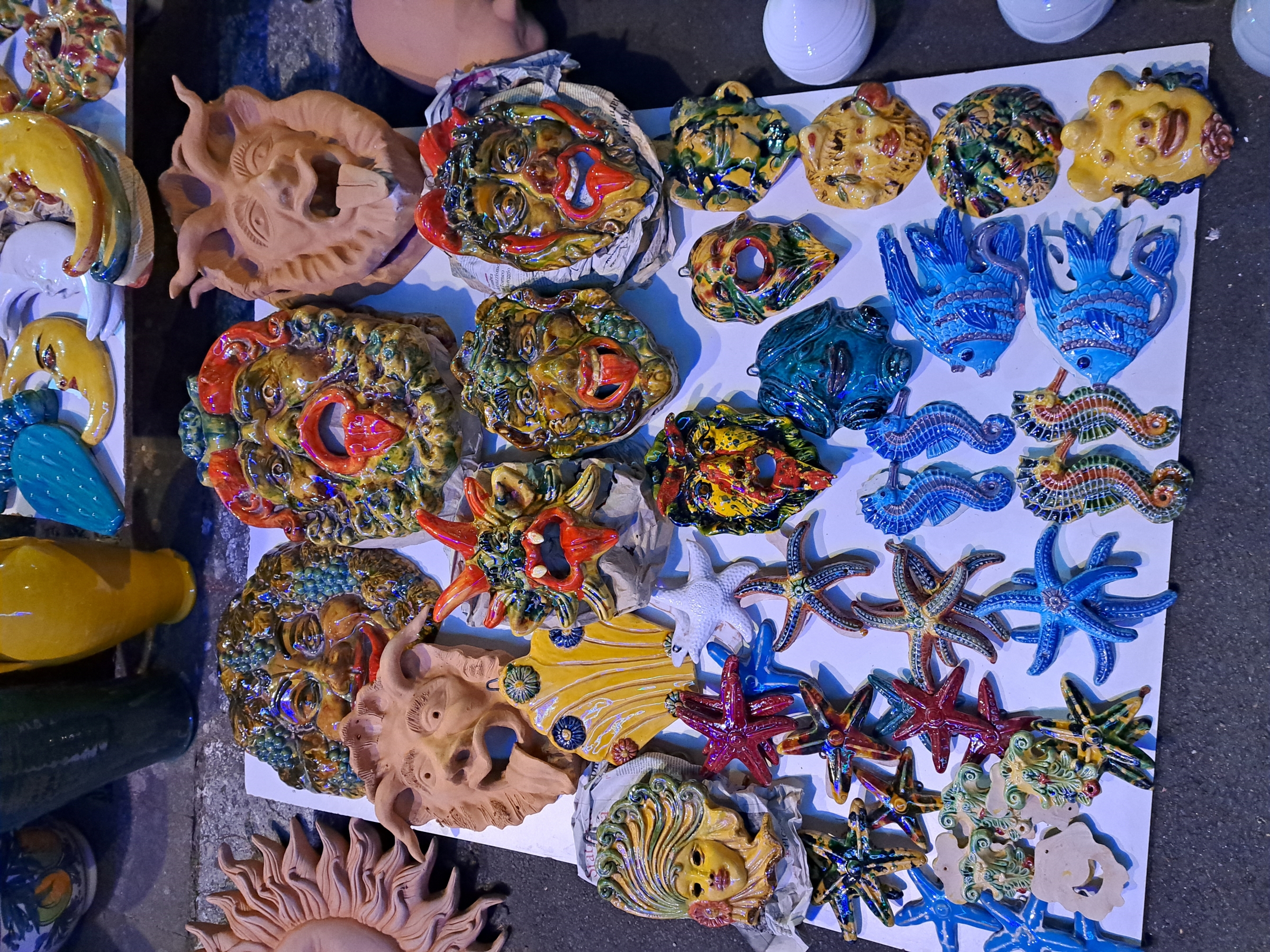
Seminara is one of Calabria's major ceramic towns and the most important artisan-shopping detour in the far south. This is where babbaluti, apotropaic masks, gappacumpari, and lancialle still make sense as real purchases in a palette of yellow, ramina green, and blue — tied to makers including Enzo and Giuseppe Ferraro, Paolo Condurso, and Antonio Ditto. Essential for anyone who cares about living craft rather than decorative souvenirs.
Where to Start
Bergamot specialists and far-south product stores
The Reggio area is also where bergamot shopping becomes serious rather than decorative. From marmalades and liqueurs to tea, candles, baba, and pure essential oil, the buying options are wide. Named specialists such as Specialità Pizzimenti on Via del Torrione make the coast's bergamot culture feel like a refined product system rather than a citrus souvenir.
Worth the Trip
Bagnara sweets, Porto Bolaro, and the wider Reggio layer
Bagnara adds local sweets for a short scenic-drive stop. Porto Bolaro covers the panoramic Strait-side retail option with brands including MediaWorld, Cotton & Silk, and Piazza Italia. And if you happen to be in town on the right weekend, the antiquarian market around the Lido Comunale gives the city a small but genuine collector's side.
Ionian · Southern Locride and Grecanica
Costa dei Gelsomini
If you're staying on the southern Ionian, shopping is best treated as part of the territory rather than the headline of the day: smaller town centres, Locride utility stops, Grecanica products, and Gerace for artisan ceramics. This is a coast for slow, curious travel rather than for planned retail runs.
Good to Know
Best for local buys rather than luxury browsing
Travellers who want shopping to stay modest, practical, and rooted in place often get more from this coast than from louder retail zones. It rewards patience more than speed.
Good to Know
Shopping fits best into cultural days
Gerace, the Grecanica route, or a coastal product stop all make more sense as part of a broader afternoon than as a standalone shopping day. That is the natural pace of the coast.
Where to Start
Siderno, Roccella, and Locride everyday shopping
There is no dominant shopping street here, so use the coast differently. Roccella and Siderno are useful everyday towns for longer stays rather than grand destinations. If you need concentrated retail, the Locride hub around Siderno — including La Gru, with Euronics, Geox, OVS, and Libreria Mondadori — does the practical job without a cross-region trip.
Gerace adds the most distinctive artisan stop on this coast through the old Borgo dei Vasai, the memory of the argagnari potters, and ceramic workshops — Rosetta and I Gabbacumpari among them — that echo the decorative language of the cathedral and historic centre. It is the best shopping argument for giving the district an inland half-day, and it pairs well with lunch in the town.
Where to Start
Smaller product-led buying in the south
The real reward here is in modest product buying, local food gifts, and the kind of smaller-scale purchases that feel attached to the southern Ionian rather than to a generic beach strip. This is not a coast of polished promenades. But travellers who prefer local character over retail gloss usually find more substance here than they expected.
Worth the Trip
Grecanica villages and cultural shopping
The value in the Grecanica villages lies in smaller-scale products and the context behind them — things tied to a surviving minority culture that is harder to find anywhere else in Italy. The larger Siderno-side retail covers the practical needs that the villages cannot. That split is what makes the coast viable for longer stays: the everyday errands and the meaningful buys are both achievable without crossing to a different side of the region.
Ionian · Gulf of Squillace and Catanzaro
Costa degli Aranci
If you're staying on the Gulf of Squillace, this is one of Calabria's most versatile shopping districts: Catanzaro's city streets, Squillace ceramics, and Tiriolo textiles all sit within manageable reach of the beach towns. It suits groups with different priorities because city shopping and artisan craft are both genuinely available without changing hotel.
Good to Know
One coast where people with very different shopping plans can travel together
One traveller takes a city or craft trip, another keeps a beach day, and everyone meets again easily by evening. That flexibility is genuinely rare.
Good to Know
One of the safest planning answers for a mixed Calabria trip
Beach, city shopping, ceramics town, and textile workshop in the same stay, without extended driving. Hard to match from most other coastal districts.
Catanzaro is the key city-shopping stop for more conventional browsing, and a useful counterpoint to the beach towns farther down the gulf. The street has the feel of an elegant inland promenade, with the Politeama and the historic centre close enough to keep the stop cultural as well as practical. The city also has stronger links to textiles and jewellery than it is usually given credit for.
Worth the Trip
Squillace ceramics
Squillace is one of Calabria's most important ceramic towns and a key artisan-shopping stop on the middle Ionian. The graffito squillacese technique — incising through white slip to reveal darker clay before glazing — gives the district a craft language distinct from Seminara's. Workshops including Ideart by Antonio Commodaro and Agazio Mellace add real maker names, studio-visit potential, and a genuine reason to spend a morning in the town.
Where to Start
Soverato and beach-town retail
Soverato is less important for major shopping than for giving the coast solid everyday retail and evening browsing along the promenade. It fills the gaps left by the more focused city or craft trips — useful, not remarkable.
Worth the Trip
Tiriolo textiles and the cross-isthmus reach
The vancale — a historic Calabrian shawl woven in silk, ginestra, and gold thread on four-heddle looms — is one of the most specific and buyable craft objects in the region, and Tiriolo is where it is still being made. Named references including Vancali Tessiture Antiche, Desiree Zinna, Antonio Mazzei, and TessilArt make the district far richer in living textile craft than most beach-famous coasts. Because the isthmus is narrow here, a westward trip is also easier than it would be from almost anywhere else.
Ionian · Crotonese
Costa dei Saraceni
If you're staying on the Crotonese, the shopping is not the broadest in Calabria, but it is easy to understand: Cirò for wine, Cutro for bread, Crotone for jewellery and urban stops, and a periodic market culture that suits travellers who prefer territory-specific buying to a generic retail run.
Good to Know
Buy for territory, not for quantity
Wine, bread, pantry goods, and a jewellery stop usually outperform any attempt to force this district into a big shopping-day fantasy. Specificity is the payoff here.
Good to Know
Shopping belongs with culture and food days
The best buying from this coast usually happens alongside a winery visit, an archaeology morning, or an inland meal — not as a standalone plan. That is what makes the district feel coherent.
For many travellers, the most meaningful shopping here is wine-first, not fashion-first. Cirò gives the district a clear focus — bottle buying that feels inseparable from the Crotonese coast, and a natural buy for any food-and-archaeology itinerary. A Cirò Rosso Classico Superiore from a good producer is one of the more specific wine souvenirs you can bring back from any Italian coastal holiday.
Worth the Trip
Cutro bread and Crotonese pantry buying
Bread, pantry products, and inland Crotonese specialities give the district more substance than a beach-only read suggests. This is the part of the coast where edible shopping becomes rooted rather than decorative — best combined with a food-focused inland lunch that gives the stop its proper context.
Where to Start
Crotone urban shopping and goldsmithing
Crotone adds more conventional city shopping and a link to goldsmithing inspired by Magna Graecia forms — hard stones, micro-fusions, and motifs drawn from coins and classical symbols. It is the one coast in Calabria where jewellery can genuinely become part of the regional shopping story rather than being borrowed from somewhere else.
Worth the Trip
Monthly market and antiquarian stops
The Fiera Mercato dell'Antiquariato in Piazza Mercato — held on the first Sunday of the month — is a large exhibitor event that adds a small but real memory-and-objects strand to the district. For travellers who enjoy periodic local events and buying conditions that feel less standardised than a souvenir shop, it is a more interesting afternoon than any mall in the area.
Ionian · Sibaritide and northern Ionian
Costa degli Achei
If you're staying in the Sibaritide, there is more shopping depth than the long beaches first suggest. Rossano's liquorice world, the Sila-side textile and craft routes, and the broader north-Cosenza urban scene all support longer stays that want both practical shopping and meaningful regional buys.
Good to Know
A coast that suits repeated inland half-days
Because the beach mechanics are easy, you can give proper time to Rossano, the hill towns, and the textile workshops without the stay feeling too driven. That is a major reason the district suits one-week holidays.
Good to Know
Strong for practical and meaningful buying at the same time
The coast handles normal trip logistics and regional-product shopping better than many more dramatic but less forgiving districts. It is one of Calabria's most usable all-round shopping choices.
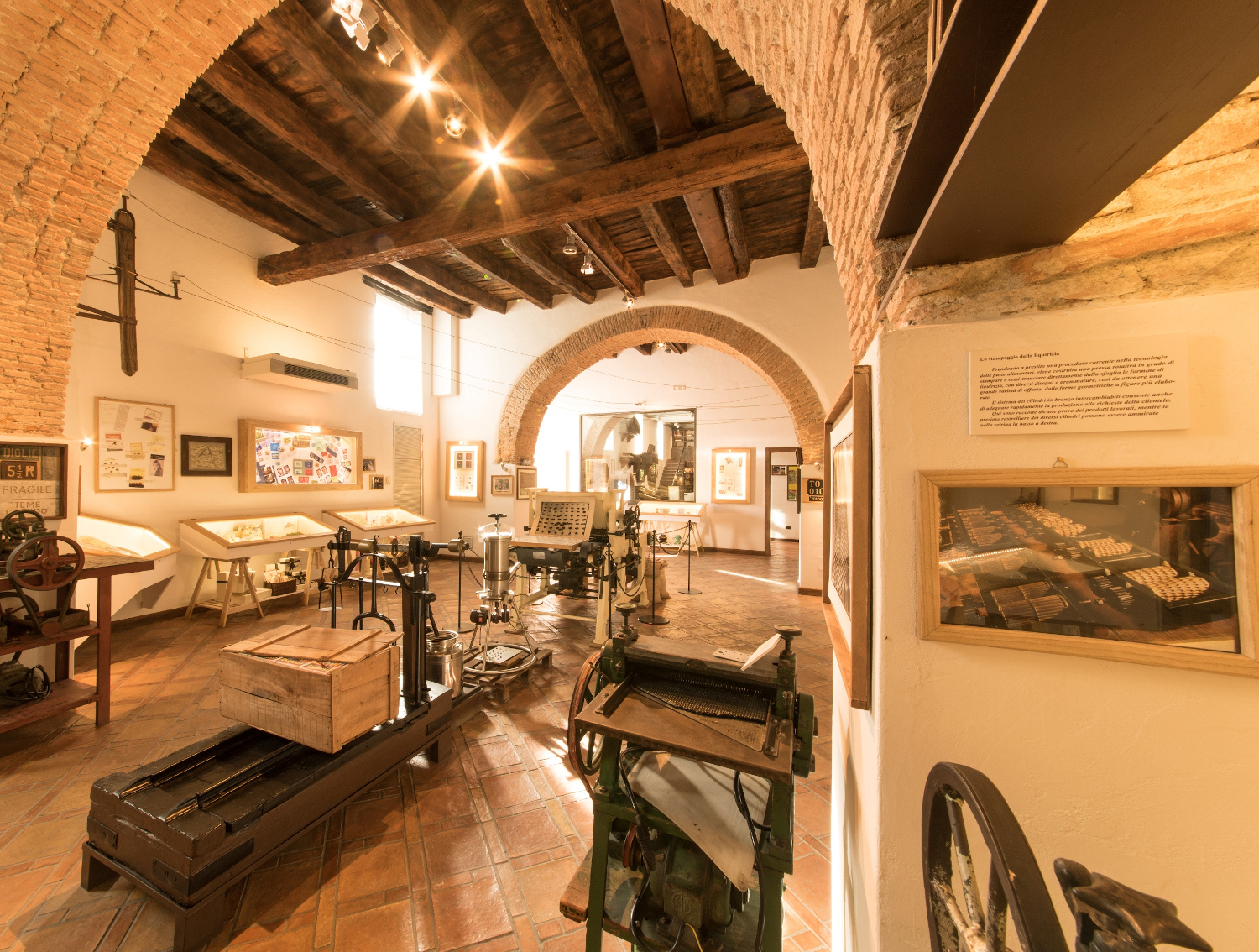
Rossano is one of the district's best individual shopping stops. The Amarelli family has been producing liquorice since 1731, and the Giorgio Amarelli museum in their historic residence is one of the few heritage stops in Calabria where the shop, the story, and the place all arrive together. Vintage tins, liqueurs, perfumed goods, and bath products make it more than a straightforward pantry stop.
Worth the Trip
San Giovanni in Fiore and Longobucco textiles
The Sila-side trips add one of Calabria's richest textile traditions. San Giovanni in Fiore has the Scuola Tappeti Caruso and the Abbazia Florense context. Longobucco has a weaving tradition considered among the most collection-worthy in the region, alongside the Museo dell'Artigianato Silano where you can see what you are buying placed in its history. These are the stops that give the district real artisanal depth beyond food shopping.
Where to Start
Corigliano-Rossano, Cosenza, and city shopping
For everyday town shopping and longer-stay utility, the urban fabric of the district does useful work. If you need a fuller city detour, the north-Cosenza axis adds Corso Mazzini, the MAB open-air collection, and the Rende retail hub through Metropolis for a more brand-heavy shopping option. Important for family or multi-week stays where normal life has to coexist with the holiday.
Worth the Trip
Bisignano lutherie and hill-town craft routes
Bisignano adds the De Bonis lutherie tradition and the Museo della Liuteria — a conservatory of handmade string instruments that is genuinely rare on any Italian shopping itinerary. Cerchiara and the inland belt keep bread, small workshops, and slow shopping in play alongside it. Together they make the northern Ionian one of Calabria's richest long-stay districts for mixed product and craft buying.
Shopping questions
What people want to know before they shop
Shopping Calabria
What makes Calabrian shopping different from other Italian regions — and what you need to know before you plan a day around it.
01What makes Calabrian shopping different from shopping in other parts of Italy?
Calabrian shopping is less about brand streets and more about local products and surviving craft traditions. The region has genuine artisan output — ceramics in Seminara, Squillace, and Gerace; textiles in Tiriolo and Longobucco; instrument making in Bisignano and Lamezia; confectionery tied to specific towns or families — and most of those traditions still exist as working practice, not as museum reconstruction. The food products run in parallel: bergamot, 'nduja, liquorice, Tropea onion braids, Cirò wine, and figs from Cosenza all make genuinely regional purchases that you cannot replicate in a supermarket at home. What the region does not offer, for the most part, is the kind of luxury retail or international fashion arcade you would find in Milan or Florence. What it offers instead is more specific, more rooted, and harder to fake: a piece from a Seminara ceramicist or a jar of 'nduja from Spilinga carries a geography that a designer bag from a chain outlet does not.
02Does Calabria have a strong artisan craft tradition, or is it mostly food products?
Both traditions are real and worth planning for separately. The craft network is genuine and distributed across the region. Seminara produces the most architecturally distinctive ceramics in Calabria — apotropaic masks and archaic forms with a recognisable palette of yellow, ramina green, and blue, still made by named makers. Squillace has a separate graffito technique, incising through white slip before glazing, that gives it a different personality. Tiriolo's weavers still produce the vancale — a historic Calabrian shawl — on four-heddle looms in silk, ginestra, and gold thread. Longobucco has a weaving museum alongside active workshops. Bisignano has a lutherie tradition going back to the De Bonis family, with a dedicated museum to contextualise it. These are not survival crafts kept alive for tourists: they are still being made for regional and national markets. The food products — 'nduja, bergamot, liquorice, wine — run alongside and occasionally overlap, as when 'nduja from Spilinga is packaged in a Seminara ceramic container.
03Is there real city shopping in Calabria, or is it mostly small-town markets and craft stops?
There is real city shopping, and it is worth knowing where it is. Reggio Calabria's Corso Garibaldi is one of the more complete urban shopping streets in the south — roughly two pedestrianised kilometres near the Lungomare Falcomata, with boutiques, chains, and the Strait as a backdrop. Catanzaro's Corso Mazzini is a more inland, elegant version, often underestimated by visitors planning primarily for beach holidays. Cosenza's Corso Mazzini is the third major axis, with the added interest of the open-air Bilotti art collection alongside it. These are not the Quadrilatero della Moda, but they are functional, walkable, and capable of covering clothing, shoes, homeware, books, and regional gifts in a single afternoon. Beyond those three streets, practical retail hubs — Due Mari near Lamezia, Porto Bolaro near Reggio, Metropolis near Cosenza — cover family shopping and errands efficiently for longer stays that need both kinds of day.
04What is the best time of year to shop in Calabria?
Summer is fine for coast-side browsing, food gifts, and ceramics towns, but several of the more interesting events fall outside peak beach season. The Fiera dell'Annunziata in Tropea on 23 March is the district's most rooted market day. The monthly antiquarian fair in Crotone — Piazza Mercato, first Sunday of the month — and the Mercato della Renella in Cosenza run year-round. Artisan workshops in Seminara, Squillace, and Tiriolo are often easier to visit with studio attention outside the busiest summer weeks, when some makers focus on production rather than tourist browsing. For food-product shopping — 'nduja, bergamot, liquorice — summer and autumn are equally good, and the products keep well. If your main interest is craft rather than beach, late spring and early autumn give you better workshop access at lower crowd levels, and the towns themselves are considerably easier to move around.
The names worth knowing
A closer look at the crafts and products that make the biggest impression — and what you actually need to know before you go looking for them.
01What are Seminara ceramics, and why do they matter?
Seminara is a small town in the far south of Calabria, near Reggio, with one of the most distinctive ceramic traditions in the region. Its signature forms — babbaluti, apotropaic masks, gappacumpari, lancialle — come from a visual language linked to Magna Graecia and Byzantine influence, and they look genuinely different from other Italian ceramic centres. The palette tends to yellow, ramina green, and blue. What keeps Seminara interesting rather than folkloric is that several makers — Enzo and Giuseppe Ferraro, Paolo Condurso, Antonio Ditto — are still working in that tradition as a living practice. Buying from a Seminara workshop is different from buying a handmade pot from a craft shop: the object carries a specific technique, a named maker, and a visual vocabulary tied to a place. The town is less than an hour from the Costa Viola beach towns, making it a very manageable half-day from any stay in the far south.
02What is the Tiriolo vancale, and where can you buy one?
The vancale is a historic Calabrian woman's shawl, traditionally woven in Tiriolo — a hilltop town near the narrowest point of the peninsula — in silk, ginestra, or wool, with gold-thread detail on four-heddle looms. It has a long association with local dress culture and social status, and historical examples in the Catanzaro area give a clear picture of how it was once worn. What makes Tiriolo relevant today is that the weaving tradition has not died: workshops including Vancali Tessiture Antiche, Desiree Zinna, and TessilArt still produce in the town, and makers such as Antonio Mazzei continue in the associated tradition. Tiriolo sits on the isthmus between the Ionian and Tyrrhenian coasts, so it is equally reachable from either side. A vancale is not a cheap souvenir — it is a piece of working craft — but it is one of the most specific and genuinely buyable objects the region produces.
03What is the Amarelli liquorice museum, and is it worth the visit?
The Museo della Liquirizia Giorgio Amarelli in Rossano is one of the more unusual heritage stops on the Ionian side. The Amarelli family has been producing liquorice in Calabria since 1731, and the museum occupies part of the family's historic residence — a place that feels genuinely old rather than staged for tourists. The exhibition covers liquorice extraction, production history, vintage tins from different eras, and the family's role in keeping one of Calabria's most distinctive agricultural products commercially alive. The shop alongside the museum sells the full Amarelli range: natural liquorice pieces, flavoured varieties, liqueurs, perfumed goods, and bath products. It is worth the visit both because the museum is genuinely interesting and because buying there — rather than from a coastal gift shop stocking the same tins — connects the purchase to a specific place and a real story. The stop combines well with Rossano's old town on the same half-day.
04Which Calabrian food products make the best purchases, and which ones travel well?
'nduja in a sealed jar is the obvious first choice: it keeps for months, is hard to find in good form outside Calabria, and genuinely changes how you cook pasta at home. Bergamot goods from the Reggio strip — marmalades, teas, liqueurs, essential oil — are specific enough to that coastal microclimate to feel local rather than generic. The Amarelli liquorice range is distinctive and packs easily. Tropea onion braids are visually distinctive, practical to use, and keep well in a cool cupboard. A bottle of Cirò wine makes sense as a regional wine souvenir with a longer production story behind it. For pantry items with a lighter footprint: dried peperoncino from Diamante, cedro in candied peel from Santa Maria del Cedro, and Lametia DOP olive oil if you have room for a bottle. The useful test for any Calabrian food purchase: is this hard to find in quality form outside the region? If the answer is yes, it is worth buying here.
Shopping from a beach base
Practical answers for travellers who are staying at the beach and want to shop well without over-planning.
01Which Calabrian coast is best for shopping?
It depends on what kind of shopping you mean. For a combination of urban street and artisan craft, Costa degli Aranci — based around the Catanzaro Ionian shore — gives you Catanzaro's Corso Mazzini, Squillace ceramics, and Tiriolo textiles within manageable reach, which is a harder combination to match from most other coasts. For city shopping plus far-south product specificity, Costa Viola gives you Reggio's Corso Garibaldi, then adds Seminara ceramics and Bagnara sweets as day trips. For the most obviously giftable and lowest-friction shopping, Costa degli Dei — Tropea, Pizzo, Spilinga — concentrates 'nduja, Tartufo, and Tropea onion products in the smallest possible radius. For longer stays that need practical utility alongside meaningful buys, Costa degli Achei gives you Rossano, Longobucco, and Bisignano for craft depth, plus Cosenza for city errands. If you only have one clear priority, let that decide: craft town, food product, city street, or practical hub.
02How far inland do you usually have to go for real artisan craft?
In most coast sections, the main artisan stops are between twenty minutes and an hour inland — not far enough to feel like a separate trip if you plan the day properly. Seminara from the Costa Viola is about thirty to forty minutes by road. Squillace from the Ionian beaches on the Costa degli Aranci is roughly twenty minutes. Tiriolo from the same area is similar. Gerace from the Costa dei Gelsomini shore is about forty minutes. Morano from the Riviera dei Cedri is about an hour into the Pollino. Bisignano and Longobucco from the Costa degli Achei are between forty minutes and an hour depending on where you stay. None of these require a full dedicated driving day unless you are combining several stops. The useful model: morning beach, early-afternoon departure, the craft stop itself, early dinner somewhere along the way back. Most of the artisan towns also have a good lunch option worth planning around.
03Can you do meaningful shopping without leaving the beach area?
Yes, though the specific options depend on which coast you are on. Costa degli Dei makes this easiest: Tropea's historic centre has food products, ceramics, small artisan shops, and onion preserves all accessible on foot. Pizzo adds Tartufo and compact old-town browsing. Reggio's Corso Garibaldi covers urban shopping without requiring any inland trip. For food products in general — 'nduja, bergamot, Tropea onions, olive oil, Cirò wine — you can almost always find good versions within the beach area or in nearby town centres. Where the coast-only option runs out is when you want a real workshop visit, a piece of living ceramic craft, or a textile tradition still being actively made. Those stops reliably require a short inland trip. The distinction is worth knowing in advance: beach-side shopping is very good for edible and giftable Calabria; workshop craft almost always sits one valley or hill town further in.
04What is the difference between shopping on the Tyrrhenian and Ionian sides?
The character is different. The Tyrrhenian side — Cedri, Tramonti, Dei, Viola — tends to give you stronger food products and some of the region's most famous beach towns, which means shopping is often integrated into evening strolling and walkable historic centres. The Ionian side — Gelsomini, Aranci, Saraceni, Achei — tends to be less touristically dense, which means shopping requires more intention: knowing where to go, planning for a proper half-day stop, and sometimes arriving with a specific maker or museum already in mind. That said, the Ionian side has some of Calabria's best artisan arguments: Squillace ceramics, Tiriolo textiles, Longobucco weaving, Bisignano lutherie, and the Amarelli world in Rossano are all on the Ionian side or its hinterland. The Tyrrhenian is easier for impulse buying; the Ionian rewards preparation.
What to bring home
The Calabrian products and craft objects worth buying — what makes a good souvenir, what travels well, and what will feel specific once you are back home.
01What are the most specific Calabrian things you can bring back in your luggage?
The most region-specific buys are the ones that carry a place rather than just a name. 'nduja from Spilinga in a sealed jar is one: genuinely hard to find in good form outside Calabria, and one of the few Italian salumi that has changed how non-Italian kitchens cook. Bergamot goods from the Reggio strip — specifically from a named specialist like Specialità Pizzimenti — are another: the essential oil grown in that specific microclimate makes every other bergamot product feel approximate. Liquorice from Amarelli in Rossano, with the vintage tin and the family story behind it, travels well. A piece from a Seminara ceramicist carries an apotropaic tradition going back to pre-classical times. A Tropea onion braid looks right hanging in any kitchen and changes the flavour of what you cook. For wine, a Cirò Rosso Classico Superiore from a good producer is both specific to the Crotonese and largely unavailable in well-stocked form outside Italy.
02Which crafts are worth buying directly from the maker, and how do you find them?
Almost all of them, if you can manage it. Buying a Seminara mask from one of the named makers — Enzo or Giuseppe Ferraro, Paolo Condurso, Antonio Ditto — is fundamentally different from buying a similar-looking object from a coastal souvenir shop. The same applies to Squillace ceramics from Ideart by Antonio Commodaro or Agazio Mellace, Tiriolo weavings from Vancali Tessiture Antiche or Desiree Zinna, and Bisignano instruments from the De Bonis workshop. In most cases, finding the maker is not difficult: the towns are small, the workshops are often signed or locally known, and arriving with genuine interest is usually enough to be welcomed in. Some offer studio visits or short workshops on request. The practical advice: look up the maker name before you go rather than arriving cold, ask at the local bar or tourist office if the workshop is not immediately visible, and go on a weekday morning when production is most likely to be happening.
03Are there periodic markets or fairs in Calabria worth planning around?
Several, at different points of the year. The Fiera dell'Annunziata in Tropea on 23 March is one of the most historically rooted, combining local produce, crafts, and the town's strongest market atmosphere outside summer. The Mercato della Renella in Cosenza runs monthly in the old town and gives the city's shopping day an antiquarian layer worth factoring in. The Fiera Mercato dell'Antiquariato in Crotone's Piazza Mercato runs on the first Sunday of the month and adds a more low-key but genuine collector's option on the Ionian. The Festival del Peperoncino in Diamante happens in early September and turns the town's year-round pepper culture into a proper food event. None of these are mass-market craft fairs — they are rooted local events worth attending if your dates align. For current calendars and confirmation of exact dates, it is worth checking with local tourism offices in the months before your trip, since dates occasionally shift.
04What is the difference between buying at source and buying at a coastal shop?
Enough to matter. Coastal shops — particularly in heavily touristed areas like Tropea or Pizzo — stock recognisable regional products, and the quality is not always bad, but the markup is higher, the range is curated for tourists rather than for cooks or collectors, and the traceability back to a specific maker or farm is often thin. Buying 'nduja in Spilinga rather than in a Tropea boutique gives you a better selection, lower prices, and the confidence that the product comes directly from its place of origin. Buying Seminara ceramics in Seminara rather than in a Reggio gift shop gives you access to a maker's full range, the possibility of a conversation, and the knowledge that the technique is correct. The same logic applies to bergamot in Reggio, liquorice in Rossano, and textiles in Tiriolo. Coastal shops are fine for convenience and impulse buys; source shopping is worth the half-day for the things that actually matter to you.


 Wikimedia Commons