Tortora Marina
Blue Flag
Northern gateway to Calabria. Sandy beach along the Pineta and the Noce river mouth, with Bandiera Blu recognition for water quality and sustainable management.

Italy's Untamed South
780 kilometres · Two seas · Eight coasts
One extraordinary region
The Art of the Undiscovered
Calabria is geographically unique — a peninsula within a peninsula, battered by two seas with profoundly different characters. The Tyrrhenian west is all drama: granite cliffs, sea caves, cliff-perched towns and waters that turn violet at sunset. The Ionian east is openness: wide sand plains, ancient Greek ruins buried beneath the surface, and Marine Protected Areas sheltering sea turtles and seahorses. Click any location below to explore.

Select a Coast
Click any coast on the map above to explore its beaches, local flavours, and history.
Riviera dei Cedri
Named for the sacred Cedro Liscio Diamante, where the Pollino mountains plunge headlong into the Tyrrhenian.
Northern gateway to Calabria. Sandy beach along the Pineta and the Noce river mouth, with Bandiera Blu recognition for water quality and sustainable management.
A 100-metre rock island rising from the sea harbours extraordinary caves — the Grotta Azzurra and Grotta del Leone — accessible only by boat.
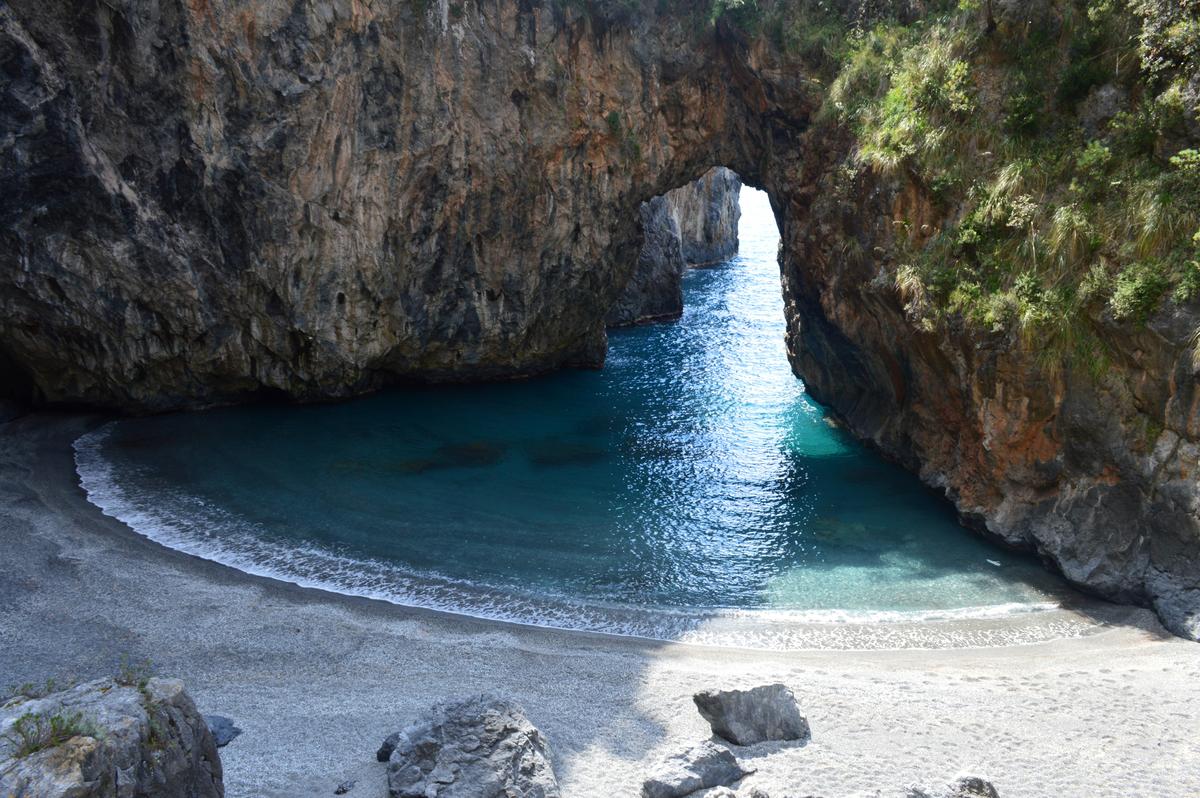
A small lagoon framed by a soaring natural rock arch — one of Calabria's most-photographed landscapes. Reach it by sea or a clifftop footpath.
Eight kilometres of coast punctuated by the Torre Talao rock. The Spiaggia dell'Ajnella offers natural rock pools as an alternative to the main beach clubs.
A shallow, fine-sand beach ideal for families. Home to the Museo del Cedro, celebrating the ancient citrus fruit and its deep link to Jewish ritual.
The 'City of Murals' — over 300 artworks cover the old town walls. The Isola di Cirella faces a golden beach.
Not eaten as fruit — this aromatic citron is transformed into candied panicielli, liqueurs, and pastry. Sacred to the Jewish tradition of Sukkot.
More than heat: a natural antioxidant essential to Calabrian preserves. Diamante's annual festival is the region's spiciest pilgrimage.
The Amarelli family has extracted pure glycyrrhiza since 1731 — used by chefs in risottos, game reductions, and the purest pastilles in the world.
Dottato figs, sun-dried on cane racks, then formed into crocette stuffed with walnuts and almonds.
Three cities layered in one site: archaic Sybaris (720 BC), Ippodamo's Thurii (444 BC), and Roman Copia.
A 6th-century illuminated Gospel on imperial purple parchment, written in gold and silver ink. UNESCO Memory of the World.
Founded in 1073 by Robert Guiscard, transformed over centuries with a frescoed helical staircase and a mirrored salon.
Riviera dei Tramonti
Calabria's crossroads — where the mountains meet the Tyrrhenian, the isthmus narrows, and the sunsets are legendary.
The Tyrrhenian shore at Calabria's narrowest point. Wide sandy beaches, less crowded than the Costa degli Dei to the south, with views to the Aeolian Islands on clear days.
The Lamezia plain is one of the Mediterranean's most fertile olive regions. The Carolea cultivar yields an extravergine with balanced bitterness.
In the hills between the two coasts, ancient chestnut forests still sustain communities. Slow Food works here to preserve local grain varieties.
Founded in 1215, the monument to Gioacchino da Fiore — the prophetic abbot Dante placed in Paradise.
The world's second Carthusian monastery, founded in 1091 by Bruno of Cologne. Rebuilt after the 1783 earthquake.
Costa degli Dei
White granite sands, Caribbean-clear water, and the village that launched a thousand postcards: Tropea.
The 'Pearl of the Tyrrhenian' perches on a tufa cliff above white sand and turquoise water. Below: the Santuario di Santa Maria dell'Isola.
Ranked among the world's most beautiful beaches. A granite promontory hiding secret coves reachable only by boat.
Over 200 steps down a cliff reveal this gem: fine white sand, transparent water, and a panorama stretching to Stromboli on clear days.
A historic fishing town where the Chiesetta di Piedigrotta was carved entirely into seaside tufa. Family-friendly bays with gentle shallows.
A wild cove reached by foot trail, beloved for its underwater visibility and the Scoglio del Leone.
So sweet it can be eaten raw or turned into jam. Grown in sandy coastal soil, hand-braided into trecce for natural curing.
The famous spreadable salame from Monte Poro. Pork fat and generous peperoncino, smoked with olive and oak wood, aged up to a year.
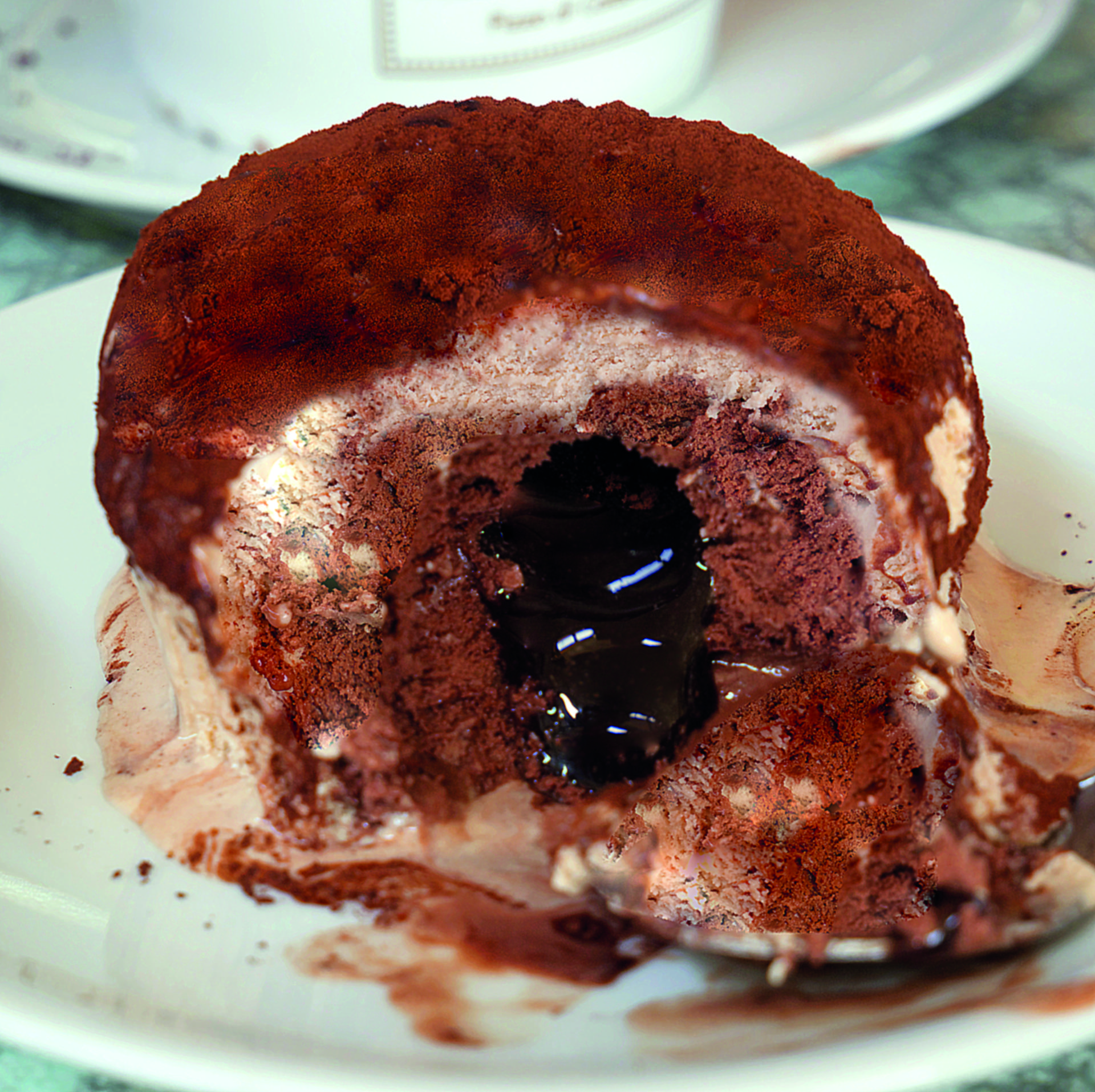
Europe's first certified artisan gelato: a hand-shaped sphere of hazelnut and chocolate ice cream hiding a molten dark chocolate core.
Sheep graze aromatic Mediterranean scrub on the high plateau above the coast. Aged versions develop dried fruit and spice notes.
Where Gioacchino Murat, King of Naples and Napoleon's brother-in-law, was captured and executed in 1815.
A chapel carved entirely out of the tufa cliff on the beach of Pizzo, filled with stone statues sculpted by local artisans over generations.
Costa Viola
Where the sea turns violet at sunset — exactly as Plato described it — and swordfish still run through the Strait of Messina.
Wedged between the Castello Ruffo and the cliff. Chianalea — the 'Venice of the South' — is a fishermen's hamlet built directly on the rocks.
An olive tree grows impossibly on a rock in the middle of the sea. Cala Janculla is a wild cove accessible mainly by boat.
Swordfish traditions and the ancient armacìe — dry-stone walls creating terraced vineyards of Zibibbo grapes cascading toward the sea.
Grows only on this narrow coastal strip. Its essential oil is the soul of haute perfumerie; its bittersweet juice is now a culinary star.
Scilla's signature: swordfish steaks braised with tomato, olives, capers, pine nuts, raisins, and Tropea onion.
Norwegian stockfish perfected in the mountains of Aspromonte. The mineral-rich spring water of Mammola rehydrates it to unmatched tenderness.
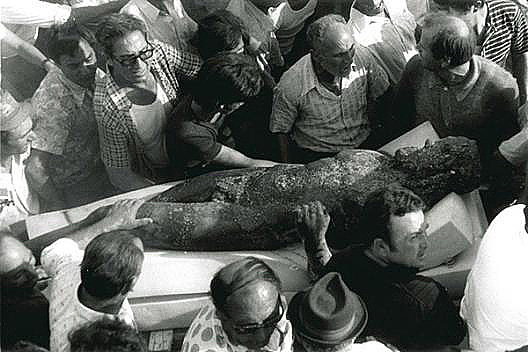
Two 5th-century BC Greek bronze warriors, perhaps the finest surviving examples of Classical sculpture.
A tiny Byzantine jewel: five cylindrical domes, brick walls, four recycled ancient columns, and frescoes spanning the 10th to 15th centuries.
Nik Spatari's visionary art park in an Aspromonte monastery. A 240 m² 3D ceiling fresco and a 1,400 m² mosaic cloister.
Costa degli Achei
Where the Ionian opens wide — vast golden sands, gentle shallows, and the ruins of the richest city in the ancient world.
White pebbles, crystal-clear Ionian water, and the spectacular Castrum Petrae Roseti — a Norman-Swabian castle perched on a sea rock.
Fine sand, vast beaches, and a marina complex. The Sibari archaeological park is steps away.
Seven kilometres of coast at Calabria's northern Ionian border. Famous for IGP lemons and a Swabian castle.
A 2025 Blue Flag newcomer. Combines Lido Sant'Angelo's beach with the Museo della Liquirizia Amarelli and the Codex Purpureus.
Since 1731, the Amarelli family has extracted the purest liquorice in the world from local roots.
A monumental loaf from the Pollino foothills, baked in wood-fired ovens with ancient grain and sourdough.
Three civilizations on one site: Sybaris (720 BC), Thurii (444 BC), and Roman Copia.
A 6th-century illuminated Greek Gospel on purple parchment. UNESCO Memory of the World.
Norman foundation (1073), centuries of noble transformation: frescoed helical staircase, mirrored salon.
Costa dei Saraceni
Aragonese fortresses floating on the sea, cinnamon-red sands, protected marine waters, and the oldest wine in Calabria.
An Aragonese fortress seems to float on the water, connected to shore by a sandy isthmus. Unique cinnamon-red sand from iron oxide.
15,000 hectares of protected sea: Posidonia meadows, coral formations, and madrepore banks.
Where dunes draped in ancient olives and wild macchia meet intense blue water. Home of Cirò DOC wine.
Sheep's milk cheese in three maturations: fresh, semi-hard, or aged with notes of hay, toasted hazelnut, and a spicy finish.
The 'caviar of the poor': newborn fish mixed with powdered red peperoncino and wild fennel, fermented into an umami-bomb paste.
Thick golden crust, intensely yellow crumb from durum wheat semola. The perfect vehicle for sardella.
From the ancient Gaglioppo grape — possibly the oldest continuously cultivated wine vine in Italy.
A lone Doric column stands at the cliff's edge — all that remains of the great Temple of Hera.
Angevin tower inside a 16th-century fortification built by Andrea Carafa against corsair raids.
Costa degli Aranci
The heart of the Ionian — seahorse bay, talcum-powder coves, and the street-food soul of Catanzaro.
White sand, deep water, and a resident colony of seahorses — the town's symbol and proof of pristine conditions.
Caminia: a strip of talcum-soft sand wedged between sheer cliffs. Copanello: turquoise waters with explorable sea caves.
A long, well-equipped Blue Flag beach backed by the hills of the Pre-Sila.
The regional capital's beach: wide, accessible, and backed by a promenade of services.
Catanzaro's soul food: a slow-braised offal stew in fiery tomato sauce with oregano and bay leaf, served inside a pitta.
From the fertile Lamezia plain. The Carolea olive gives balanced bitterness, with notes of apple, tomato, and artichoke.
A Greek city refounded as a Roman colony, set among ancient olive groves. Roman theatre, forum, and the Norman Abbey.
Taverna is the birthplace of the 'Cavaliere Calabrese,' one of the Baroque's great painters.
Costa dei Gelsomini
Jasmine-scented shores, turtle nesting grounds, and the deep Greek roots of Calabria's southern edge.
Multiple Blue and Green Flags. A broad, family-perfect beach overseen by the monumental Castello Carafa. Host of the Roccella Jazz festival.
Sandy shores broken by white calanchi and granite boulders. A priority nesting site for Caretta caretta sea turtles.
Italy's southernmost municipality. The air is thick with bergamot — groves surround the shore.
Long promenades lined with oleander, well-equipped lidi, and the authentic pace of the Locride.
Unsalted fresh cheese from sheep and goat milk, shaped in carved wooden moulds with sacred motifs.
The bergamot belt extends along this coast too. The juice is now a coveted ingredient for chefs.
A tropical fruit — cherimoya — grown for centuries along the Strait. Creamy, fragrant, and utterly unexpected.
One of Magna Graecia's most cultured poleis: the Sanctuary of Persephone, Doric temples, and continuous habitation from the 7th century BC.
Famous for the 'House of the Dragon' mosaic — a masterpiece of Hellenistic technique.
On a cliff above the Locride: 26 surviving churches, the Byzantine-Norman Basilica.
Where a Greek dialect is still spoken. Easter processions follow the ancient Persephoni rite.
Riviera dei Cedri
Named for the sacred Cedro Liscio Diamante, where the Pollino mountains plunge headlong into the Tyrrhenian.
Northern gateway to Calabria. Sandy beach along the Pineta and the Noce river mouth, with Bandiera Blu recognition for water quality and sustainable management.
A 100-metre rock island rising from the sea harbours extraordinary caves — the Grotta Azzurra and Grotta del Leone — accessible only by boat.
A small lagoon framed by a soaring natural rock arch — one of Calabria's most-photographed landscapes. Reach it by sea or a clifftop footpath.
Eight kilometres of coast punctuated by the Torre Talao rock. The Spiaggia dell'Ajnella offers natural rock pools as an alternative to the main beach clubs.
A shallow, fine-sand beach ideal for families. Home to the Museo del Cedro, celebrating the ancient citrus fruit and its deep link to Jewish ritual.
The 'City of Murals' — over 300 artworks cover the old town walls. The Isola di Cirella faces a golden beach.
Not eaten as fruit — this aromatic citron is transformed into candied panicielli, liqueurs, and pastry. Sacred to the Jewish tradition of Sukkot.
More than heat: a natural antioxidant essential to Calabrian preserves. Diamante's annual festival is the region's spiciest pilgrimage.
The Amarelli family has extracted pure glycyrrhiza since 1731 — used by chefs in risottos, game reductions, and the purest pastilles in the world.
Dottato figs, sun-dried on cane racks, then formed into crocette stuffed with walnuts and almonds.
Three cities layered in one site: archaic Sybaris (720 BC), Ippodamo's Thurii (444 BC), and Roman Copia.
A 6th-century illuminated Gospel on imperial purple parchment, written in gold and silver ink. UNESCO Memory of the World.
Founded in 1073 by Robert Guiscard, transformed over centuries with a frescoed helical staircase and a mirrored salon.
Riviera dei Tramonti
Calabria's crossroads — where the mountains meet the Tyrrhenian, the isthmus narrows, and the sunsets are legendary.
The Tyrrhenian shore at Calabria's narrowest point. Wide sandy beaches, less crowded than the Costa degli Dei to the south, with views to the Aeolian Islands on clear days.
The Lamezia plain is one of the Mediterranean's most fertile olive regions. The Carolea cultivar yields an extravergine with balanced bitterness.
In the hills between the two coasts, ancient chestnut forests still sustain communities. Slow Food works here to preserve local grain varieties.
Founded in 1215, the monument to Gioacchino da Fiore — the prophetic abbot Dante placed in Paradise.
The world's second Carthusian monastery, founded in 1091 by Bruno of Cologne. Rebuilt after the 1783 earthquake.
Costa degli Dei
White granite sands, Caribbean-clear water, and the village that launched a thousand postcards: Tropea.
The 'Pearl of the Tyrrhenian' perches on a tufa cliff above white sand and turquoise water. Below: the Santuario di Santa Maria dell'Isola.
Ranked among the world's most beautiful beaches. A granite promontory hiding secret coves reachable only by boat.
Over 200 steps down a cliff reveal this gem: fine white sand, transparent water, and a panorama stretching to Stromboli on clear days.
A historic fishing town where the Chiesetta di Piedigrotta was carved entirely into seaside tufa. Family-friendly bays with gentle shallows.
A wild cove reached by foot trail, beloved for its underwater visibility and the Scoglio del Leone.
So sweet it can be eaten raw or turned into jam. Grown in sandy coastal soil, hand-braided into trecce for natural curing.
The famous spreadable salame from Monte Poro. Pork fat and generous peperoncino, smoked with olive and oak wood, aged up to a year.
Europe's first certified artisan gelato: a hand-shaped sphere of hazelnut and chocolate ice cream hiding a molten dark chocolate core.
Sheep graze aromatic Mediterranean scrub on the high plateau above the coast. Aged versions develop dried fruit and spice notes.
Where Gioacchino Murat, King of Naples and Napoleon's brother-in-law, was captured and executed in 1815.
A chapel carved entirely out of the tufa cliff on the beach of Pizzo, filled with stone statues sculpted by local artisans over generations.
Costa Viola
Where the sea turns violet at sunset — exactly as Plato described it — and swordfish still run through the Strait of Messina.
Wedged between the Castello Ruffo and the cliff. Chianalea — the 'Venice of the South' — is a fishermen's hamlet built directly on the rocks.
An olive tree grows impossibly on a rock in the middle of the sea. Cala Janculla is a wild cove accessible mainly by boat.
Swordfish traditions and the ancient armacìe — dry-stone walls creating terraced vineyards of Zibibbo grapes cascading toward the sea.
Grows only on this narrow coastal strip. Its essential oil is the soul of haute perfumerie; its bittersweet juice is now a culinary star.
Scilla's signature: swordfish steaks braised with tomato, olives, capers, pine nuts, raisins, and Tropea onion.
Norwegian stockfish perfected in the mountains of Aspromonte. The mineral-rich spring water of Mammola rehydrates it to unmatched tenderness.
Two 5th-century BC Greek bronze warriors, perhaps the finest surviving examples of Classical sculpture.
A tiny Byzantine jewel: five cylindrical domes, brick walls, four recycled ancient columns, and frescoes spanning the 10th to 15th centuries.
Nik Spatari's visionary art park in an Aspromonte monastery. A 240 m² 3D ceiling fresco and a 1,400 m² mosaic cloister.
Costa degli Achei
Where the Ionian opens wide — vast golden sands, gentle shallows, and the ruins of the richest city in the ancient world.
White pebbles, crystal-clear Ionian water, and the spectacular Castrum Petrae Roseti — a Norman-Swabian castle perched on a sea rock.
Fine sand, vast beaches, and a marina complex. The Sibari archaeological park is steps away.
Seven kilometres of coast at Calabria's northern Ionian border. Famous for IGP lemons and a Swabian castle.
A 2025 Blue Flag newcomer. Combines Lido Sant'Angelo's beach with the Museo della Liquirizia Amarelli and the Codex Purpureus.
Since 1731, the Amarelli family has extracted the purest liquorice in the world from local roots.
A monumental loaf from the Pollino foothills, baked in wood-fired ovens with ancient grain and sourdough.
Three civilizations on one site: Sybaris (720 BC), Thurii (444 BC), and Roman Copia.
A 6th-century illuminated Greek Gospel on purple parchment. UNESCO Memory of the World.
Norman foundation (1073), centuries of noble transformation: frescoed helical staircase, mirrored salon.
Costa dei Saraceni
Aragonese fortresses floating on the sea, cinnamon-red sands, protected marine waters, and the oldest wine in Calabria.
An Aragonese fortress seems to float on the water, connected to shore by a sandy isthmus. Unique cinnamon-red sand from iron oxide.
15,000 hectares of protected sea: Posidonia meadows, coral formations, and madrepore banks.
Where dunes draped in ancient olives and wild macchia meet intense blue water. Home of Cirò DOC wine.
Sheep's milk cheese in three maturations: fresh, semi-hard, or aged with notes of hay, toasted hazelnut, and a spicy finish.
The 'caviar of the poor': newborn fish mixed with powdered red peperoncino and wild fennel, fermented into an umami-bomb paste.
Thick golden crust, intensely yellow crumb from durum wheat semola. The perfect vehicle for sardella.
From the ancient Gaglioppo grape — possibly the oldest continuously cultivated wine vine in Italy.
A lone Doric column stands at the cliff's edge — all that remains of the great Temple of Hera.
Angevin tower inside a 16th-century fortification built by Andrea Carafa against corsair raids.
Costa degli Aranci
The heart of the Ionian — seahorse bay, talcum-powder coves, and the street-food soul of Catanzaro.
White sand, deep water, and a resident colony of seahorses — the town's symbol and proof of pristine conditions.
Caminia: a strip of talcum-soft sand wedged between sheer cliffs. Copanello: turquoise waters with explorable sea caves.
A long, well-equipped Blue Flag beach backed by the hills of the Pre-Sila.
The regional capital's beach: wide, accessible, and backed by a promenade of services.
Catanzaro's soul food: a slow-braised offal stew in fiery tomato sauce with oregano and bay leaf, served inside a pitta.
From the fertile Lamezia plain. The Carolea olive gives balanced bitterness, with notes of apple, tomato, and artichoke.
A Greek city refounded as a Roman colony, set among ancient olive groves. Roman theatre, forum, and the Norman Abbey.
Taverna is the birthplace of the 'Cavaliere Calabrese,' one of the Baroque's great painters.
Costa dei Gelsomini
Jasmine-scented shores, turtle nesting grounds, and the deep Greek roots of Calabria's southern edge.
Multiple Blue and Green Flags. A broad, family-perfect beach overseen by the monumental Castello Carafa. Host of the Roccella Jazz festival.
Sandy shores broken by white calanchi and granite boulders. A priority nesting site for Caretta caretta sea turtles.
Italy's southernmost municipality. The air is thick with bergamot — groves surround the shore.
Long promenades lined with oleander, well-equipped lidi, and the authentic pace of the Locride.
Unsalted fresh cheese from sheep and goat milk, shaped in carved wooden moulds with sacred motifs.
The bergamot belt extends along this coast too. The juice is now a coveted ingredient for chefs.
A tropical fruit — cherimoya — grown for centuries along the Strait. Creamy, fragrant, and utterly unexpected.
One of Magna Graecia's most cultured poleis: the Sanctuary of Persephone, Doric temples, and continuous habitation from the 7th century BC.
Famous for the 'House of the Dragon' mosaic — a masterpiece of Hellenistic technique.
On a cliff above the Locride: 26 surviving churches, the Byzantine-Norman Basilica.
Where a Greek dialect is still spoken. Easter processions follow the ancient Persephoni rite.
All the summer you want
Compare Calabria's beach coasts by water character, access style, and the kind of stay each one suits best.
Calabrian cuisine is a conversation between two seas. From the Tyrrhenian, the catch of the day — swordfish, tuna, sea urchin, clams. From the Ionian, the agricultural richness: citrus, olives, bergamot, wheat. And everywhere: the peperoncino, a red chilli so central it defines the regional table.
The dessert tourists actually travel for on the Costa degli Dei.
Calabria is a palimpsest — Greek temples under Roman forums, Byzantine mosaics inside Norman walls, baroque masterpieces in mountain villages. The Bronzi di Riace, two of the finest surviving Greek bronzes, watch over Reggio Calabria. In the hills, the Certosa di Serra San Bruno and the Abbazia Florense carry a thousand years of contemplative silence.
The museum image that places the Costa Viola firmly among Calabria's great sea-and-art districts.
Go beyond the overview
The homepage is the overview. Each topic page is the deeper reference: still organised by coast, but built to answer what you can actually do from each part of Calabria.
Reference guide
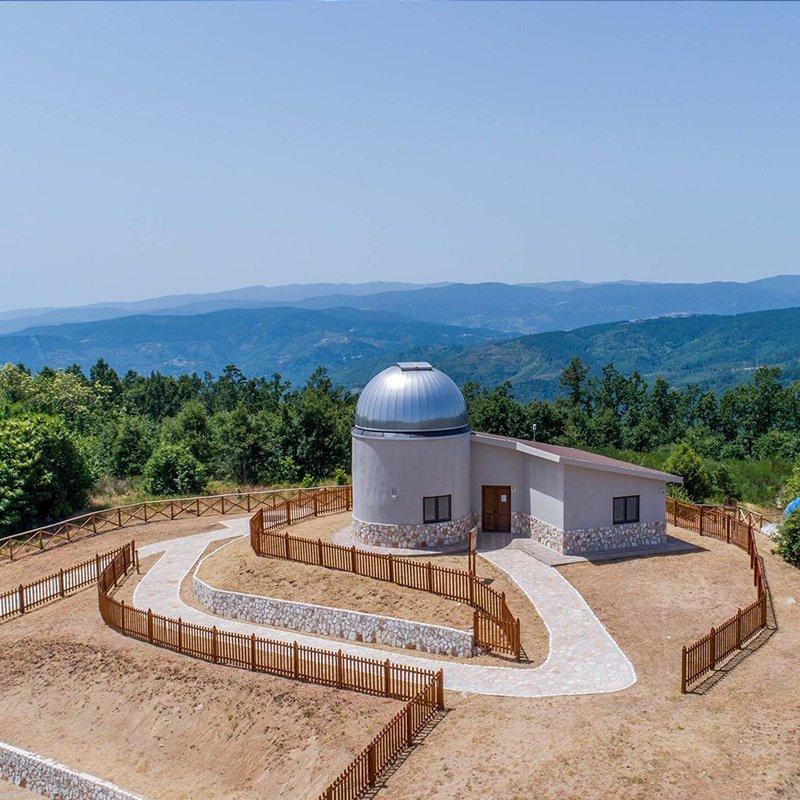
Calabrian entertainment is almost never about nightlife alone. Depending on the coast, it can mean river rafting, kitesurf culture, thermal springs, astronomy parks, rupestrian settlements, waterparks, or village festivals where the crowd is entirely local.
Open the guide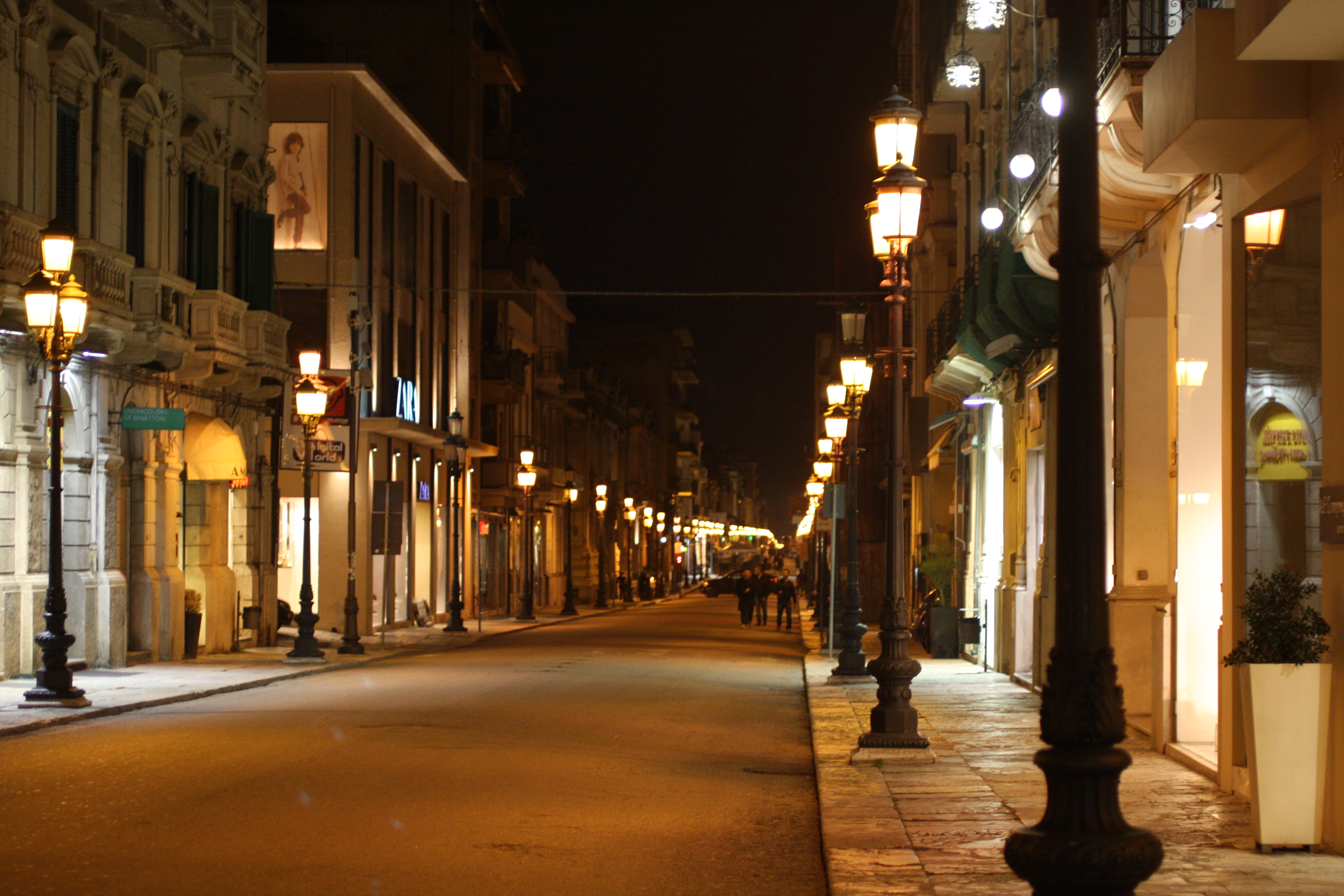
Reference guide
Choose the coast that best fits artisan stops, food-product buying, city shopping streets, or practical longer-stay errands.
Open the guide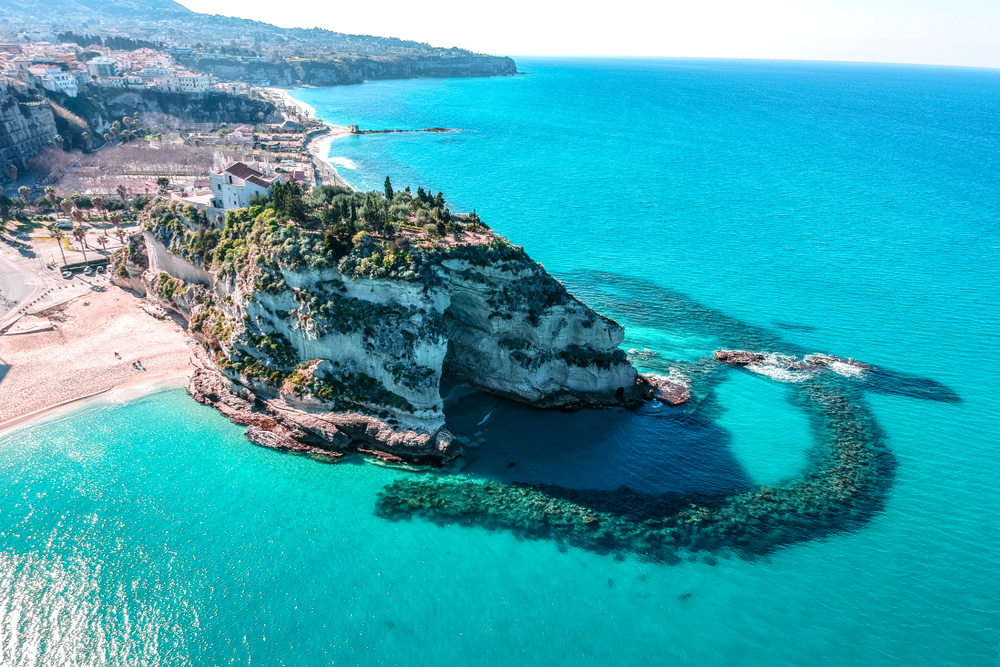
Reference guide
Understand which coast gives you the right beach mechanics, weather flexibility, inland reach, and overall trip pace.
Open the guideChoose the kind of summer you want and Calabria starts reading differently: gentler family beaches, more dramatic scenery, deeper food territory, easier value, or a first Southern Italy stay that can do a bit of everything.
With small kids
For travellers who want beach days that stay simple, spacious, and easy to enjoy after sunset too.
Yes, especially if you want warm sea, long beach days, and towns that still feel local rather than overbuilt. The Ionian side usually gives families the easiest pace, while selected Tyrrhenian pockets add postcard scenery without giving up practical days by the water.
Best next reads Beach guide· Travel planning
Costa degli Aranci and Costa dei Gelsomini are strong starting points because they combine long beaches, useful services, and an easier everyday pace. On the Tyrrhenian side, parts of Riviera dei Cedri and Pizzo also work well when you want gentler water with a more scenic frame.
Best next reads Costa degli Aranci· Costa dei Gelsomini· Riviera dei Cedri
The Ionian coast is usually the easiest answer when sand, space, and straightforward bathing matter most. Soverato, Sellia Marina, Roccella Jonica, and stretches around Sibari fit that profile well, while the Tyrrhenian is often better when you want coves and dramatic scenery more than long, open shorelines.
Best next reads Soverato and the Ionian· Sibari area beaches
Look for towns where the beach, passeggiata, and dinner scene sit close enough to feel like one evening rather than three separate journeys. Soverato, Roccella Jonica, Pizzo, and parts of Riviera dei Cedri suit travellers who want simple evenings after the sea, especially with children.
Best next reads Evening ideas· Where to stay
For scenic escapes
For couples and visual travellers who want Calabria at its most cinematic and least ordinary.
For dramatic first impressions, the Tyrrhenian side dominates: Tropea, Capo Vaticano, Scilla, Arcomagno, and Michelino are the landscapes that make Calabria look almost implausible. If you want beauty with softer geography, the Ionian gives broader luminous beaches framed by ruins, promontories, and quieter horizons.
Best next reads Costa degli Dei· Costa Viola· Riviera dei Cedri
The Tyrrhenian is the natural choice if sunsets, cliffs, sea caves, and perched towns matter most. That is where Calabria feels most vertical and theatrical, especially along Costa degli Dei and Costa Viola. The Ionian rewards you differently, with open light, archaeology, and long sandy perspective.
Best next reads Tyrrhenian icons· History by the sea
Couples usually gravitate toward Costa degli Dei for iconic scenery and toward Costa Viola for atmosphere at the edge of the Strait. Tropea gives you classic beauty; Scilla gives you a more intimate, storybook mood. Choose the Ionian when your idea of romance is quieter space and longer shorelines.
Best next reads Tropea and Capo Vaticano· Scilla and Costa Viola
Late June and September are often the sweet spot for couples and slower travellers: the sea is inviting, the light is generous, and the region feels more breathable than in peak August. Calabria especially rewards shoulder-season trips because its scenery stays strong even when the beaches are less busy.
Best next reads When to go· Summer atmosphere
For food-led trips
For travellers who choose a coast partly by what reaches the plate after the beach.
Calabria is one of Italy's most rewarding seaside regions for travellers who care about food as much as the beach. The trip is never just about fish: bergamot, Tropea onion, liquorice, cedro, 'nduja, pecorino, and Cirò wine all belong to precise territories you can actually trace while travelling coast by coast.
Best next reads Food guide· What to bring home
Costa Viola is essential for swordfish traditions, Costa degli Dei for 'nduja, Tropea onion, and Tartufo di Pizzo, while Costa dei Saraceni brings Cirò wine and deeply rooted inland pairings. If you want the broadest flavour map, move coast by coast rather than choosing only one culinary stop.
Best next reads Costa Viola flavours· Costa degli Dei flavours· Cirò and the Saraceni coast
One of Calabria's strengths is that the beach and the table are rarely separated by resort logic. You can swim in the morning and still reach historic centres, markets, pastry bars, or wine territory without long transfers. Costa degli Dei, Costa Viola, and Riviera dei Cedri are especially good for that kind of day.
Best next reads Coast-by-coast food· Getting around
Riviera dei Cedri, Costa Viola, and parts of Costa dei Gelsomini fit travellers who prefer lingering over moving fast. They pair local character with smaller towns, recognisable products, and a more grounded pace. Calabria is best for food-led travel when each coast gets to reveal its own table, not only its shoreline.
Best next reads Cedri and Diamante· Costa dei Gelsomini· Villages and culture
For culture and festivals
For travellers who want the day to move naturally from the beach into history, art, and summer evenings in town.
Calabria is unusually good here because archaeological parks, Norman castles, Byzantine traces, and working towns often sit close to the sea. The Ionian side is the most direct match for travellers who want beach time plus deep history, especially along the Costa degli Achei, Costa dei Saraceni, and Costa dei Gelsomini.
Best next reads Costa degli Achei· Costa dei Saraceni· Costa dei Gelsomini
If you want the richest historical layering, start on the Ionian: Sibaritide, Scolacium, Locri, and Kaulon all sit within a coastline that also gives you long beach days. For village atmosphere and visual drama, add Costa Viola and Riviera dei Cedri to the equation.
Best next reads History and art guide· Costa Viola
Yes, and that is one of Calabria's most underrated strengths. Many summer evenings shift naturally from the shore to a piazza, a waterfront promenade, or a town event rather than ending inside a resort bubble. The entertainment and culture routes matter here almost as much as the beaches themselves.
Best next reads Festivals and nightlife· Historic places
The Ionian is usually the better first answer because it combines open beaches with Magna Graecia sites, medieval towns, and a stronger sense of historical continuity. Travellers who want a more theatrical coastal backdrop can then look at Scilla, Pizzo, Diamante, or Tropea on the Tyrrhenian side.
Best next reads Culture guide· Compare the coasts
For active sea days
For travellers who do not want the coast to mean staying still for a whole week.
Calabria is excellent for active travellers because the coastline changes character quickly from one side to the other. The Tyrrhenian brings cliffs, coves, and snorkelling-friendly water; the Ionian offers longer beaches and useful wind exposure in the right areas. It is a region for mixing sea sports with inland escapes.
Best next reads Sea conditions by coast· Plan moving around
Riviera dei Tramonti is a good choice for wind-based sports and cross-region movement, Costa degli Dei suits swimmers and snorkellers chasing clear water, and Costa Viola adds sea-and-mountain contrast. On the Ionian side, Costa dei Saraceni and Costa degli Aranci are useful when you want longer, more open beach stretches.
Best next reads Riviera dei Tramonti· Costa degli Dei· Costa dei Saraceni
Calabria becomes especially interesting when the coast is your starting point rather than the entire trip. From the Tyrrhenian you can pair beaches with Pollino or Aspromonte landscapes, while the Ionian adds protected marine areas, dunes, and archaeological nature settings. That variety is one of the region's quieter advantages.
Best next reads Trip planning· Protected sites and landscapes
Late spring, June, and September usually offer the best balance for travellers who want movement as well as sea time. Temperatures are kinder, the roads feel lighter, and the day can stretch from a morning swim to inland walks or cultural stops without the intensity that peak August often brings.
Best next reads When to travel· Seasonal atmosphere
For fun and summer energy
For travellers who want movement after sunset, but still prefer places with local life over anonymous resort strips.
Calabria is not a mega-resort nightlife destination, which is exactly why many travellers prefer it. For livelier summer evenings, look for towns where the promenade, beach clubs, passeggiata, and dinner scene all stay active after sunset. Tropea, Soverato, Roccella, and parts of Pizzo are the natural starting points.
Best next reads Entertainment guide· Beach towns by coast
Costa degli Dei remains the headline coast for classic summer energy because it concentrates famous beaches and a livelier visitor scene. Costa degli Aranci and Costa dei Gelsomini also work well if you want a more lived-in local atmosphere rather than a single postcard hub carrying all the pressure.
Best next reads Summer nights· Costa degli Dei
Yes, if what you want is lively evenings without the scale or prices of Italy's most overexposed resort circuits. Calabria tends to offer movement rather than overload: beach clubs, festivals, waterfront walks, late dinners, and summer events, usually with more breathing room than the better-known hotspots.
Best next reads Nightlife and events· Choose where to stay
Look for places where you can move on foot between lido, centre, and evening life. Tropea and Soverato are good examples, while Roccella and Pizzo suit travellers who want a more relaxed social pace. Calabria rewards towns that still feel human-sized rather than built only for nightlife.
Best next reads Walkable evening towns· Stay planning
For better value
For travellers comparing Italy summer destinations and trying not to overpay for the obvious names.
Calabria is often one of the best answers for travellers who want beautiful sea in Italy without automatically paying premium-destination prices. Costs still vary by coast and by August pressure, but the region generally gives you more room, more authenticity, and a longer list of viable places to stay than inflated summer markets.
Best next reads Budget-minded planning· Compare coasts
This is exactly where Calabria becomes competitive against more saturated Italian beach regions. Instead of relying on a single famous resort strip, it offers multiple coasts with different price patterns, making it easier to trade prestige for value without giving up good water, historic towns, or serious food.
Best next reads Trip logistics· Food value by coast
Value travellers should usually look beyond the tightest Tropea orbit and compare options coast by coast. Parts of the Ionian side, Riviera dei Cedri, and several medium-size seaside towns often deliver a better balance of cost, space, and practicality, especially for longer stays or family trips.
Best next reads Where to stay· Riviera dei Cedri· Ionian options
It suits them best when the goal is not the cheapest possible beach, but seriously good Italy at a still reasonable cost. Calabria combines clear water, real food culture, deep history, and towns with local life, so the value proposition is broader than accommodation alone.
Best next reads Plan a first trip· Food and local products· Culture by the sea
For first-time planners
For travellers who know they want Calabria, but still need the region to make sense quickly.
Start by deciding what matters more: dramatic scenery or easier breadth. First-time travellers often choose Costa degli Dei for instant visual impact, or one of the Ionian coasts for longer sandy beaches and simpler family logistics. Calabria is easier to enjoy when you choose one stay style before anything else.
Best next reads First-trip planning· Compare the coasts
Choose the Tyrrhenian if you want cliffs, coves, famous viewpoints, and sunset drama. Choose the Ionian if you want long sands, archaeological depth, easier family beaches, and a calmer visual pace. Calabria's strength is not that one side defeats the other, but that the region gives you both within one destination.
Best next reads See both coasts· Ionian history
Yes, especially if you are clear about your priorities before booking. The site is organised coast by coast precisely because Calabria rewards the right place to stay more than frantic region-hopping. Once the town or coast fits your style, you can combine beaches, food, villages, and day trips without overcomplicating the holiday.
Best next reads Build your stay· Choose a coast
Calabria makes a strong case when you want more than one postcard strength at once: beautiful sea, real regional food, historic depth, beach towns that still feel inhabited, and a broader range of prices than Italy's most crowded summer names. Few places let coast, culture, and value reinforce one another this naturally.
Best next reads Sea and coast guide· Food by territory· Historic Calabria
Mediterranean Winds
Calabria is a narrow peninsula — at its waist near Catanzaro, the two seas are barely 30 km apart. Ancient mariners named these winds: the Maestrale sweeping from the northwest, the Scirocco rising warm from Africa, the Tramontana descending cold from the mountains. Each carries a different character across the water.
The narrowest point of Calabria, near Catanzaro-Lamezia, places the two seas just 30 km apart — a geography that has shaped the region's culture, cuisine and character for millennia.