Entertainment in Calabria — beyond the beach, coast by coast
Every coast here rewires the word entertainment into something specific: canyon days in the north, wind sessions on the gulf, promenade evenings on Costa degli Dei, dark-sky astronomy on the Crotonese, or slow ritual life on the Ionian south.
How to read it
Do not confuse entertainment with nightlife only
In Calabria the best non-beach day may be rafting a canyon, soaking in a sulphur spring, walking a rupestrian settlement, watching a village ritual, or climbing a tree-top course rather than finding a club.
How to read it
The inland hour matters
A great deal of Calabria’s best entertainment sits within an hour of the coast. Where you stay often matters more than the single attraction, because a 30-minute drive inland can change the entire mood of the day.
The Riviera dei Cedri is one of Calabria’s best entertainment coasts for travellers who want to mix beach days with outdoor adventure and easier inland excursions. The Lao river corridor, Terme Luigiane, and the Pollino edge give the district real depth without forcing difficult logistics.
Quick stops
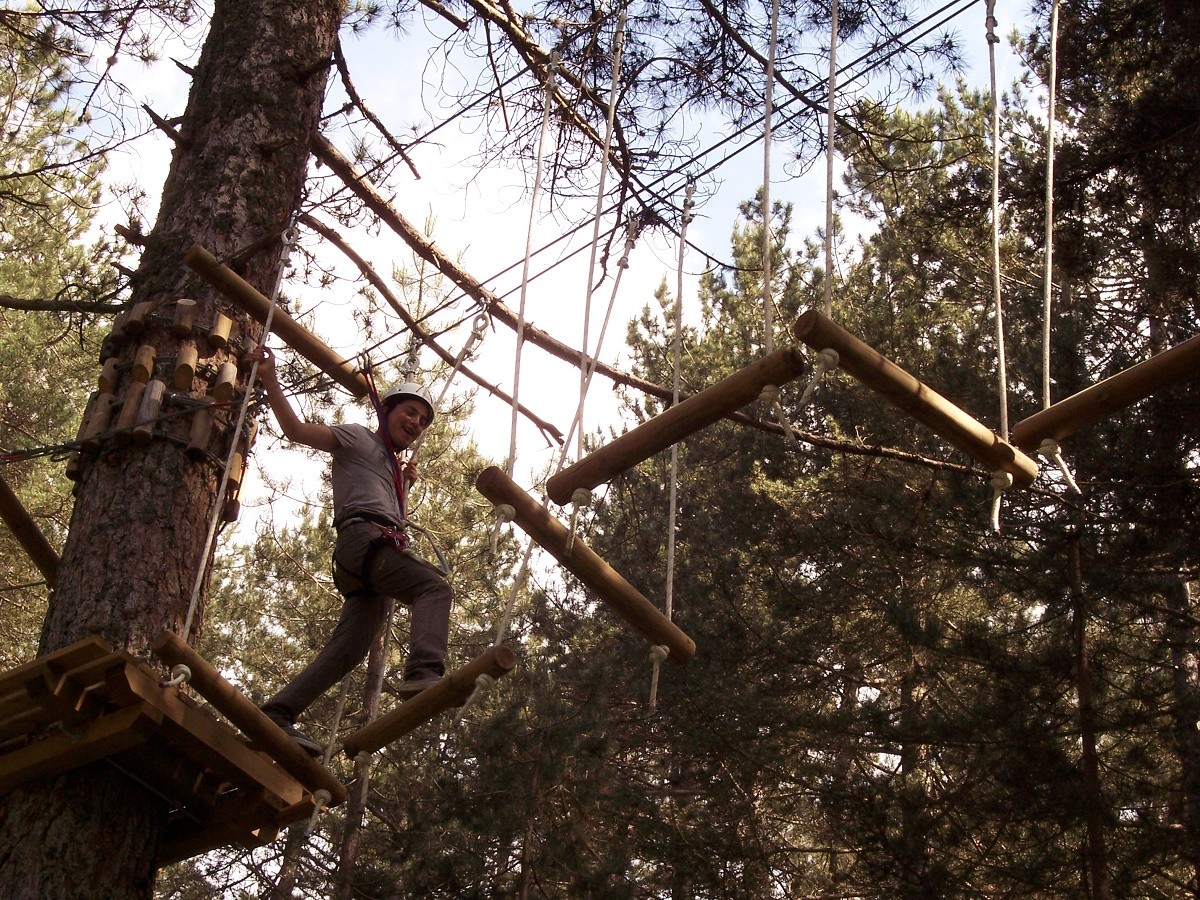
Parco Avventura Lao
Zip lines, tree-top courses, family routes. An easy add-on before or after a rafting morning.
Quick stops
Papasidero canyon scenery
Worth the drive even without rafting: the gorge views and village are strong on their own.
Quick stops
Village evenings over club nights
The coast is better for outdoor and scenic activity than for late-night scenes. Evening life is best in hill towns or on the seafront.
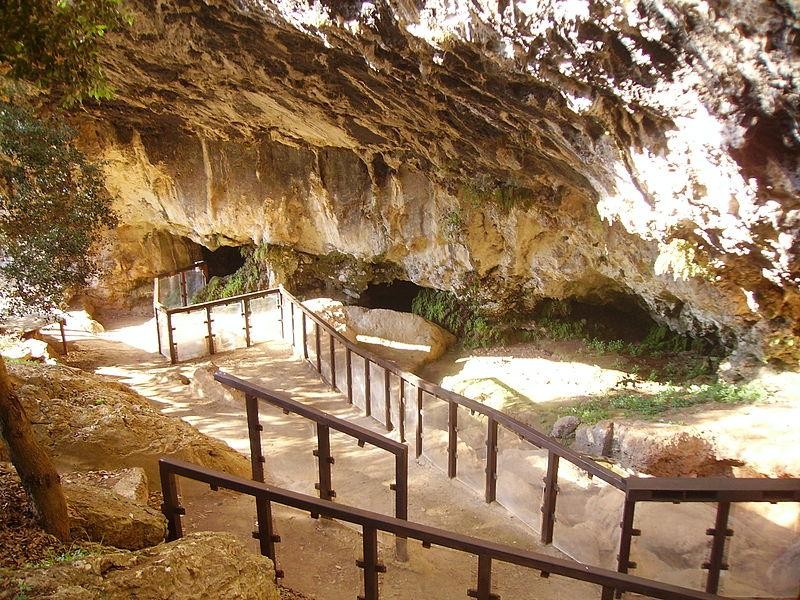
When the trip needs depth rather than pure adrenaline, the inland Lao side pivots neatly from outdoor sport into archaeology. Grotta del Romito is one of southern Italy’s most important prehistoric sites, and combining it with the canyon scenery around Papasidero turns a single non-beach day into something that satisfies history readers and adventurers at once.
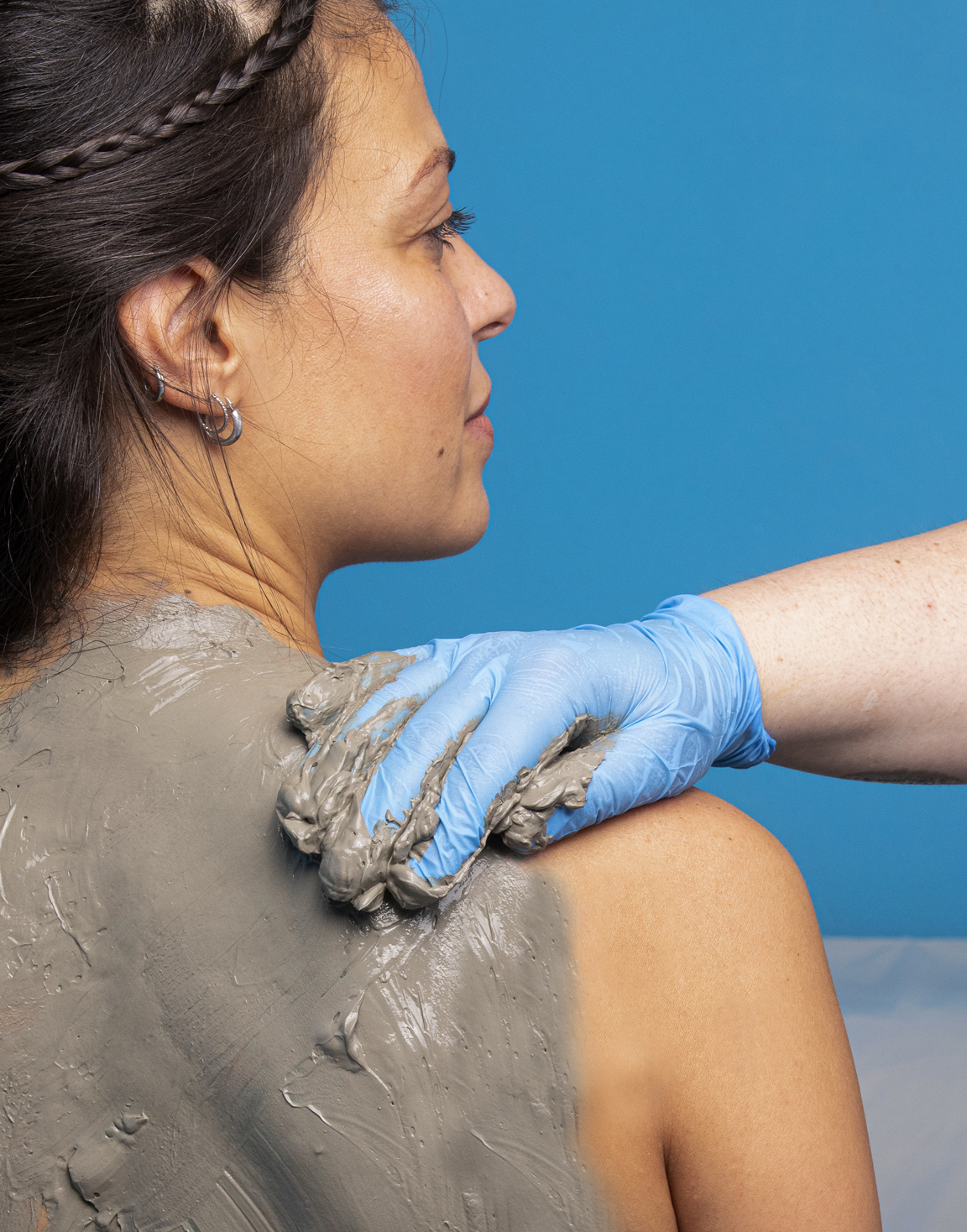
The Acquappesa and Guardia Piemontese side gives the district a real wellness card. Terme Luigiane can turn a rough-sea day into a proper thermal stop rather than dead time, and it matters especially for mixed-age trips where not every non-beach day should be strenuous.
Start here
Lao river rafting and canyon days
The Lao corridor is not a single attraction: it is a full activity valley, from calm family floats near Laino Borgo to harder canyon descents closer to Papasidero. Parco Avventura Lao adds tree-top courses and zip lines for the hours before or after the water, making the valley easy to fill for mixed-age groups without it feeling improvised.
Worth knowing
Pollino edge and cooler-air villages
Even without hard adventure, the inland north gives you cooler air, village contrast, and route variety. Aieta is useful when the beach needs a historical counterpoint, Oriolo adds a hilltop castle mood, and the Buonvicino-side gorge routes provide a rougher outdoor edge if you want one more active half-day.
Tyrrhenian · Gulf of Sant’Eufemia
Riviera dei Tramonti
This district is best for kitesurf culture, sunset evenings that face the Aeolian Islands, easy spa stops, and travellers who want a flexible central coast rather than one entertainment capital. It entertains through contrast, not density.
Quick stops
Sunset as built-in entertainment
The Aeolian-facing light is one of the district’s great free pleasures. Late-day sessions matter here.
Quick stops
Best for flexible daily planning
Choose this coast if you want to decide each morning between sea, sport, spa, inland, or cross-peninsula moves.
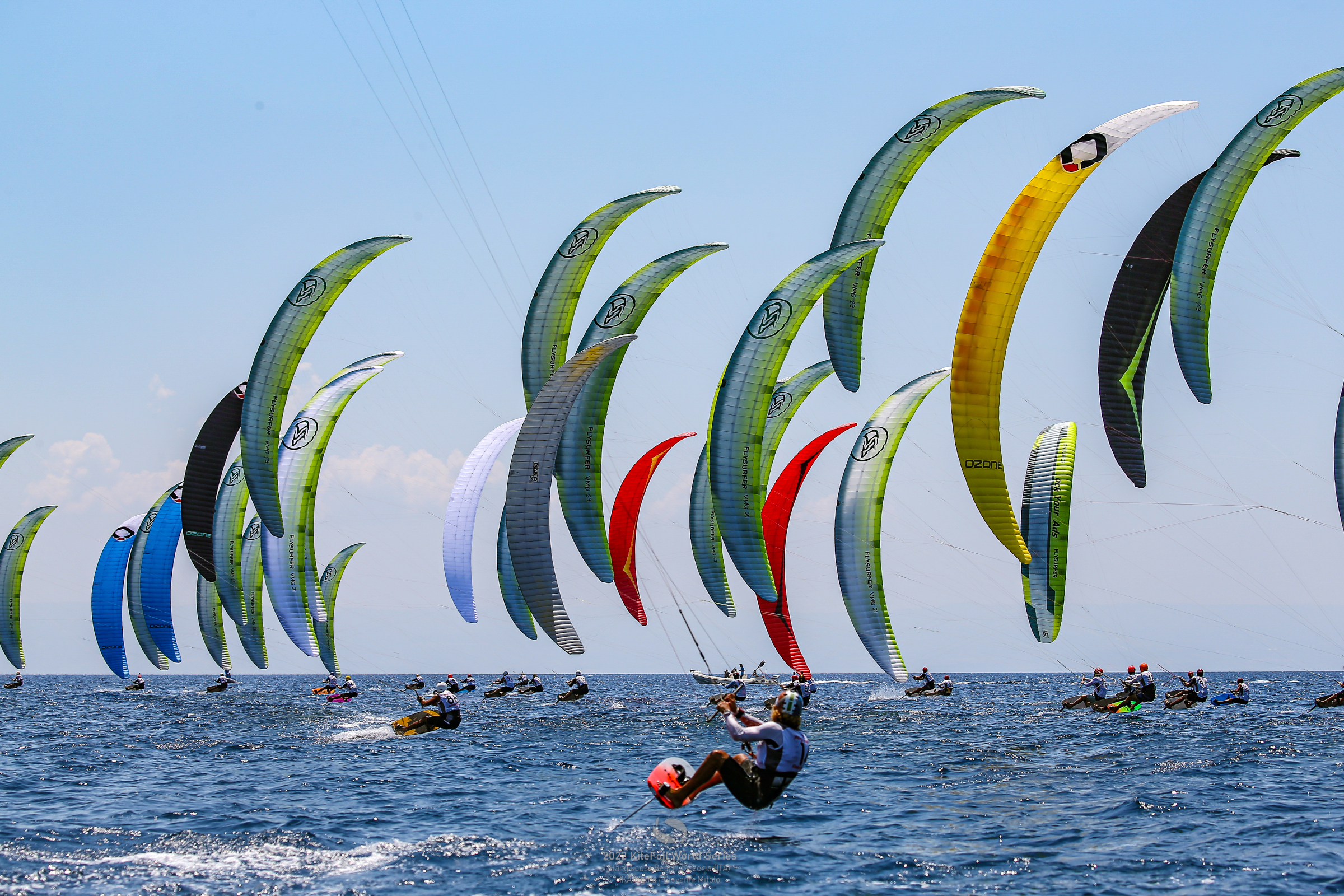
If wind itself is part of the fun, this is the coast to choose. Gizzeria’s beach has a clear sport culture — kite schools, equipment hire, a visible community — that makes an active beach day feel purpose-built rather than improvised. It is the closest thing Calabria has to a single-sport destination coast.
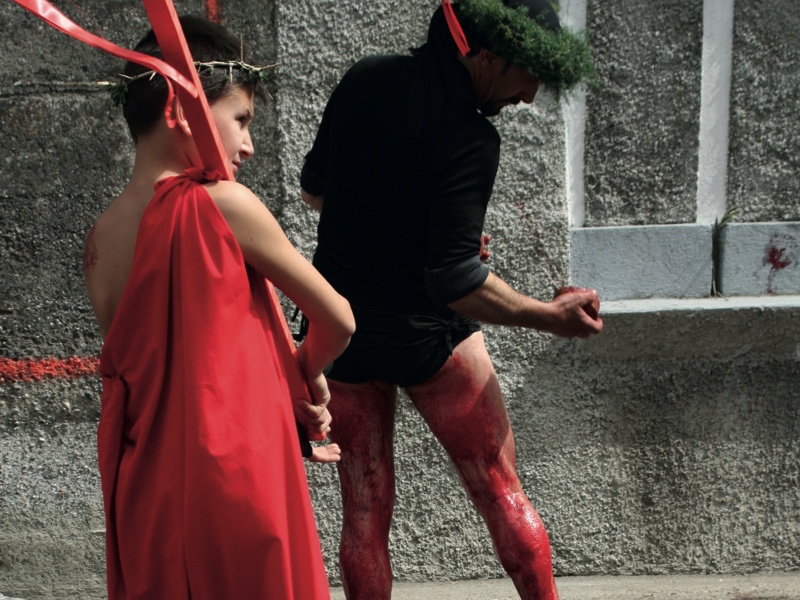
If you travel in spring and care about anthropology, the area opens onto one of Calabria’s most intense ritual events. The Vattienti of Nocera Terinese are not casual entertainment — penitents draw their own blood in a centuries-old Easter procession — but they give the district a cultural edge that no beach club can approach.
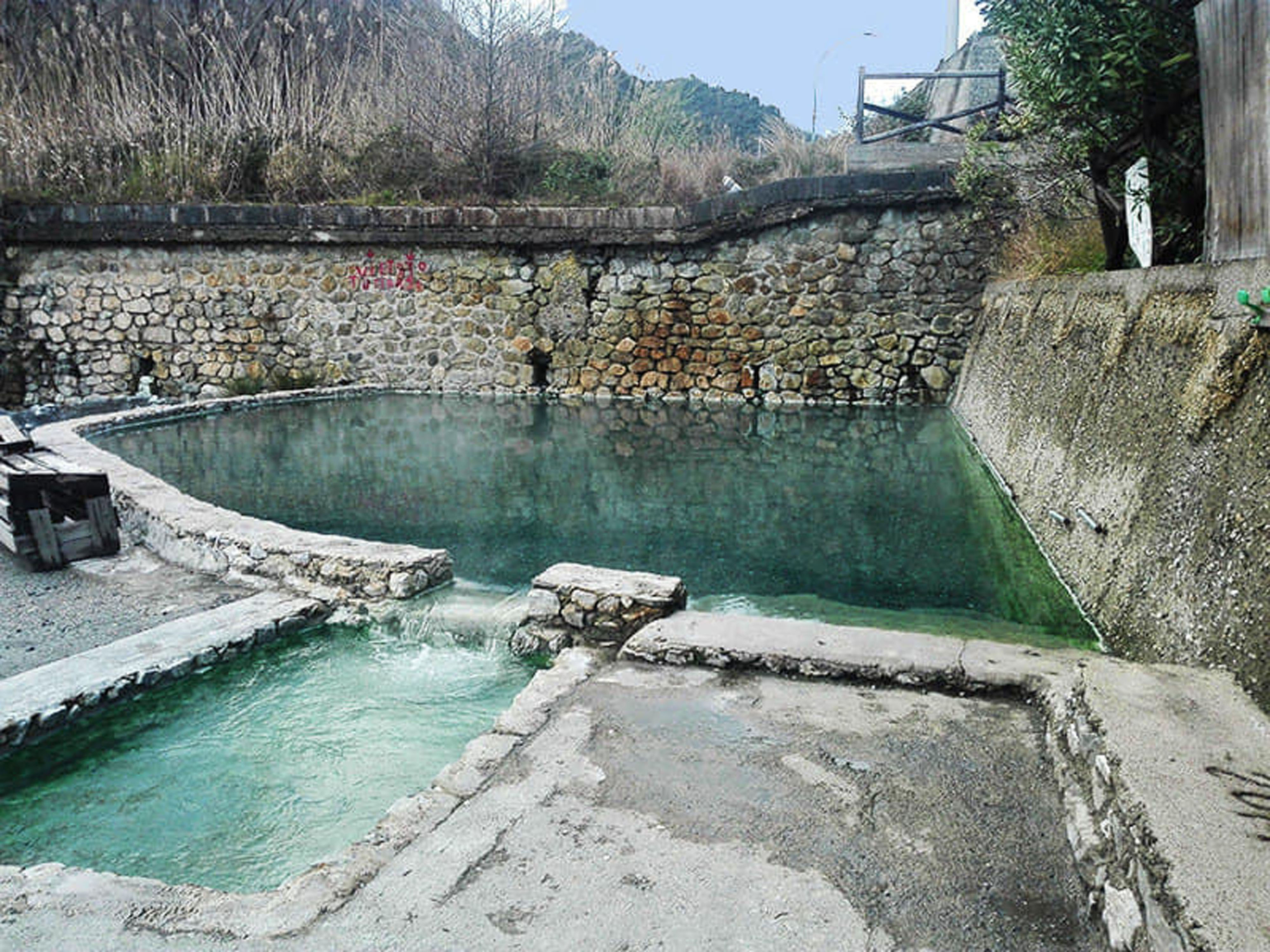
The Lamezia side does not only offer movement. The wild sulphur spring at Gurna di Caronte and the nearby Caronte thermal facilities add a wellness option that is especially useful on shorter stays or uncertain-weather weeks.
Worth knowing
Reventino, Cleto, and inland hill-country breaks
Once you move inland, the gulf becomes a hinge for forest, hill-town, and cooler-air escapes. Reventino-side paths work for light mountain walking, while Cleto’s medieval ruins offer a quick scenic stop. Together they make the coast broader than its first impression.
Tyrrhenian · Vibo Valentia
Costa degli Dei
The Costa degli Dei is one of Calabria’s easiest entertainment districts because promenade life, beach clubs, village festivals, and scenic inland trips all sit close together. It is the district where the trip feels active and rewarding without much planning effort.
Quick stops
Beach day plus town evening
The high-return combination: swim by day, promenade by evening, and fold in one inland or festival move every few days.
Quick stops
Parghelia and Capo Vaticano sunsets
A quieter evening option when Tropea feels crowded. The cape-side light is exceptional.
Quick stops
Low-friction activity coast
Unlike districts that rely on one flagship attraction, this one stacks beach, town, and festivals naturally.
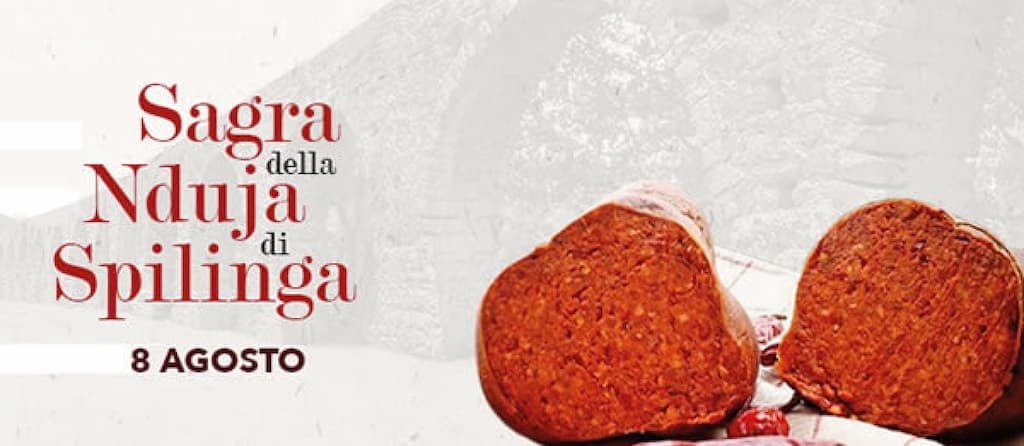
The coast is far stronger on events than most visitors realise. I Tri da Cruci gives Tropea a major spring ritual moment, while the August calendar turns the stretch from Spilinga to Ricadi into one of the easiest places in Calabria to build a trip around sagre and evening crowds. Names to know: Sagra della 'nduja, Sagra del Pesce Azzurro, Sagra da Sujaca, and the Tropea onion celebrations around Ricadi.
Worth knowing
Zungri rupestrian settlement and Monte Poro side trips
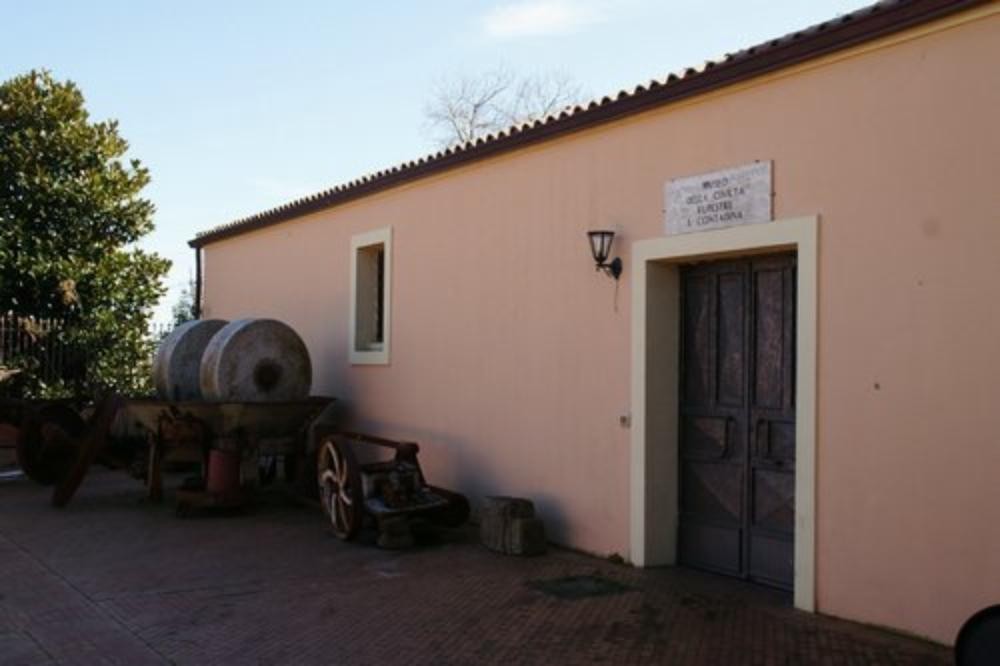
When the beach needs a break, the inland villages give the district a second life without requiring a logistics day. Zungri’s rupestrian settlement is the best year-round stop — a carved-rock village complex with its own museum — while Monterosso and the Monte Poro side broaden the day into craft, cheese, and quieter village territory.
Start here
Tropea, Pizzo, and evening walkable life
The coast does evening life well because the towns themselves are the entertainment. Tropea’s cliff promenade and Pizzo’s sunlit piazza can fill an evening without any planning beyond showing up. Viewpoints, food stops, gelato ritual, and easy social life do the rest.
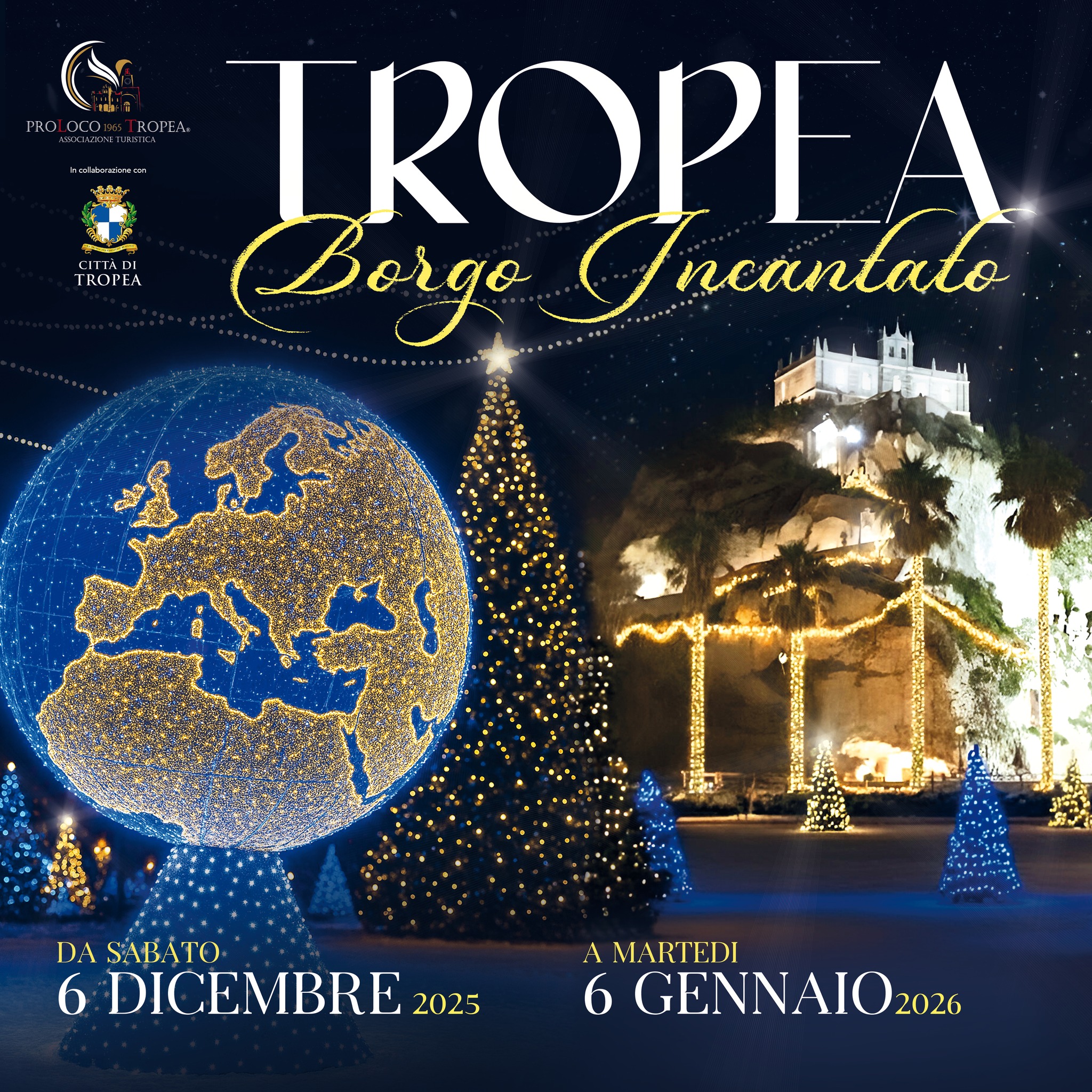
The district does not collapse outside summer. Tropea’s Natale nel Borgo lights, markets, and winter-town mood give the coast a second seasonal life that makes it more usable year-round than its beach image suggests.
Tyrrhenian · Strait coast
Costa Viola
The Costa Viola is better for travellers who enjoy waterfront atmosphere, city-side cultural pairings, and one or two dramatic inland trips rather than family waterparks or resort programming. Scilla, Reggio, and the Aspromonte edge make the district live through setting, not infrastructure.
Quick stops
Pentedattilo as a dramatic half-day
The ghost village carved into rock fingers. A strong photographic stop and one of the most visually memorable places in the region.
Quick stops
Best in shorter, denser stays
The coast is better over a few highly atmospheric days than as a broad family-entertainment choice.
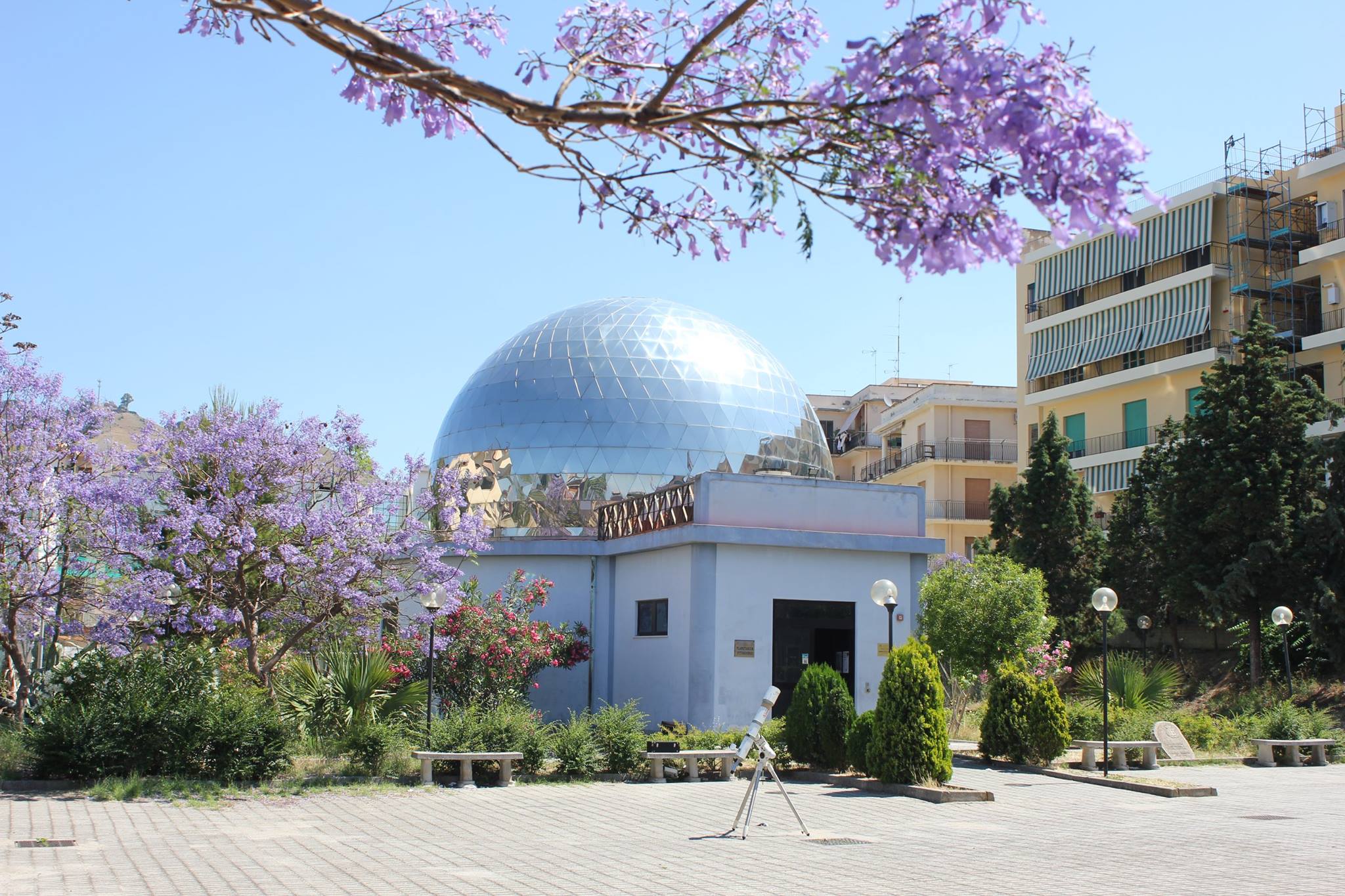
Reggio adds more than museums and seafront walks. The Planetario Pythagoras gives the coast one of its best non-beach evening or bad-weather options, especially for families with older children and science-minded travellers. Combined with the Museo Nazionale and the Bronzi di Riace, the city fills a full rain day without strain.
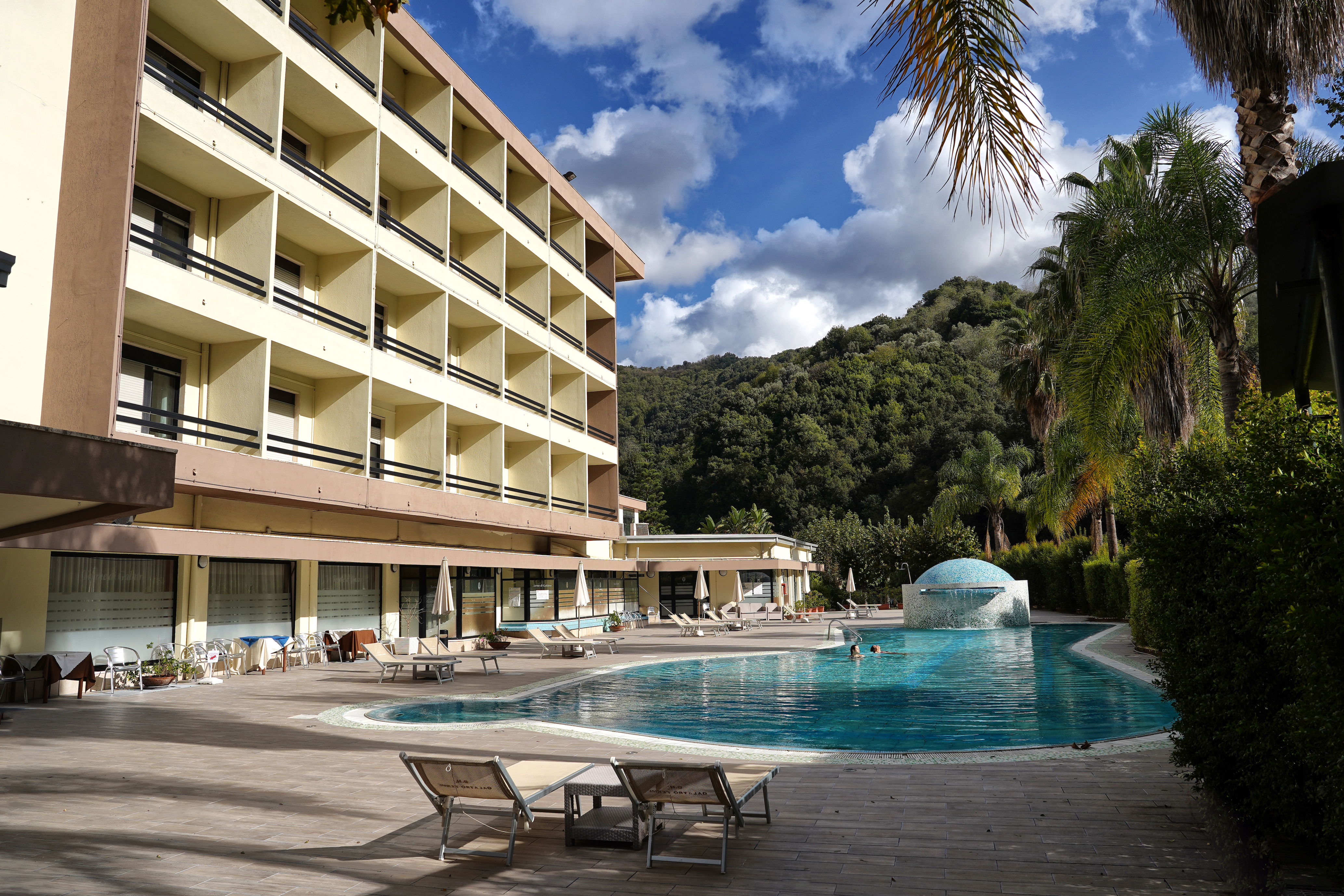
If the stay needs one softer day, the inland thermal side matters. Galatro is a good example of how the far south can fold wellness into an otherwise atmosphere-led trip without turning it into a medical stop. Useful on shoulder-season itineraries or when the sea is rough.
Start here
Scilla, Chianalea, and Reggio evenings
The best entertainment here is often simply being in the right place after dark: Chianalea’s fisherman-village waterfront, Scilla’s beach-level bars, and the urban seafront pace of Reggio with its Lungomare Falcomatà. This is a coast of setting and mood rather than heavy programming.
Worth knowing
Aspromonte-side contrast: Gambarie and Aspropark
One inland mountain day shifts the district completely. Gambarie and the Aspromonte side add cooler air, adventure-park routes, and a more active contrast to the Strait coast. Aspropark pairs zip lines and tree routes with inclusive sensory paths and didactic-family options, so it suits mixed ability groups.
Ionian · Southern Locride and Grecanica
Costa dei Gelsomini
The Costa dei Gelsomini is a district for travellers who want a slower pace: summer evenings in Roccella, MUSABA’s open-air art, the Grecanica villages, Antonimina’s thermal springs, and ritual events that feel more local than packaged. Its rewards are cumulative rather than instant.
Quick stops
Roccella Jazz Festival
Usually in August. One of the best reasons to time a stay around this coast.
Quick stops
Stilo and the Cattolica
A half-day that pairs a Byzantine jewel with a pleasant hill-town walk.
Quick stops
Better over a week than a weekend
The district reveals itself gradually. A short stay can miss the point entirely.
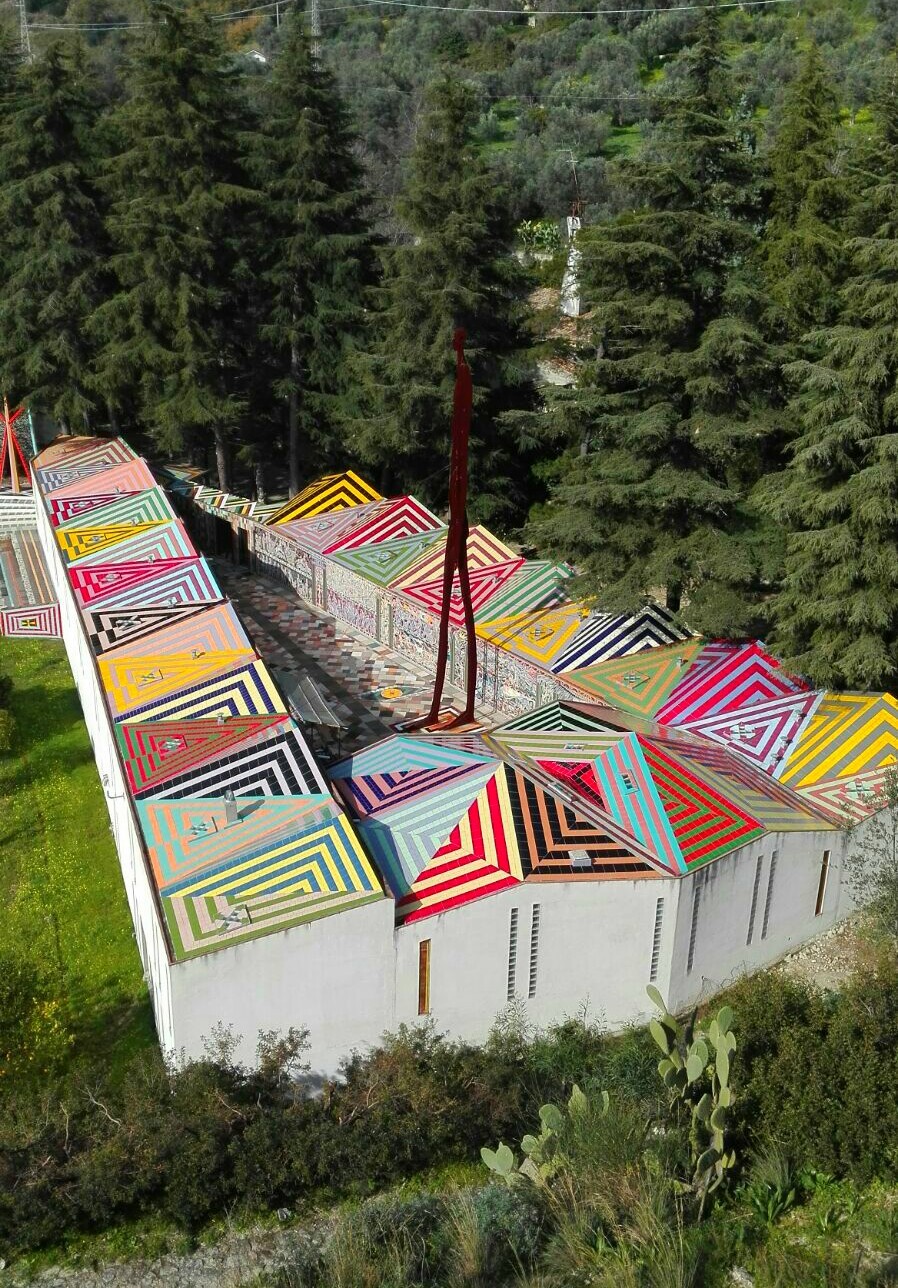
One of the coast’s best non-beach moves. MUSABA is Nik Spatari’s open-air art and architecture complex near Mammola: part sculpture park, part mosaic cathedral, part visionary ruin. It gives the district a genuinely unusual cultural landmark rather than a generic museum stop, and alone justifies an inland afternoon.
The best non-beach days often lie inland, where the trip turns linguistic, ritual, and village-focused. Antonimina adds a thermal reset, while the Grecanica belt adds cultural depth through Pentedattilo’s ghost-village drama and Bova’s surviving Greek-language community.
Start here
Roccella Ionica and central Locride summer life
Roccella is the easiest place on the coast for a beach day that slides naturally into an evening walk or summer event. The Roccella Jazz Festival (one of Europe’s older jazz events) gives the town its summer signature, and the castle-to-harbour promenade carries the evening on its own.
Worth knowing
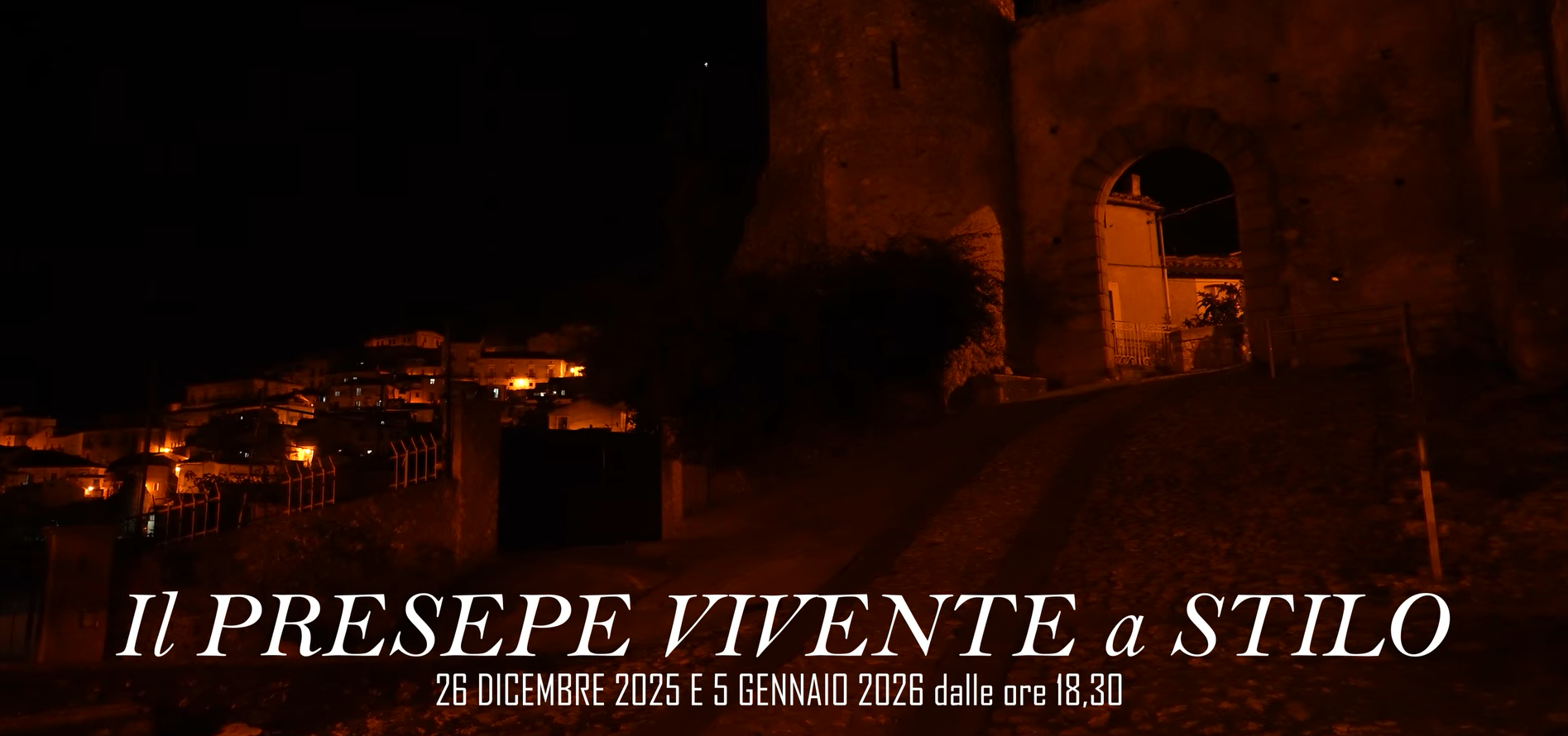
Ritual events: Pupazze di Bova and Presepe Vivente di Stilo
This coast is at its best when you value local ritual over generic nightlife. The Pupazze of Bova and the Presepe Vivente of Stilo are place-specific cultural draws that make the district genuinely memorable for return travellers.
Ionian · Gulf of Squillace and Catanzaro
Costa degli Aranci
Costa degli Aranci is excellent for mixed groups because it can combine Soverato’s easy evening coast, the Parco della Biodiversità in Catanzaro, Sila Piccola adventure parks, and monastic-cultural stops like the Certosa di Serra San Bruno without forcing long drives or hard logistics.
Quick stops
Soverato evening promenade
The simplest possible plan: beach, walk, dinner. It succeeds every time.
Quick stops
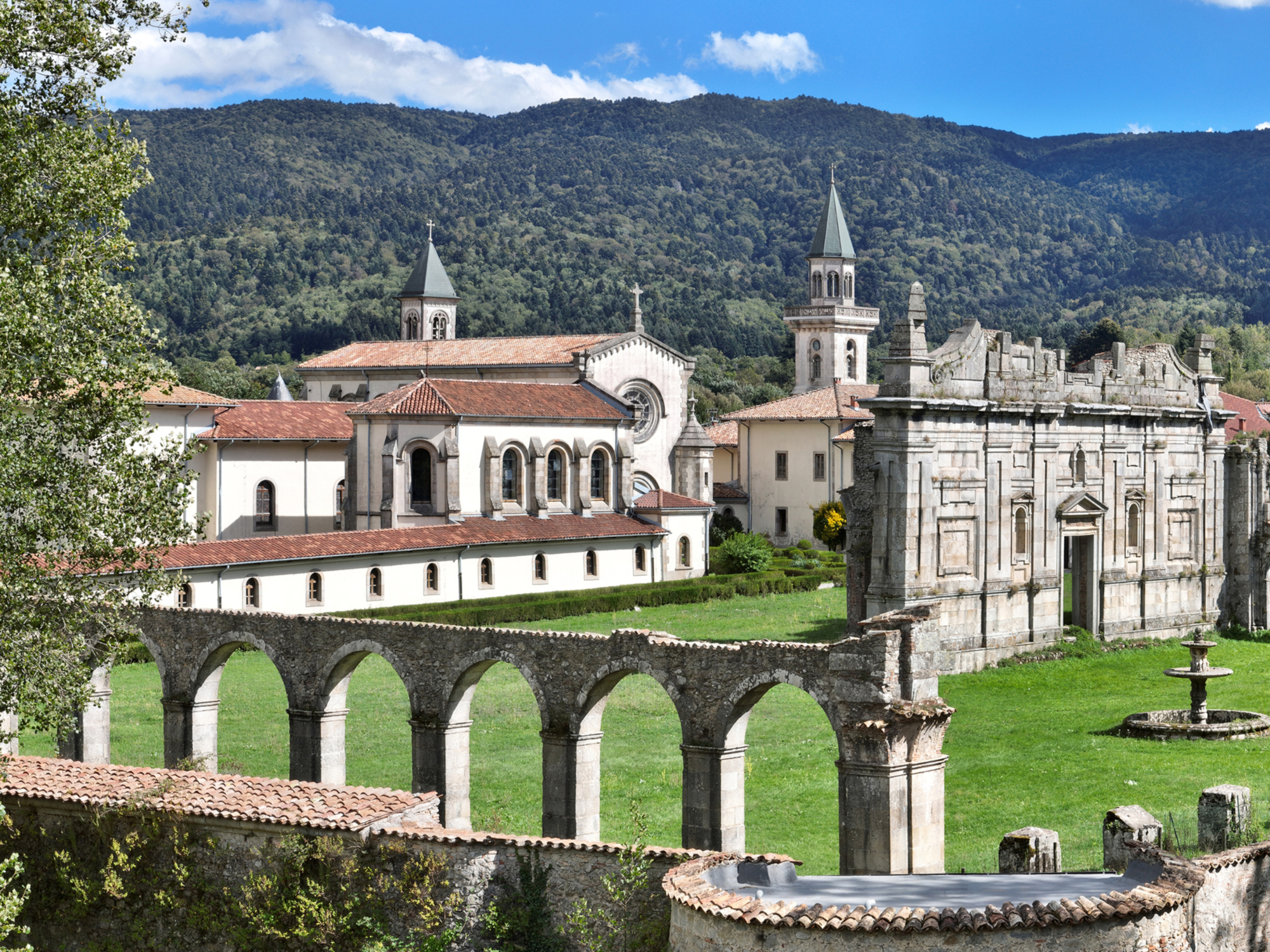
Serra San Bruno half-day
Certosa, village walk, forest air. A good reset when the coast needs a contrast day.
Quick stops
Best uncertain-weather fallback in the region
Parco della Biodiversità, MUSMI, and the Sila Piccola parks mean a rainy day never feels wasted.
Start here
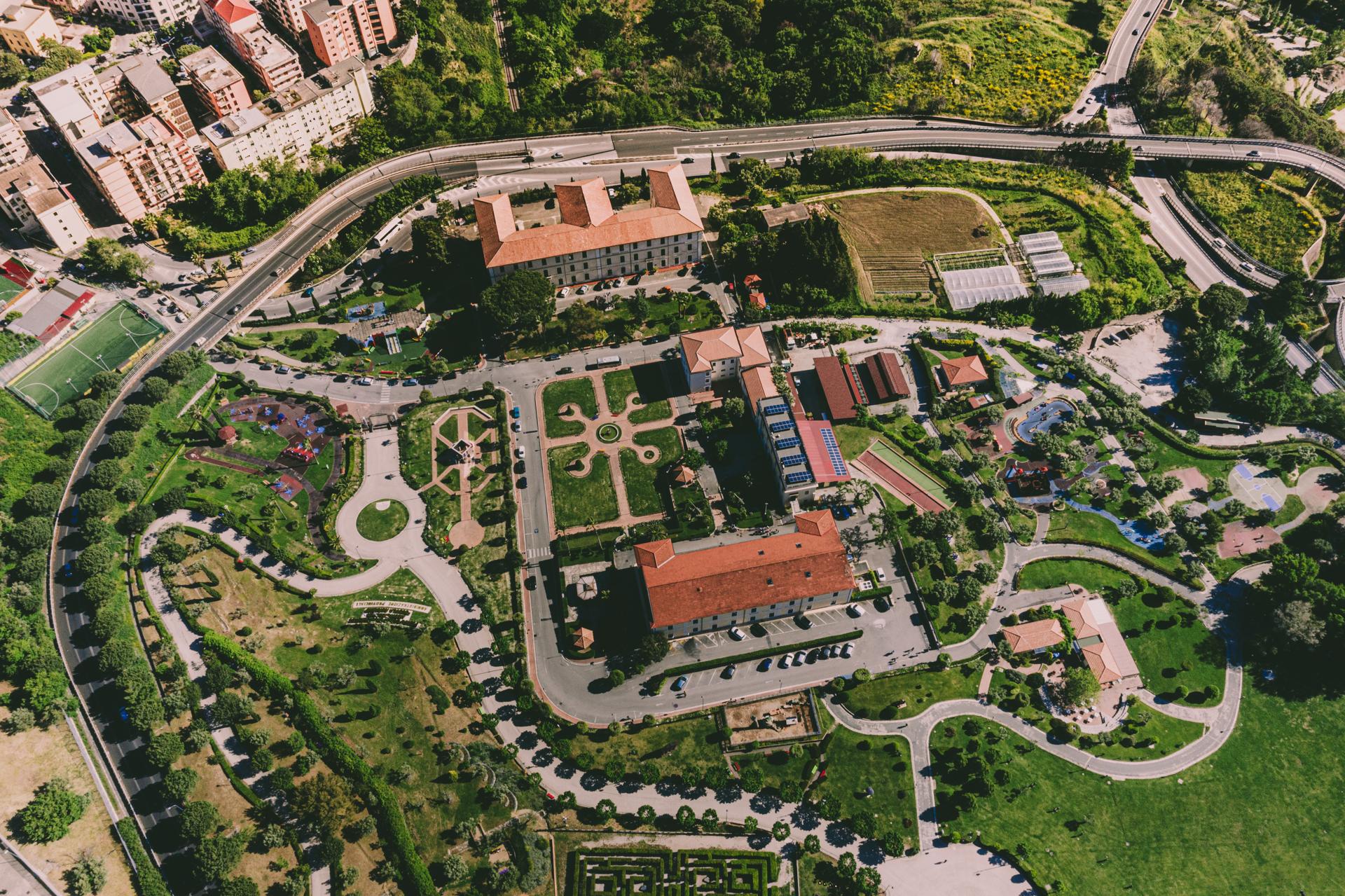
Parco della Biodiversità and Catanzaro for families
The Catanzaro side gives the district more real family and culture infrastructure than most Calabrian coasts. The Parco della Biodiversità Mediterranea can cover nature, open-air art, and even the MUSMI military museum in one urban green stop. It is the kind of fallback that turns a rainy day into a good day.
What makes the coast genuinely versatile is that its inland trips are not generic filler. Scolacium gives you archaeology inside a summer-event setting, the Certosa di Serra San Bruno adds one of Calabria’s most powerful monastic contrasts, and Nido di Seta offers a didactic silk-craft stop that families actually remember.
Start here
Soverato and the easy evening coast
Promenade, beach, and an easy summer social pace make Soverato one of the safest mixed-group entertainment choices in the region. The evening takes care of itself once the beach day ends, which is exactly why this coast suits families and couples who do not want to plan every hour.
The coast opens toward Sila Piccola and a whole family-adventure world that most beach districts cannot match. Orme nel Parco, Silavventura, and the Bosco Sospeso offer tree-top courses, zip lines, and forest paths that separate this district from a simple promenade coast, especially for groups with children or active teenagers.
Worth knowing
Split-interest planning
Some travellers do cove or beach time while others choose city, art, or adventure parks, and everyone reconnects by evening. Few coasts in Calabria manage split priorities this well, which is why the district is such a good default for first trips.
Ionian · Crotonese
Costa dei Saraceni
This district is excellent for travellers who want entertainment to feel place-specific. Marine-park sea days, Le Castella and Capo Colonna, winery stops, and the Parco Astronomico Lilio all fit naturally into the same short trip without requiring long inland drives.
Quick stops
Le Castella evening
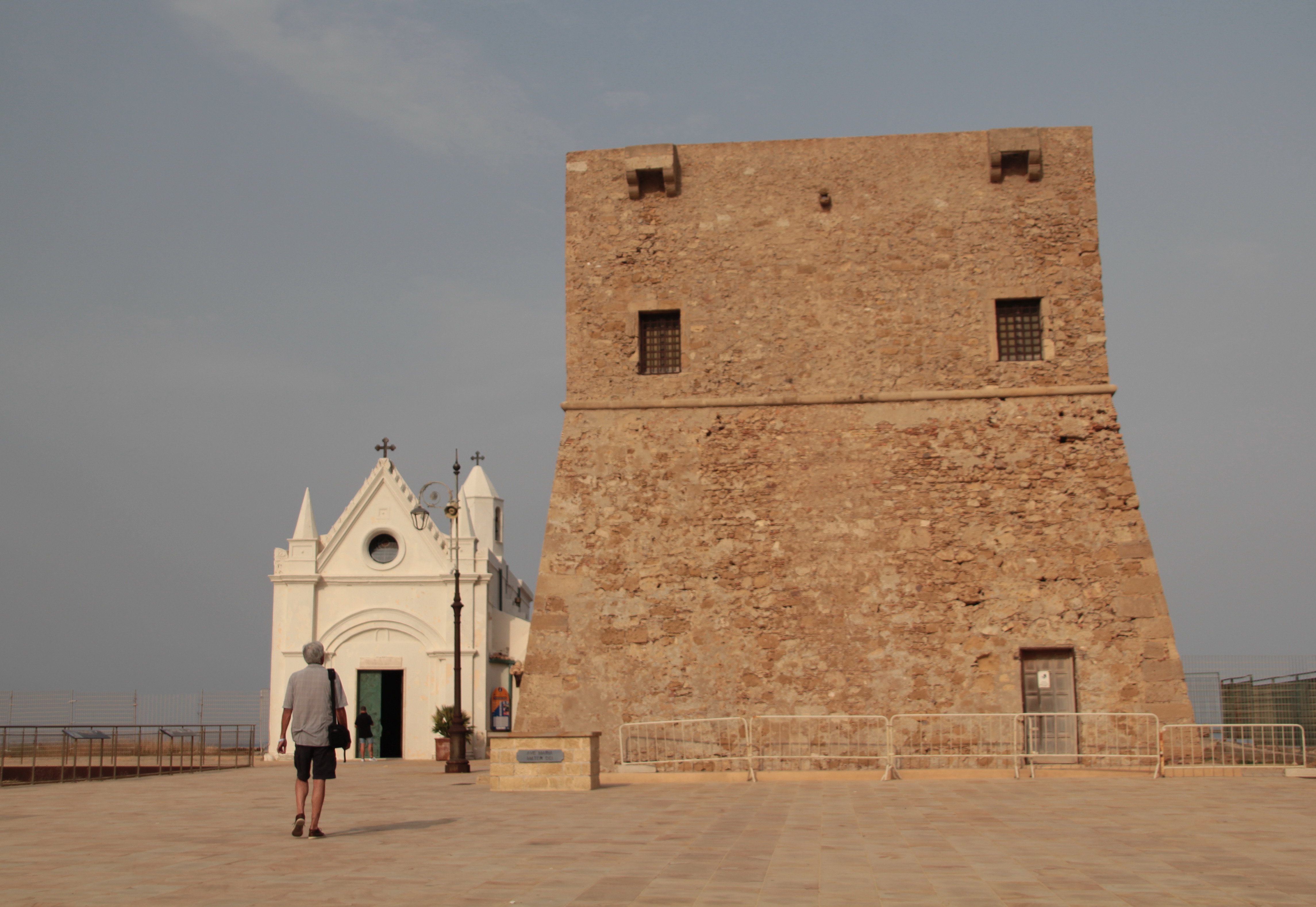
Walk the fortress approach at dusk. One of the most photogenic hour-long stops on the Ionian.
Quick stops
Coherent three-day district
Marine park, archaeology, astronomy, wine. Few coasts in Calabria can fill a short trip this neatly.
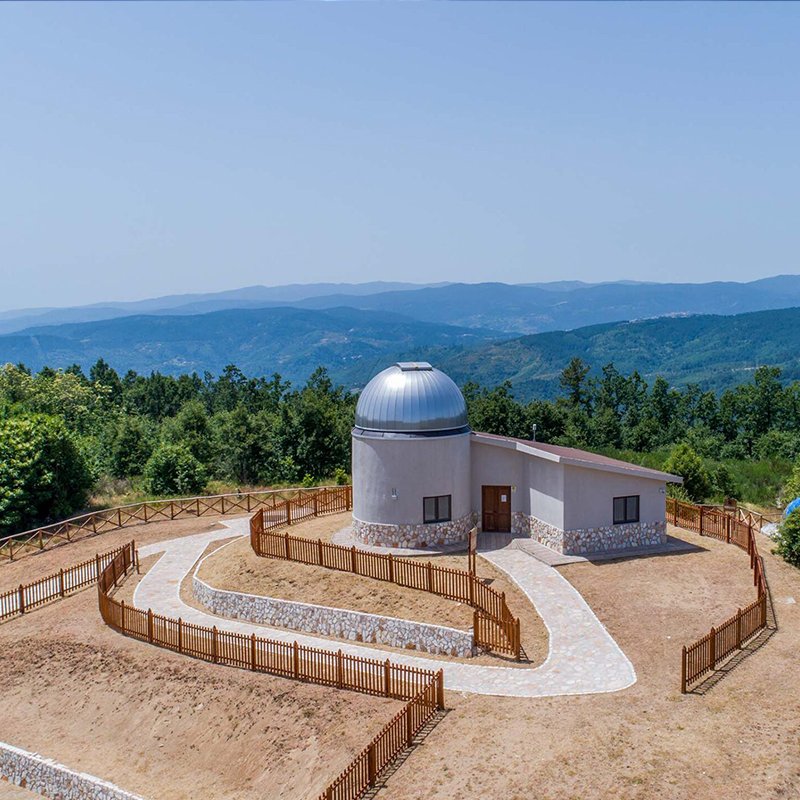
The Lilio Astronomical Park in Savelli gives the district one of Calabria’s most distinctive evening or non-beach options. Guided observation sessions under genuinely dark skies make it both educational and memorable for older children and curious adults. Dark-sky contrast is one of the Crotonese’s secret strengths.
The district is at its best when archaeology and coast reinforce each other. Capo Colonna’s single standing column of the Temple of Hera Lacinia, set on a promontory above the sea, turns a scenic morning into something that history readers remember for years.
Start here
Le Castella and the marine-park coast
Protected-water outings and the fortress landmark of Le Castella make the district especially good for families with children who want sea days to feel specific. The Capo Rizzuto marine park gives the coast a clear character that is easy to build a short trip around, and the snorkelling and boat-tour options add practical activities.
Worth knowing
Cirò wine territory
Folding a winery stop into the plan is what turns a three-day trip into a properly thematic one. The Cirò wine district is compact, easy to navigate, and gives the coast tasting-room time that pairs well with the archaeological and marine-park days.
Ionian · Sibaritide and northern Ionian
Costa degli Achei
Costa degli Achei is one of Calabria’s most forgiving family and mixed-interest districts. Broad beaches, Odissea 2000 waterpark, the Amarelli liquorice museum, Terme Sibarite, and the Gole del Raganello all sit together without hard logistics, and the Arbëreshë inland belt adds genuine cultural depth.
Quick stops
Rossano and the Codex museum
Combine with Amarelli. The Codex Purpureus Rossanensis is a UNESCO-listed gospel manuscript.
Quick stops
Civita and the Ponte del Diavolo
A good village stop on the way to or from the Raganello gorge. The view from the bridge is exceptional.
Quick stops
Morning sea, afternoon inland
The best pattern here: beach in the morning, one attraction or village stop every few days. It keeps the week easy and varied.
Quick stops
Sibari archaeological park
Add if you want one archaeology stop without a long drive. Modest but historically important.
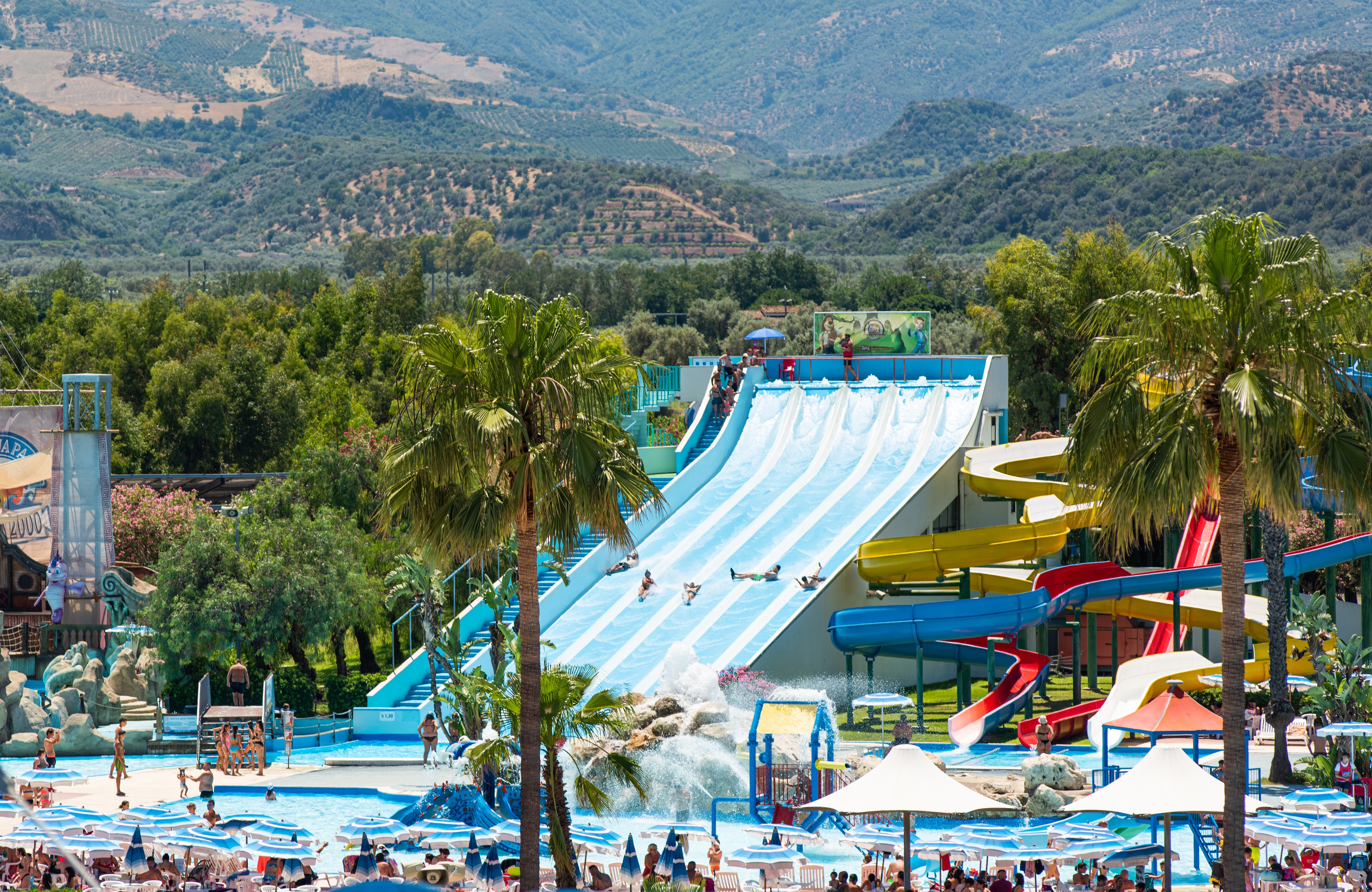
The northern Ionian is one of the few Calabrian districts where a proper waterpark day fits naturally into the same trip as broad family beaches. Odissea 2000 matters because it gives younger travellers something they immediately understand, and it buys the rest of the group an easy afternoon without guilt.
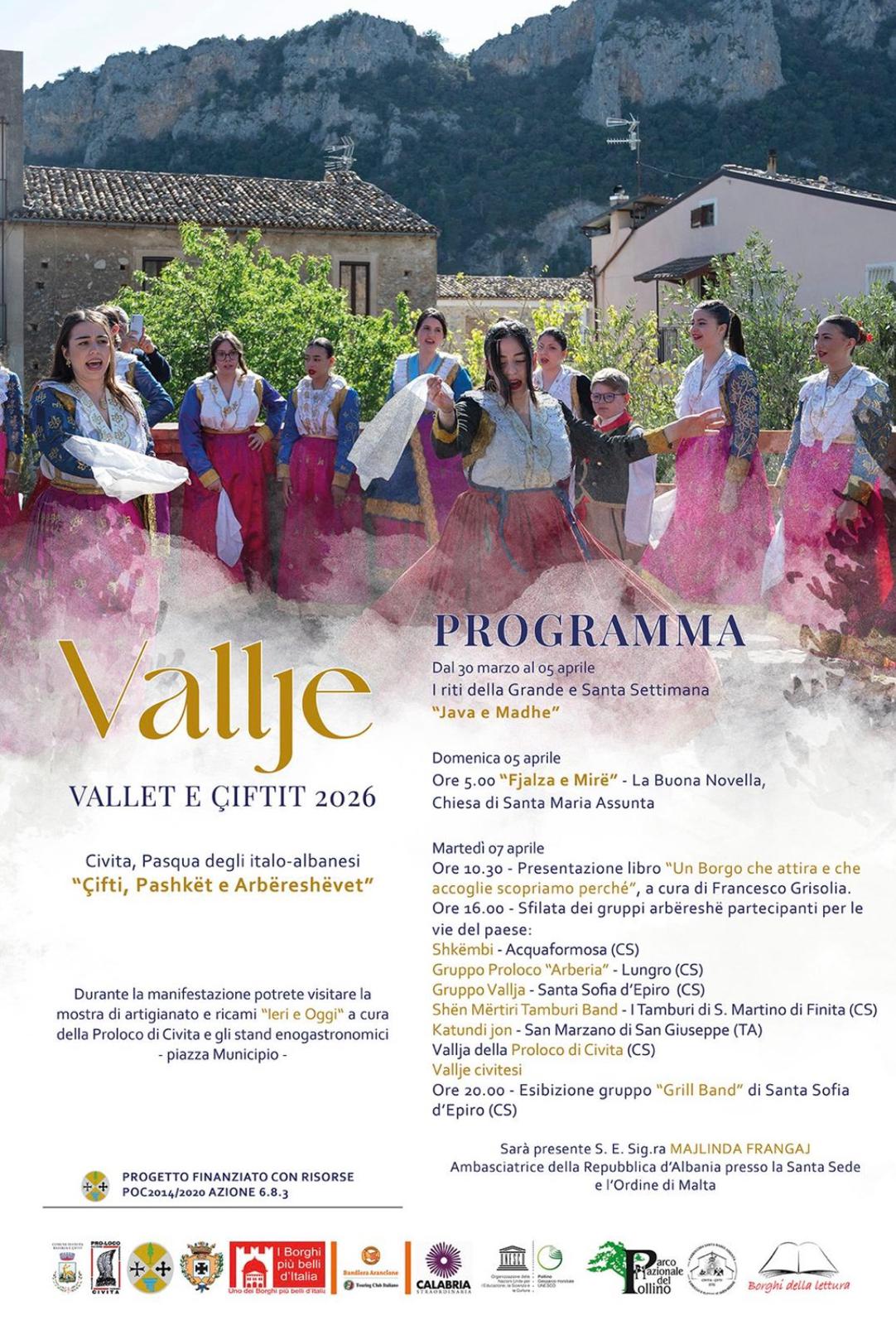
The inland Arbëreshë belt means the coast can also plug into very specific seasonal events: the Vallje of Civita and Frascineto are centuries-old Albanian-Calabrian dance celebrations tied to Easter. They make the district much more interesting for travellers who time the trip to coincide.
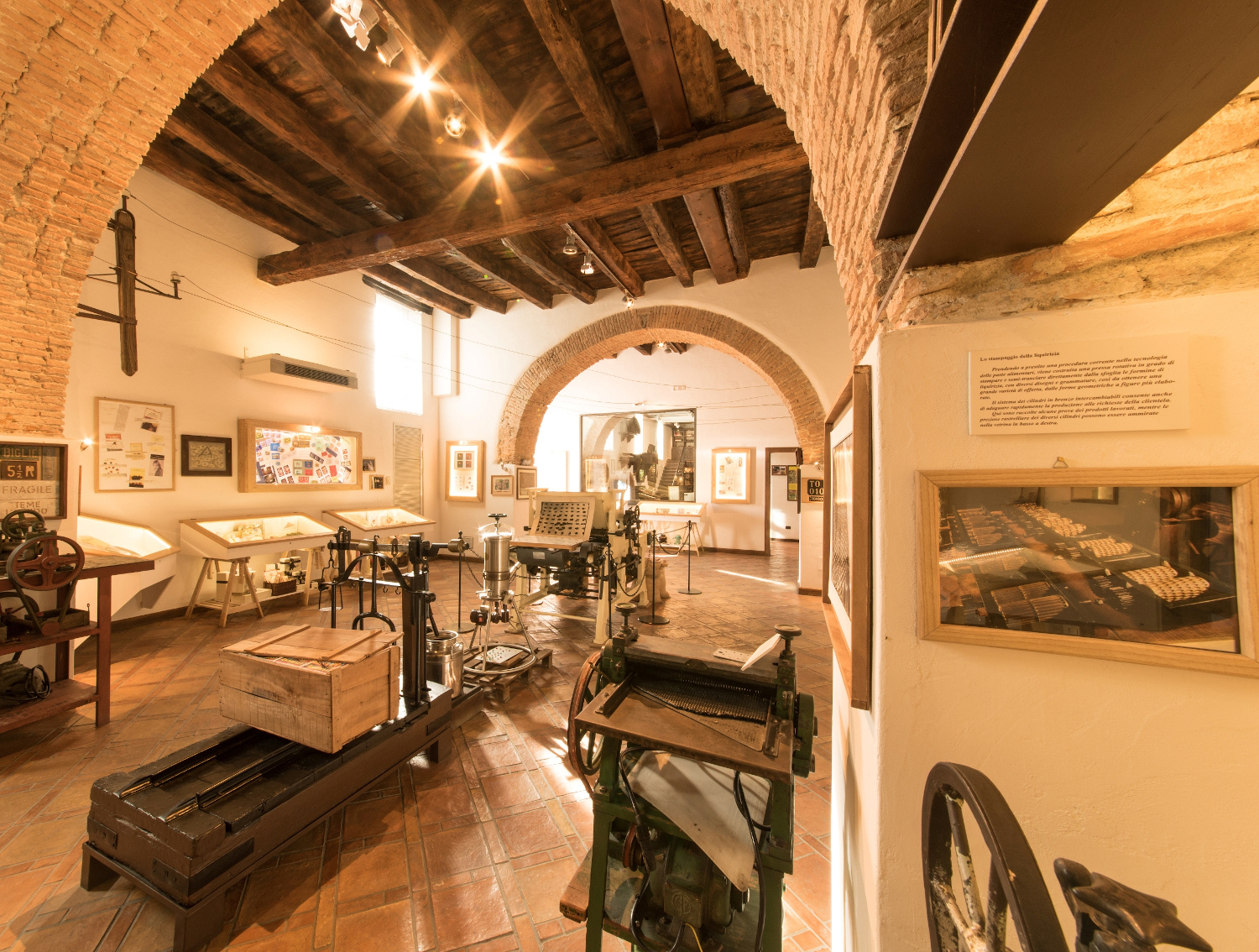
Even without the waterpark, the coast stays lively because the Amarelli museum near Rossano is one of Calabria's most polished product-museum experiences. The visit is genuinely engaging across ages, and combining it with Rossano's old-town architecture and the Codex museum makes a full inland half-day that never feels like filler.
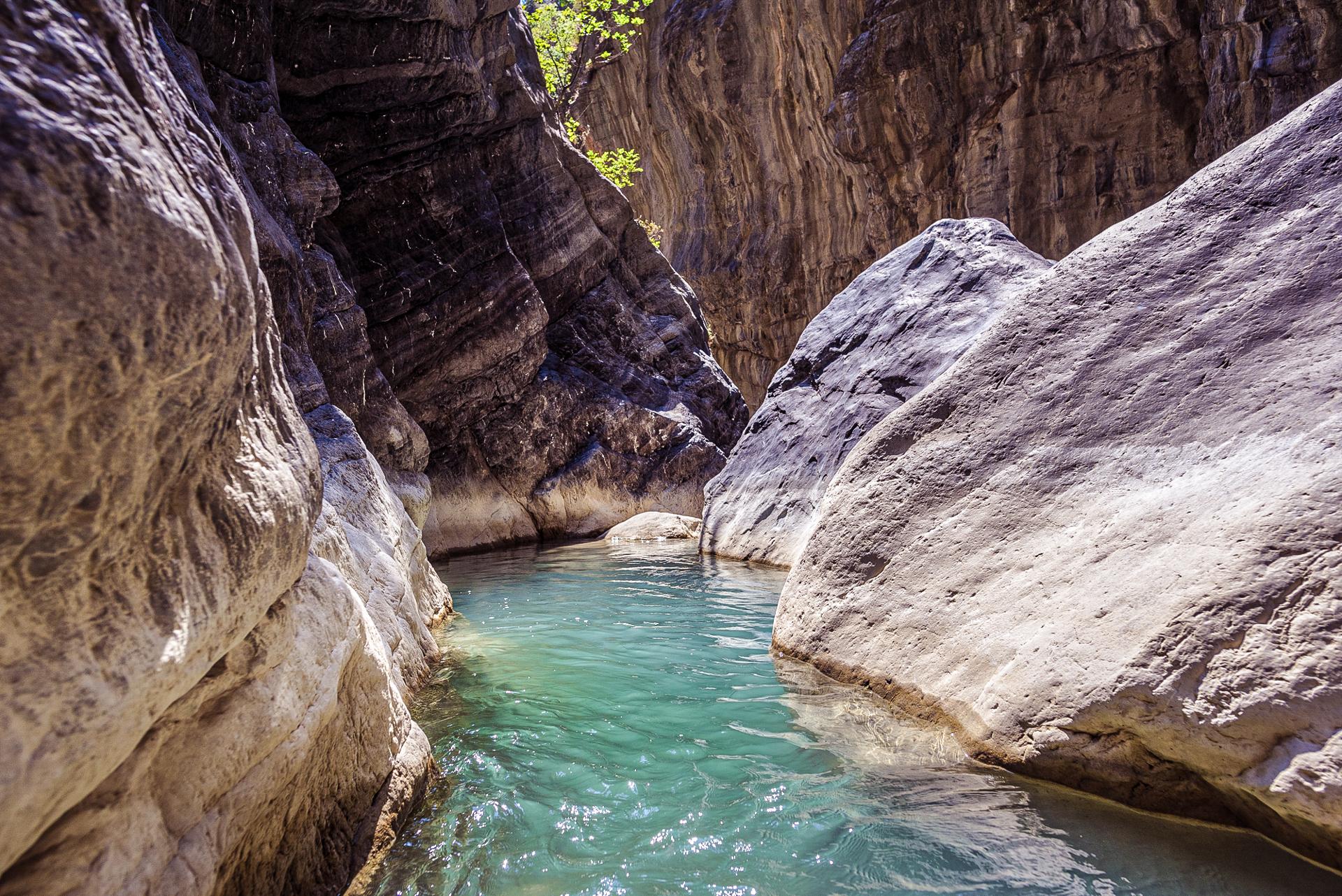
For the more adventurous day, the Raganello canyon gives the area dramatic outdoor contrast. Guided canyoning routes range from moderate to serious, and even the approach walk from Civita offers views that justify the drive on their own.
Worth knowing
Terme Sibarite and Grotte delle Ninfe
The district has a wellness and nature side that many beach-first itineraries miss. Terme Sibarite is the formal thermal option, while the Grotte delle Ninfe near Cerchiara add a more rustic, photogenic hot-spring experience. Together they give the coast a softer side for recovery days.
Cross-regional cycling route
Ciclovia dei Parchi della Calabria
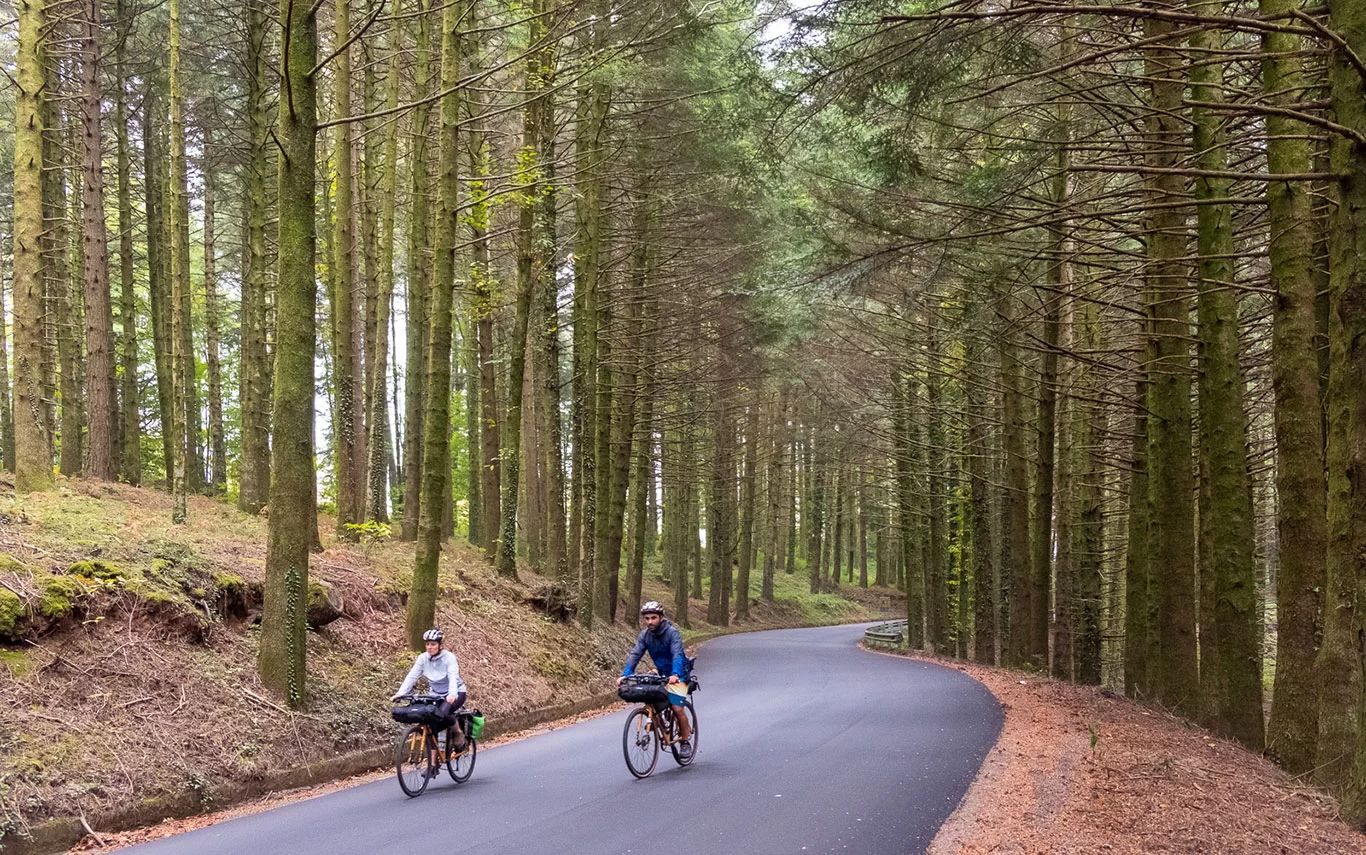
Since 2024 Calabria has a continuous 545 km cycling route running the full length of the region — from the Pollino border down to Reggio Calabria. Built along low-traffic mountain roads and former railway beds, it links all four of Calabria's protected areas and has been officially part of the EuroVelo 7 transcontinental network (North Cape to Malta) since that year.
Distance
545 km in 12 stages, north to south
Route
Laino Borgo (Pollino border) to Reggio Calabria
Parks crossed
Pollino, Sila, Serre Calabresi and Aspromonte
Elevation
10,240 m total gain; highest point 1,565 m near Lago Arvo
Network
Part of EuroVelo 7 — Sun Route since June 2024
Recognition
Italian Cycling Oscar 2021 · European Tourism Oscar 2024
What people want to know before they plan around the beach
The non-beach day
What Calabria offers when you leave the sand — and why the non-beach hours are often the ones you remember most.
01Is there enough to do in Calabria beyond the beach?
More than most visitors expect — but the entertainment is almost never of the resort-complex, theme-park kind. Calabria's non-beach life is built on what the geography already provides: thermal springs at Terme Luigiane on the Riviera dei Cedri, river rafting through the Lao valley a short drive from the coast, rupestrian church ruins in Zungri above Tropea, contemporary art at MUSABA near Mammola on the Ionian side, dark-sky astronomy at the Lilio park on the Costa dei Saraceni, and village evenings in places like Scilla, Tropea, and Pizzo where the passeggiata is the evening's main event. The density of things to do varies by coast — some stretches are naturally richer than others — but every section has at least one or two strong non-beach draws within 30 to 45 minutes. This guide is built coast by coast precisely so you can match your base to the kind of off-sand day you want.
02What does a typical evening look like in the Calabrian coastal towns?
The passeggiata — the slow evening walk through town — is the central social ritual and, in Calabria, it doubles as entertainment. Between roughly 7pm and 10pm the main streets and seafront promenades fill with families, couples, and groups walking, stopping for gelato, sitting at café tables, and watching each other do the same. In Tropea, the passeggiata along Corso Vittorio Emanuele and down toward the Isola overlook is one of the most scenic in southern Italy. In Scilla, it runs along the Chianalea waterfront. In Pizzo, the piazza where you eat Tartufo is where the walk converges. The evening is not organised entertainment — there is no programme, no ticket — but it is unmistakably the social highlight of the day. For visitors, the adjustment is to stop planning the evening and simply join the drift. Most coastal restaurants do not fill until 8:30 or 9pm, so the passeggiata hour is its own distinct phase of the night.
03Are there cultural attractions worth a dedicated day trip?
A handful, yes. MUSABA — the art park created by Nik Spatari near Mammola on the Costa dei Gelsomini — is a genuine one-of-a-kind: monumental mosaics, architectural sculpture, and decades of work by a single artist spread across a hillside compound. It warrants a half-day. The Cattolica di Stilo, a tiny Byzantine church perched above the Ionian coast, is architecturally extraordinary and takes less than an hour to visit but will stay with you. The rupestrian settlement in Zungri, above Tropea, offers a rare look at medieval cave dwellings carved into tufa. The Codex museum in Cosenza houses the Alaric treasure narrative and a well-designed permanent collection. None of these are blockbuster institutions — Calabria does not have a Pompeii or an Uffizi — but they reward the kind of visitor who prefers a quiet room with one remarkable object over a crowded hall with a hundred.
04How does Calabrian entertainment compare to the Amalfi Coast or Sicily?
It is a fundamentally different register. The Amalfi Coast and much of coastal Sicily offer polished, visitor-facing experiences: curated boat tours, high-end shopping streets, structured nightlife, and a well-oiled tourism infrastructure designed to fill every hour. Calabria offers almost none of that, and trying to find it will lead to disappointment. What Calabria does offer is unmediated access: thermal pools where you share the water with locals, village festivals where the audience is the village itself, evening walks where no one is performing for tourists, and outdoor adventures — rafting, kitesurfing, canyon hikes — that happen in landscapes largely empty of crowds. The trade-off is real: less convenience, less curation, fewer English menus, and more reliance on your own initiative. But for travellers who have done the polished Italian south and want something rawer and less self-conscious, Calabria is the answer that keeps coming up.
Timing the trip
When to go for what — because the best non-beach day in Calabria changes completely depending on the month.
01When is the best time to visit Calabria for entertainment beyond the beach?
It depends on what kind of entertainment matters to you. Summer — July and August — is when the coast towns are most alive: evening passeggiata at full intensity, food festivals running, outdoor cinema screenings in some towns, and the longest daylight hours for combining beach with an inland detour. But summer is also the most crowded period and the hottest for outdoor activities like hiking or village exploration. September is often the best single month: crowds thin, temperatures drop to comfortable walking levels, the Vattienti-related cultural calendar winds down, festivals like the Peperoncino Festival in Diamante run in early September, and the light is exceptional for photography. Spring — April to mid-June — is ideal for active entertainment: rafting season on the Lao opens, the Sila and Aspromonte trails are green and cool, and the coast is quiet enough to move freely. Winter is niche but rewarding for village immersion, thermal springs, and the kind of slow inland Calabria that disappears in high season.
02What are the most important local festivals and events?
Calabria's festival calendar is genuinely deep, but most events are hyperlocal — one village, one saint, one tradition — rather than region-wide spectacles. The Vattienti of Nocera Terinese (Easter week, Riviera dei Tramonti area) is the most viscerally memorable: a self-flagellation procession with medieval roots that draws Italian anthropologists and documentary crews. The Festival del Peperoncino in Diamante (early September, Riviera dei Cedri) is the largest food event and brings genuine energy. Roccella Jazz on the Costa dei Gelsomini is one of Italy's longest-running jazz festivals and attracts international acts to an otherwise quiet Ionian town. Local patron-saint festivals — featuring marching bands, fireworks over the sea, and outdoor food stalls — happen in virtually every town between June and September and are worth stumbling into even without planning. The unifying thread: these events exist for the community, not for visitors. You are welcome, but you are not the audience.
03Is Calabria worth visiting outside of summer?
Yes, though the experience changes substantially. In spring and autumn, the coast is quieter but the inland is at its best: hiking trails in the Pollino, Sila, and Aspromonte are green and uncrowded, thermal springs like Terme Luigiane run year-round, and the food calendar — olive pressing in November, chestnut season in October, new-season cheeses in spring — gives the trip a different centre of gravity. Village life is more visible outside summer because local rhythms are not compressed by tourist season. Winter is the most demanding season for a visitor: some coastal accommodation closes, public transport thins, and short days limit outdoor time. But Calabria in winter has a stark beauty — snow-capped Pollino visible from the Tyrrhenian coast, empty archaeological sites, thermal steam rising in the cold morning air — that rewards travellers comfortable with planning their own days. The honest answer: summer is easiest, but September through November is often the most interesting.
04How far in advance do you need to plan for festivals and outdoor activities?
Less than you might expect. Most Calabrian festivals do not sell tickets or require booking — you simply arrive. The exceptions are structured outdoor activities: rafting on the Lao with outfitters like those operating near Papasidero should be booked a few days ahead in peak season, and guided canyon hikes in the Raganello gorge (Costa degli Achei) require advance arrangement because group sizes are limited. Kitesurfing lessons at Gizzeria on Riviera dei Tramonti can often be arranged on short notice, but July and August fill faster. For cultural venues, MUSABA near Mammola asks for advance booking, and some smaller museums keep irregular hours that are worth confirming by phone. The general principle: anything that involves a guide, a boat, or safety equipment benefits from a call or email two to three days ahead. Everything else — town evenings, festivals, thermal springs, village walks — works on arrival.
Active Calabria
The outdoor side of Calabria — for travellers who want movement, not just views.
01What are the best outdoor activities in Calabria beyond swimming?
The standouts are distributed across the coast sections, each with a different character. White-water rafting on the Lao river (Riviera dei Cedri) is the most high-energy option: a gorge carved through the Pollino massif with rapids that are exciting but manageable for beginners. Kitesurfing at Gizzeria Lido (Riviera dei Tramonti) benefits from some of the most reliable thermal winds in southern Italy — the spot has hosted international competitions. Canyon hiking in the Raganello gorge (Costa degli Achei) combines river wading, narrow rock passages, and dramatic vertical walls. The Aspromonte trails above the Costa Viola offer ridge walks with simultaneous views of the Tyrrhenian, the Strait of Messina, and sometimes the Aeolian Islands. The Sila plateau (reachable from the Costa degli Aranci or Costa dei Saraceni) has forest trails, mountain biking, and winter cross-country skiing. None of these require exceptional fitness — most operators cater to families and first-timers — but they do require a willingness to drive 20 to 50 minutes from the coast.
02Is rafting on the Lao river suitable for beginners and families?
Yes. The Lao is classified as grade II to III depending on the section and water level, which means real rapids — you will get wet, the boat will bounce, there are moments of genuine excitement — but nothing that requires prior experience. Licensed outfitters near Papasidero provide all equipment, safety briefing, and guides who steer the raft through the technical sections. Children are generally accepted from age six or seven upward, depending on the operator and water conditions. The gorge itself is the real draw: steep rock walls, clear green water, and a landscape that feels unexpectedly wild given that the Tyrrhenian coast is less than an hour away. The experience runs roughly two to three hours on the water. Book a morning slot in summer to avoid the worst heat, and bring shoes that can get wet — the walk to the put-in point crosses rocky riverbed.
03What is the hiking like in Calabria, and which areas are best?
Calabria has three major mountain systems, each with a different hiking character. The Pollino massif in the north (behind the Riviera dei Cedri and Costa degli Achei) is the wildest: Bosnian pines at altitude, long ridgeline trails, and a genuine sense of remote mountain landscape. The Sila plateau in the centre is gentler — rolling highland forests, lakes, and well-marked paths that feel more like the Scottish Highlands than the Mediterranean. The Aspromonte above Reggio Calabria is steep, dramatic, and the least visited: dense forest, deep river valleys, and trails that can feel genuinely solitary even in summer. For a first visit, the Sila is the most accessible and the Pollino the most rewarding for experienced walkers. Trail marking varies — some paths are well-signed, others require GPS tracks or a local guide. The CAI (Club Alpino Italiano) sections in Cosenza and Reggio are good resources. The main practical point: Calabrian mountains are real mountains with real weather, even when the coast below is 35 degrees and sunny.
04Can you combine beach days with outdoor activities without exhausting the trip?
That is the pattern this guide is built around. The key is not to do both every day. The most sustainable rhythm is three or four beach days for every one active day — and to choose a coast base where the active option is close enough to reach without a heroic drive. From the Riviera dei Cedri, the Lao rafting is under an hour. From the Riviera dei Tramonti, Gizzeria kitesurfing is right on the coast. From the Costa degli Achei, the Raganello canyon is a 40-minute drive. From the Costa Viola, Aspromonte trailheads are 30 to 45 minutes uphill. The mistake is trying to do everything: pick one or two active experiences that match your energy and let the rest of the week be coast, town, and evening. Calabria rewards a slow pace, and the best non-beach days feel like a natural break from the sand rather than a second itinerary competing with the first.
Travelling with children
Calabria is not built for children in the resort sense — but the right choices make it one of Italy's most rewarding family destinations.
01Is Calabria a good destination for families with children?
It is an excellent one, with a caveat: the entertainment is not packaged for you. There are no large amusement parks, no kids' clubs attached to most beaches, and very few attractions designed specifically for a child audience. What Calabria does offer families is space, safety, and genuine experiences. Beaches are often wide and shallow enough for young children to play safely. Towns are walkable and largely car-free in their historic centres. The natural attractions — river pools at Gurna del Caronte, the thermal springs at Terme Luigiane, the waterpark at Odissea 2000 near the Costa degli Achei — work for all ages. And the evening passeggiata is inherently family-friendly: Italian families bring children of all ages, the streets are safe, and gelato is the universal reward. The families who enjoy Calabria most are those comfortable with a slower pace and willing to let the landscape, the water, and the village rhythm be the entertainment rather than looking for a programme.
02What are the best family-friendly attractions in Calabria?
The strongest options are spread across the coasts. Odissea 2000 near Rossano (Costa degli Achei) is the largest waterpark in the region and a reliable full-day attraction for children of all ages. The Parco della Biodiversità Mediterranea in Catanzaro (Costa degli Aranci) combines botanical gardens, a military museum, and open green space in a way that works for a half-day family visit. The Planetario Pythagoras in Reggio Calabria (Costa Viola) runs shows that are accessible to school-age children and introduces the region's connection to ancient Greek science. Terme Luigiane (Riviera dei Cedri) has thermal pools that children enjoy, particularly in the open-air sections. The Lao rafting is suitable for children from about six or seven. The rupestrian caves at Zungri (Costa degli Dei) fascinate children who like the idea of people living in carved-out rock. And the Amarelli liquorice museum near Rossano is a small, well-designed visit that ends with tastings — which is all a child needs to call an outing worthwhile.
03Which coast section is best for a family holiday?
The Costa degli Dei — the Tropea and Pizzo stretch — is the safest general recommendation for families, because it concentrates the most variety in the smallest area: good beaches, easy town evenings, Tartufo di Pizzo as a built-in reward, Zungri caves for a morning outing, and a short drive to Monte Poro villages for a change of scenery. The Costa degli Aranci around Soverato is a strong alternative: wide sandy beaches that suit young children, the Biodiversità park in Catanzaro for a half-day, and the Sila Piccola forests reachable in under an hour for a cooler day. The Costa degli Achei works well for families with older children who want the waterpark (Odissea 2000) and the possibility of the Raganello canyon hike. Each of these coasts has enough to fill a week without the feeling that you have run out of things to do — which is the real test for a family base.
04How do you keep children entertained on non-beach days in Calabria?
The trick is to think in half-days rather than full-day excursions, and to alternate active and passive. A morning at Terme Luigiane followed by an afternoon at the beach is a full day without anyone complaining. A visit to the Zungri caves or the Amarelli museum takes two hours and leaves time for a late lunch and pool or beach. River swimming at natural pools like Gurna del Caronte (Riviera dei Tramonti) is an adventure for children — the water is cold, the rocks are climbable, and it feels like discovering something rather than visiting an attraction. Evening passeggiata plus gelato is entertainment in itself and does not require you to find anything specific to do. The principle that works best: one planned non-beach activity per day at most, timed for the morning when energy is highest, with the rest of the day left open for water, walking, and the rhythms of the town. Children in Calabria thrive on the same things adults do — they just need more gelato.