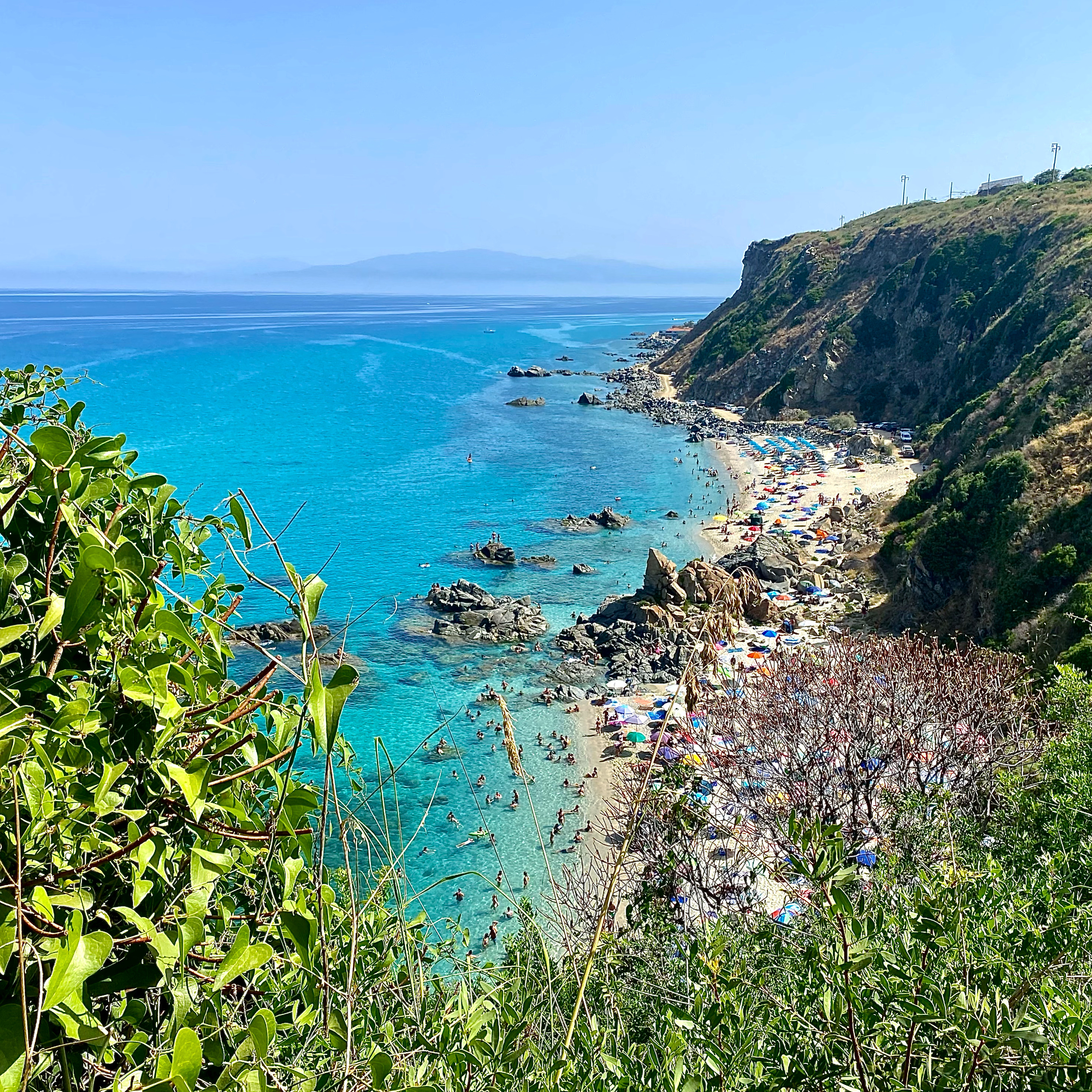
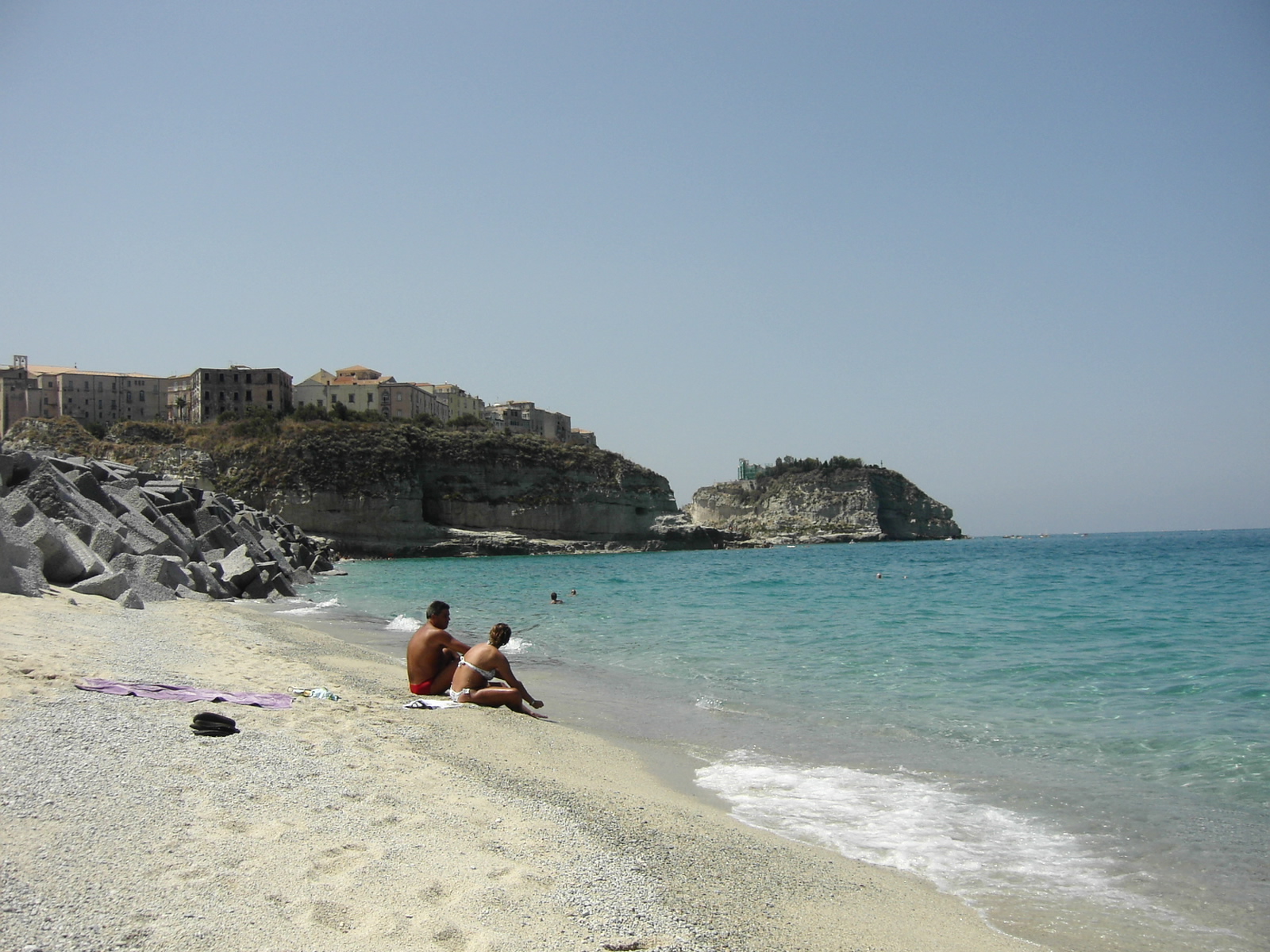
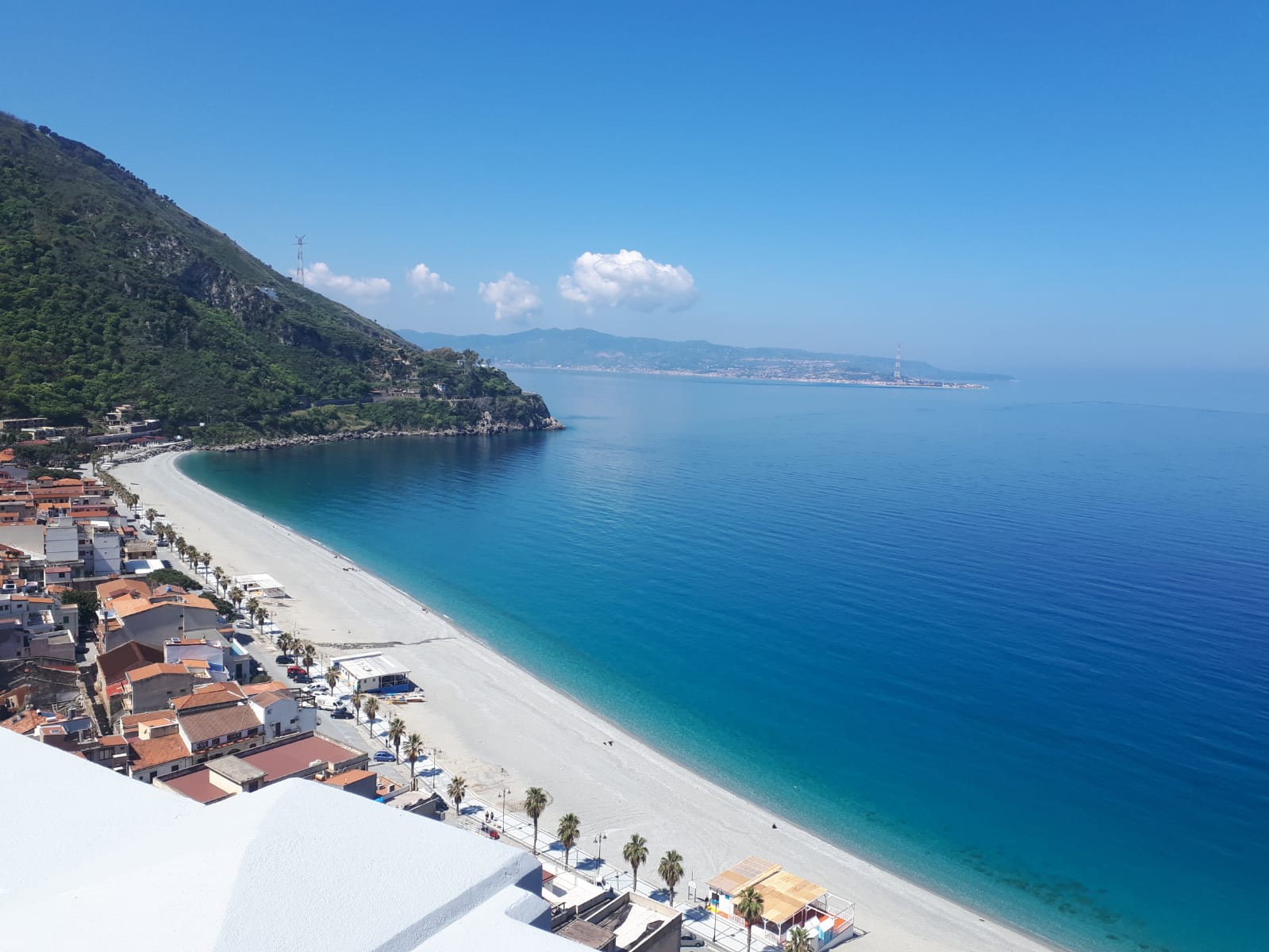
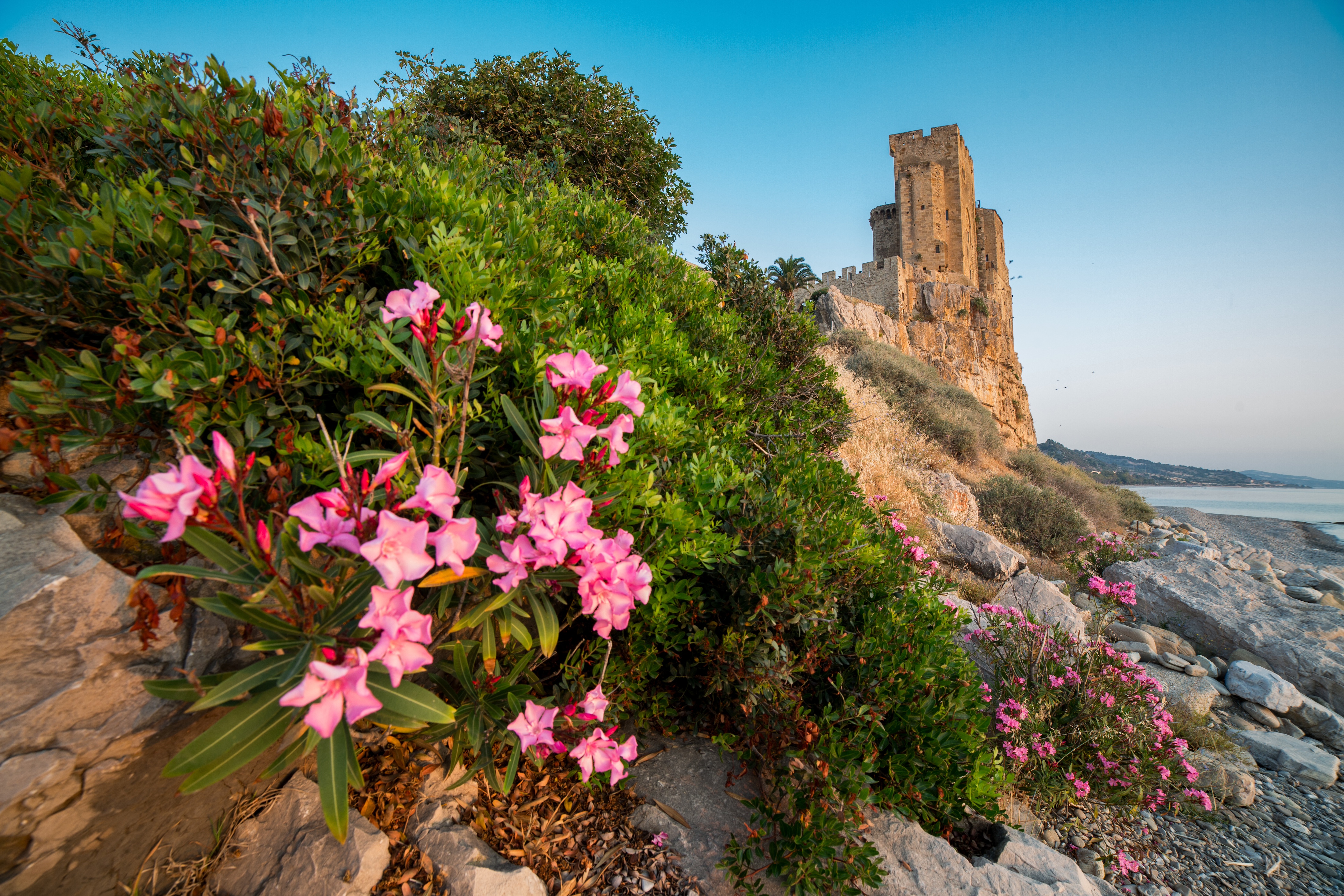
Calabria has nearly 800 kilometres of shoreline and eight named coasts, and the easiest planning mistake is treating them as interchangeable. The Tyrrhenian side is cliffier, cave-cut, and more dramatic; the Ionian is broader, calmer, and easier for families. Pick the wrong one for your trip and the beach feels like a disappointment; pick the right one and you're hard to move. Each section below separates sea character, best beaches, day-trip range, and what to know before you arrive.
If you're staying on the northern Tyrrhenian, the main draw is the changing geography: family sands in one town, natural arches and cave water in the next, and Pollino just inland. It's a coast that rewards variety-seeking more than repetition.
Worth Knowing
The family-easy beaches are not the famous ones
Praia, Santa Maria del Cedro, and parts of Diamante are easier places to stay than Arcomagno or the rock-led stops. The coast's most photographed imagery comes from karst scenery, arches, and caves — not from its most practical beach sectors.
Worth Knowing
September is often better than August here
Several of the best swims involve stairs, rock entry, or boat logic. September sees lower crowds, better water clarity, and cleaner access to the cave and cove sectors that are most sensitive to peak-summer pressure. Conservation concerns are part of using this coast well.
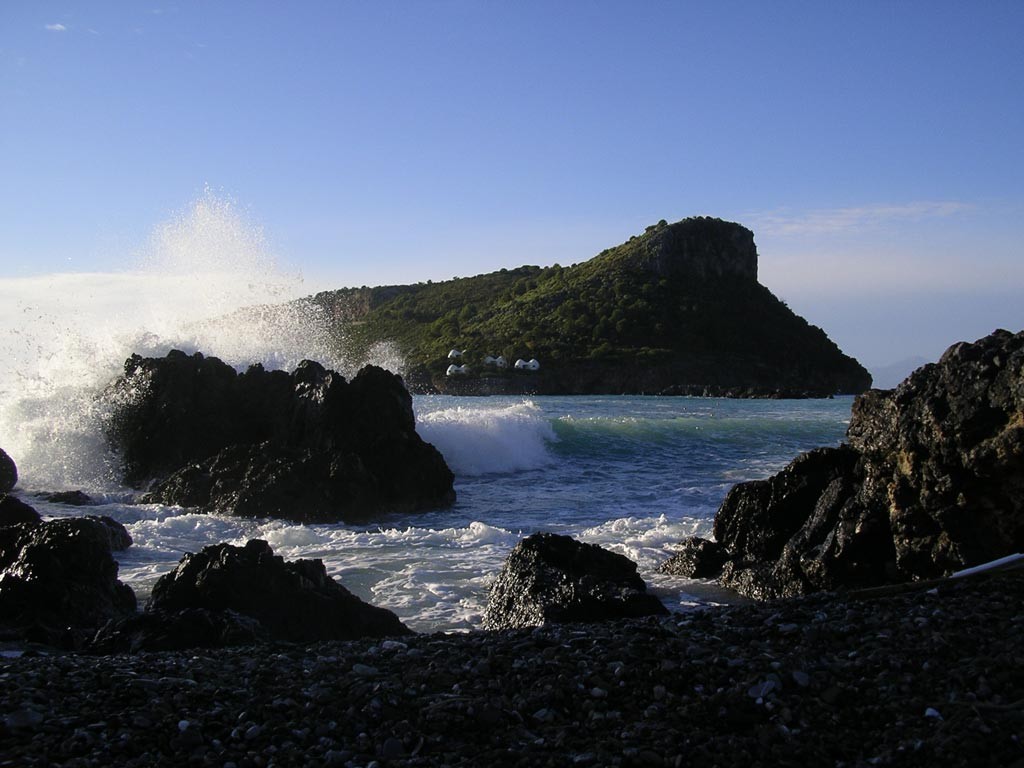
Praia is the northern Tyrrhenian's most practical town for a beach stay: good infrastructure, family-capable sectors, and boat trips to the Grotta Azzurra and Grotta del Leone around Isola di Dino. The island rises dramatically above the water, and its posidonia meadows and rocky seabed make it the coast's best snorkelling and diving reference. If you need services without losing ecological character, this is the answer.
The Beaches
Arcomagno, San Nicola Arcella, Ajnella, and Torre Talao
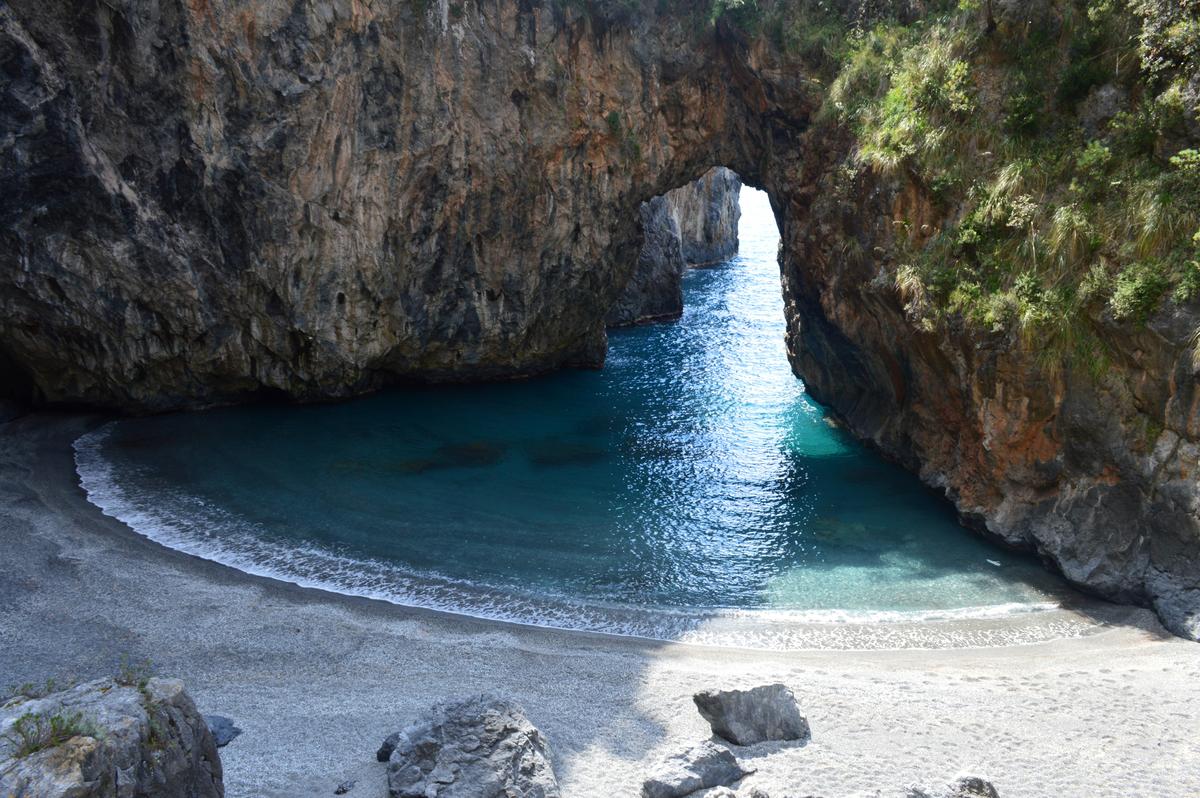
Arcomagno is the iconic arch-and-cove stop — the image most people already have of this coast. Lido dei Gabbiani nearby keeps a quieter, darker-sand alternative that's especially good in September. Ajnella is the rocky counterpoint to Scalea's long town beach and opens onto the Grotta della Pecora, reachable by swimming. Torre Talao marks Scalea's waterfront with a watchtower that gives the beach its main visual and historical frame. This is the right zone if you want scenery over repetition.
The Beaches
Diamante, Cirella, and the stretch toward Scogli di Isca
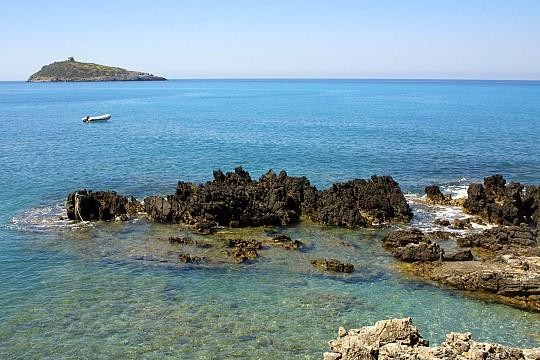
Diamante gives you family sand, murals, evening culture, and island views from the shore — the Isola di Cirella across the water carries a ruined Bourbon fortress and clear water that rewards a boat outing. Farther south, Guardia Piemontese and the Scoglio della Regina lead toward the Scogli di Isca WWF reserve, associated with rare coral and richer snorkelling. This stretch suits mixed groups who want usable beach days alongside a few memorable nature stops.
Nearby Trips
Pollino and the Lao valley
From Praia, Scalea, or Diamante you can be in rafting, canyon scenery, and mountain air within an hour. That makes the coast unusually good for active families and mixed-pace road trips — the beach day and the gorge day sit closer together here than almost anywhere else in Calabria.
Nearby Trips
Cedro culture, Diamante's murals, and the hill towns
Museo del Cedro in Santa Maria, Diamante's painted streets, and inland villages like Aieta and Oriolo prevent the stay from feeling like pure beach repetition. The cedro thread is the local signature here — follow it from grove to liqueur to pastry and you understand what makes this district different from the coasts further south.
Tyrrhenian · Gulf of Sant'Eufemia
Riviera dei Tramonti
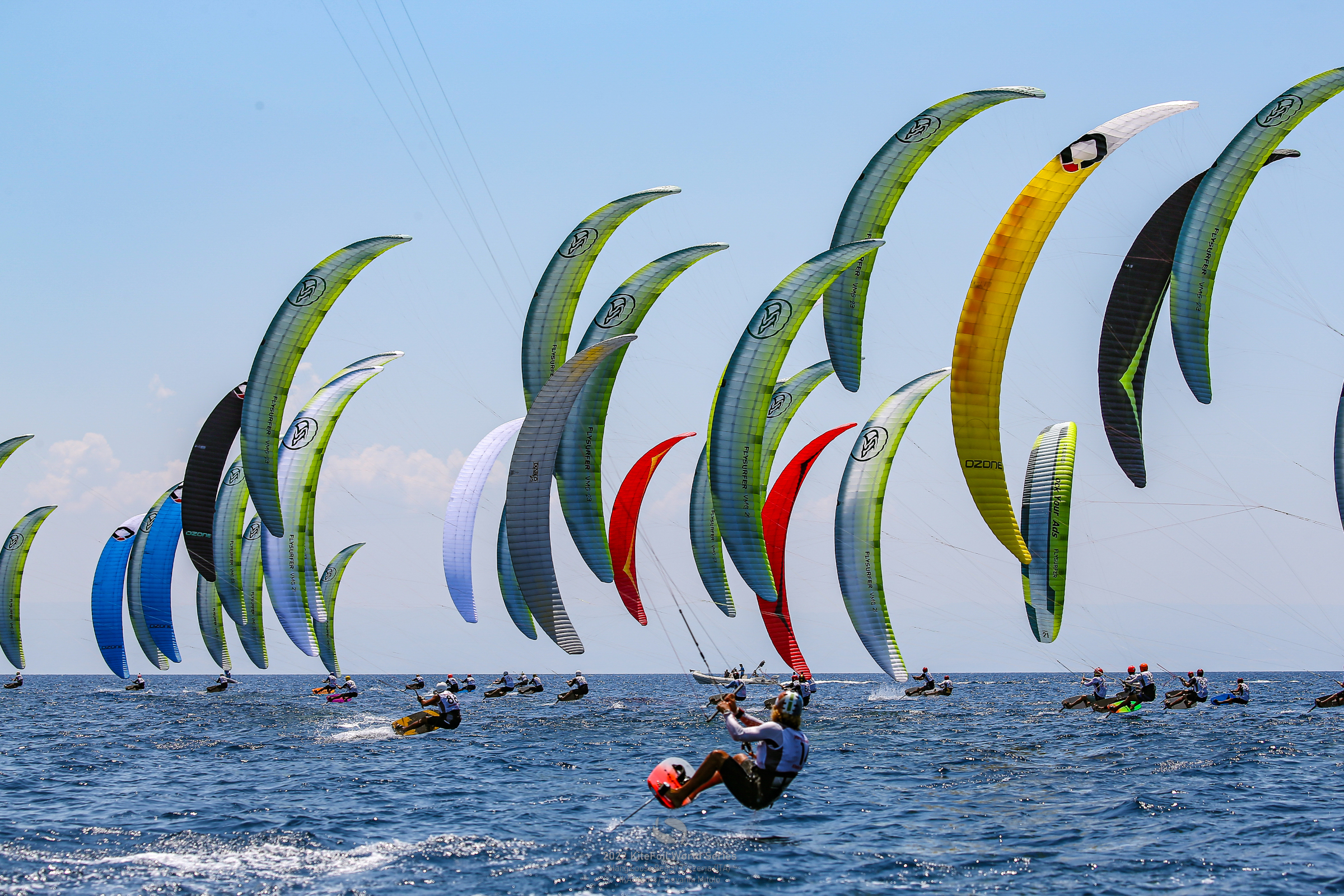
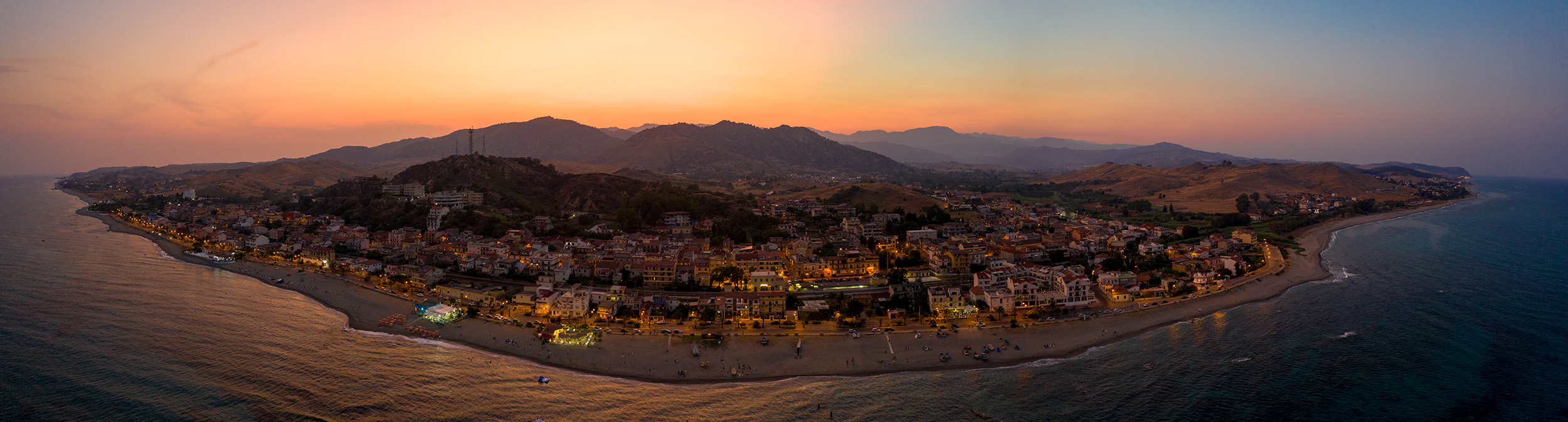
This is not the Tyrrhenian of hidden coves. It's the Tyrrhenian of space, sunset, wind, and smart logistics — excellent for kitesurfers, short stays, and travellers who want to switch sea or inland plans fast. Choose it on purpose.
Worth Knowing
Choose this coast for flexibility, not for cove collecting
If you need easy switching between beach, wind, airport logistics, and inland days, the Riviera dei Tramonti is excellent. If you want one famous hidden cove after another, it is not the right answer. Its advantage is tactical, not mythic.
Worth Knowing
The sunsets and shoulder season are part of the appeal
Aeolian-facing evening light, Stromboli views on a clear evening, and wide beach fronts make this a stronger late-day coast than it first appears. When Scirocco arrives it turns the inshore water flatter and more technical — treat the forecast as part of the experience, not as an obstacle.
Gizzeria is Calabria's main wind-sports shoreline. The north-west thermal setup regularly delivers 10 to 20 knots across Pesce e Anguille and Hang Loose Beach, and international kitesurfing culture has become part of the district's character. If wind is a reason you're here — not a side note — this is where to stay. The season runs from spring into early autumn.
The Beaches
Turrazzo, Falerna, Nocera, Acconia, and the Lamezia shore
Turrazzo sits under the panoramic edge of Capo Suvero. Falerna and Nocera are the easier family sectors. Acconia has more dune and pineta character, with pioneer vegetation stabilising the shoreline. The Lamezia coast is practical rather than romantic. This is a stretch built around usability and open horizon, not cove drama.
Nearby Trips
The Lamezia hinge
From this coast you can reach the airport, rail connections, inland towns, or the Ionian side with much less friction than from most other seaside districts. That makes the Riviera dei Tramonti the easiest coast for forecast-led planning — if the wind turns or plans change, you're never far from a better option.
Nearby Trips
Caronte and the Serra San Bruno side
A thermal-bath stop at Caronte or a day on the Serra San Bruno side fits naturally from here. That flexibility is especially useful for mixed-age or mixed-interest groups who need options beyond the beach.
Tyrrhenian · Vibo Valentia
Costa degli Dei
The Costa degli Dei is where first-time visitors usually feel the postcard promise pay off fast. Tropea, Capo Vaticano, and a dense sequence of coves and clear-water access points set among granite outcrops and white-tuff cliffs make the first impression very strong. It gets better still once you stop treating it as one main beach.
Worth Knowing
Early morning and late afternoon change everything
The best coves involve stairs, rock entry, boat logic, or crowd timing. Many visitors treat famous stops like Michelino, Praia i Focu, or Coccorino as places for every day and create unnecessary friction. Use them for targeted sessions and sleep somewhere with town life.
Worth Knowing
Riaci and Grotticelle are fragile — treat them that way
The Capocozzo and S. Irene marine-park logic covers the seabed around Tropea. Petri i Mulinu, the Riaci wreck zone, posidonia sectors, and fish-rich rocky seabeds reward targeted snorkelling and benefit from lighter-touch use, especially in peak summer.
Pizzo is the easiest northern place to stay — town life, family-capable beach sectors, and the Piedigrotta cave church nearby. Zambrone opens onto Paradiso del Sub and the Marinella bay, with white sand, granite rocks, and the Scoglio del Leone. Michelino, reached by around 200 steps down from Parghelia, splits into two bays and is the staircase-and-view classic of the northern stretch. Rocchetta near Briatico reveals the coast's more archaeological and granite-cut underwater character, including the submerged quarry zone of Petri i Mulinu.
The Beaches
Tropea, Cannone, Riaci, Grotticelle, Praia i Focu, and Coccorino
Tropea gives you the most complete stay, but the coast is really a sequence of accesses rather than one headline beach: the town beach, smaller Cannone, the Grotta dello Scheletro under the Island rock, Riaci's dramatic bay with marine caves and the U' Vapuri wreck at diving depth, Grotticelle's easier postcard water, hard-access Praia i Focu, and the quieter Coccorino side with Baia dei Gabbiani. The best strategy is to mix easy sectors with one or two targeted scenic ones and treat this as a snorkelling and boat coast, not only a bathing one.
Nearby Trips
Pizzo and Monte Poro
Even if you stay near Tropea or Ricadi, Pizzo and the Monte Poro plateau are worth an excursion: tartufo al cioccolato, 'nduja, Tropea onions, pecorino, and a slower inland pace that balances the polished beach image. This is one reason the coast holds up well for longer stays.
Nearby Trips
Zungri and the rock settlements
Zungri is the inland stop that proves the Costa degli Dei is not only about water colour. The carved-landscape counterpoint sits within easy reach of the beaches and makes a rewarding half-day when the shore feels crowded or you want something more unusual.
Tyrrhenian · Strait coast
Costa Viola
The Costa Viola is the right coast for travellers who want a maritime landscape with character rather than the easiest family mechanics. Scilla, Chianalea, Palmi, and the Strait all matter as much as the beach itself — this is a coast whose violet evening tones are linked to deep water, refraction, and Aspromonte relief.
Worth Knowing
The Strait is not neutral water
Currents, depth, and the cave geography — Grotta delle Sirene, Grotta delle Rondini, Grotta del Monaco, Grotta dell'Inferno with its mineral-red interior — all make the most sense from a boat. Local advice matters more on this coast than on softer ones. The water here is alive in ways that shape everything from temperature to fish density.
Worth Knowing
September is one of Calabria's best months on this coast
Because so much of the appeal lies in colour, light, and village atmosphere, late spring and early autumn are often more rewarding than the busiest summer weeks. The violet evening tones the coast is named for come through most clearly when the haze lifts.
The Beaches
Bagnara, Scilla, Chianalea, Cala delle Feluche, and Cannitello
Bagnara keeps the working swordfish-coast character — it is not a resort, and that is part of its appeal. Scilla is one of Calabria's most complete waterfront compositions: Marina Grande for bathing, Cala delle Feluche and Chianalea for the village-and-boat scene, the castle above, and Cannitello for the pure Strait-current experience. Promenade, meal, village, and swim belong to the same day here, and the moving water of the Strait is part of the character, not an inconvenience.
The Beaches
Tonnara, Rovaglioso, Cala Janculla, and Porelli
Tonnara is the easier entry point around Palmi, marked by the Scoglio dell'Ulivo. Rovaglioso adds spring-fed rocky drama and steep stepped access. Janculla is the harder-access classic — reached by sea or old Tracciolino trail logic — while Porelli, also remembered locally as Grama, keeps the coast's urban-and-wild duality alive. If you want atmosphere and accept that effort is part of how this coast still feels raw, this northern cluster is where you start.
Nearby Trips
Reggio Calabria and the Bronzi di Riace
A Costa Viola stay should include Reggio for the museum, the Bronzi, and a walk along the Lungomare Falcomatà, described by Gabriele D'Annunzio as the most beautiful kilometre in Italy. The museum day feels native here — it does not feel like leaving a beach holiday behind, because the whole coast is already deeply historical.
Nearby Trips
Aspromonte, Gambarie, and Pentedattilo
Forest air, mountain viewpoints, and far-south inland drama sit unusually close behind this coast. Gambarie and the Aspromonte park make a powerful counterpoint to the heavy marine atmosphere, and Pentedattilo — the ghost-village perched on eroded rock — is one of Calabria's most visually striking inland trips.
Ionian · Southern Locride and Grecanica
Costa dei Gelsomini
The Costa dei Gelsomini is for travellers who want space, lower pressure, and a beach holiday that can absorb archaeology, Grecanica villages, and conservation themes without losing its beach pace. It is one of Italy's most important Caretta caretta nesting coasts, and that ecological work shapes the whole experience.
Worth Knowing
The turtle story is not branding
On the Costa dei Gelsomini some beaches are valuable precisely because they stay less built and less manipulated. The park protection between Capo Bruzzano and Punta di Spropoli matters. Public turtle-release events belong to local life here, not to staged tourism. Expect looser services in exchange for a truer coast.
Worth Knowing
Choose north, centre, or far south on purpose
Roccella suits central Locride trips; the southern edge is better for Grecanica and bergamot-country logic. The coast is too long to treat as one interchangeable strip, even if the SS 106 makes movement easier than on more broken coastlines. Some stretches stay surprisingly empty in high season.
The Beaches
Capo Bruzzano, Ferruzzano, Brancaleone, Spropoli, and the southern wild sectors
These are the more elemental parts of the coast: Capo Bruzzano's tidal pools, Ferruzzano and Agliastro's looser beach services, Brancaleone's protected turtle-nesting significance, and the moonlike Spropoli and Palizzi landscape where white sand and Pliocene calanchi meet the sea. Facilities are deliberately lighter here — that is not a deficiency, it is the cost of a shoreline that stays genuinely wild.
The Beaches
Roccella Ionica, Riace, Bova Marina, and the central Locride
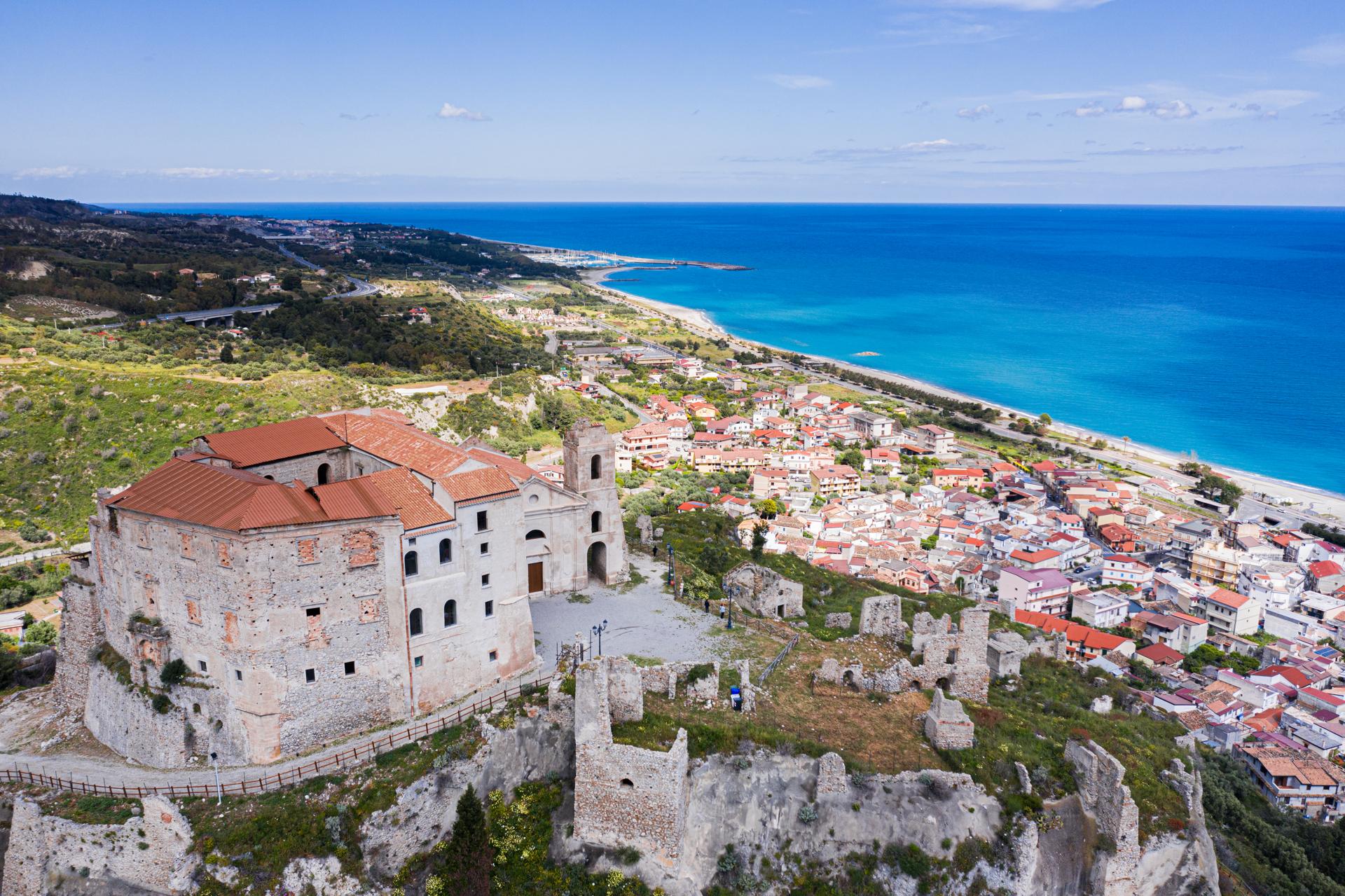
Roccella is the easiest all-rounder on the coast — a wide sandy beach below a ruined clifftop castle. Riace carries the wider story of the Bronzi discovery. Bova Marina adds the Deri archaeological site. The Riace and Bova stretch is the practical answer if you want one usable place to stay that still connects to villages and archaeology without requiring too many moves along a very long coast.
Nearby Trips
Locri Epizefiri and Gerace
The central coast pairs beautifully with Locri and Gerace: major archaeology below, one of Calabria's most intact hill towns and a Norman-Byzantine cathedral above. It is one of the region's best sea-plus-history combinations and happens within a short drive of the beach.
Nearby Trips
Bova, Grecanica, and the far-south culture
If you stay on the southern half of the coast, the Greco-Calabrian villages are essential. They add language, ritual, and the living Griko-speaking world, changing the entire reading of the beach holiday. This is one of the best reasons to choose this district over an easier resort coast.
Ionian · Gulf of Squillace and Catanzaro
Costa degli Aranci
The Costa degli Aranci solves competing needs unusually well: practical beach use, beautiful water around the Stalettì coves, and serious culture within ordinary day-trip range. It is one of Calabria's easiest recommendations for mixed-interest groups or visitors who want flexibility without sacrificing quality.
Worth Knowing
Stay in Soverato, drive to the coves
Many visitors do best sleeping where the promenade and services are best, then driving short distances to the Stalettì coves for the highest-quality water sessions. The Cassiodoro sector and Pietragrande are better as targeted outings than as everyday places to stay. You do not need one place to do every job.
Worth Knowing
When the Ionian turns rough, the Tyrrhenian is 45 minutes away
The isthmus at Catanzaro is one of Calabria's narrowest points. When the Ionian turns rough under east-side wind, this is the easiest coast from which to defect temporarily to the Tyrrhenian side. That tactical flexibility matters more than most first-time visitors expect.
The Beaches
Caminia, Copanello, Pietragrande, Soverato, Montepaone, and Badolato Marina
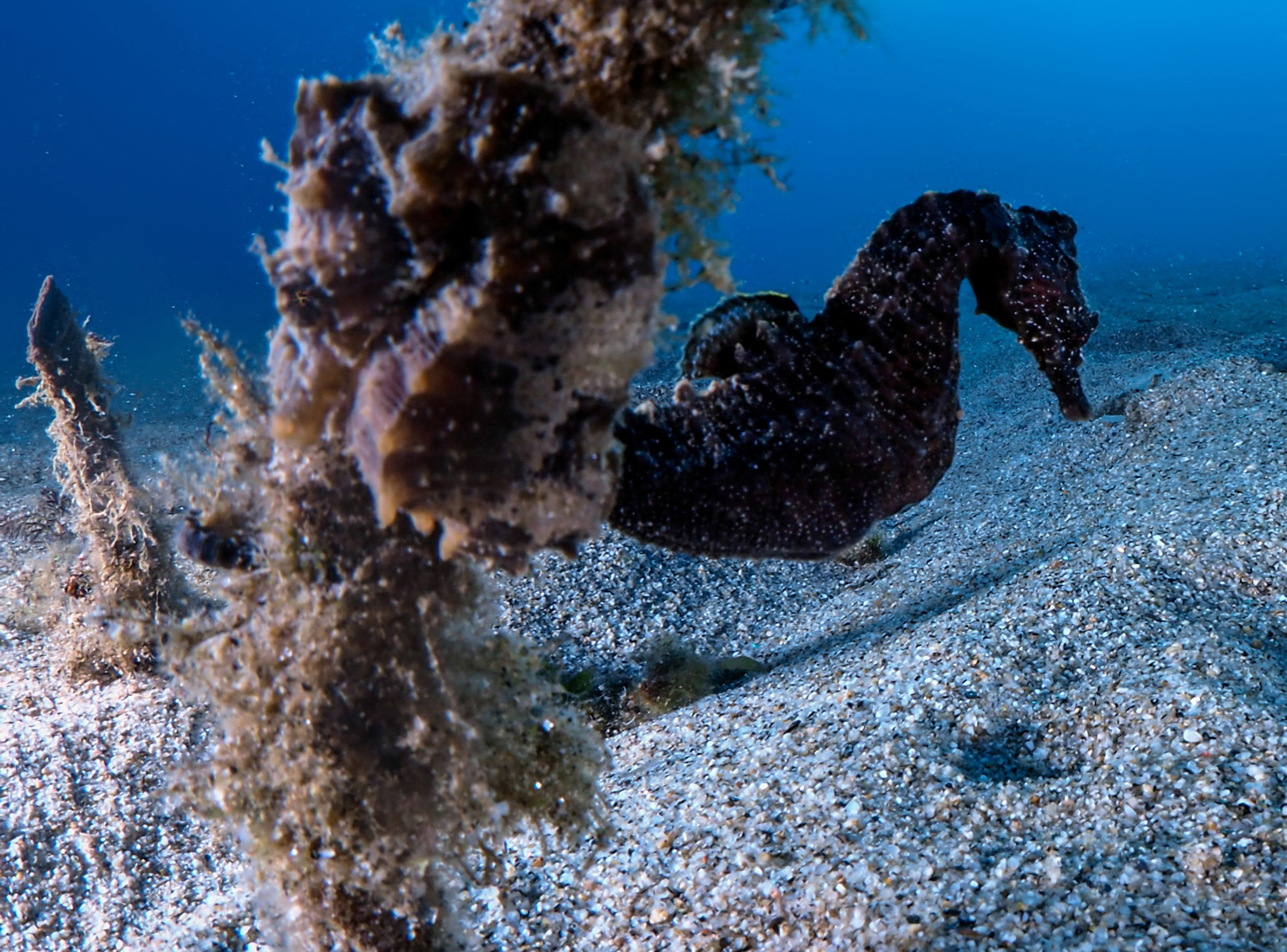
Caminia and Copanello are the scenic core, organised around the Stalettì promontory. The Grotta di San Gregorio and the Vasche di Cassiodoro give the headland a swim-and-history logic — Cassiodorus's old fish pools have become warm natural basins and snorkelling-friendly archaeological water. Pietragrande adds rock-and-view drama and a sunrise reputation. Soverato and the Baia dell'Ippocampo bring marine biodiversity: seahorse habitat and occasional dolphin. Montepaone and Badolato Marina stretch the coast south into a longer sequence of Ionian towns, oleander-lined seafront, and the Kaulon-and-lighthouse threshold at Punta Stilo.
The Beaches
Sellia Marina, Giovino, Squillace Lido, and the northern sectors
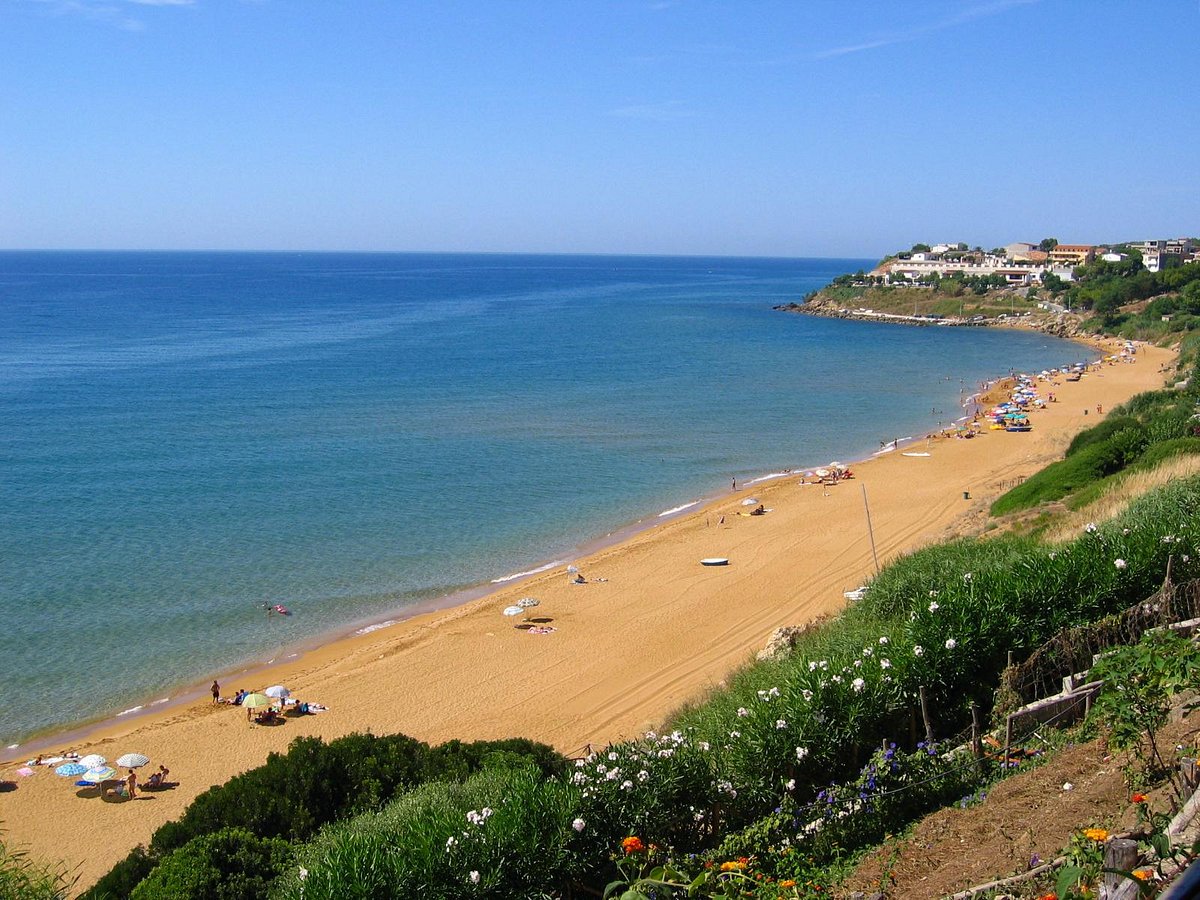
These are the practical beaches: long sand, easy daily use, and room for families or groups who do not want every swim tied to stairs or small coves. Squillace Lido is the natural midpoint between easy family mechanics and the historic town above, one of the oldest inhabited sites in Calabria. Easy sea below, deep history above: that pairing is one of the coast's underrated strengths.
Nearby Trips
Scolacium and the Gulf of Squillace
Scolacium is the coast's great archaeological counterweight — an ancient city with surviving remains and a strong park atmosphere. It turns a beach holiday into a proper culture itinerary without much extra driving and is one of Calabria's highest-return half-day stops.
Nearby Trips
Taverna, Catanzaro, and Serra San Bruno
Art in Taverna, urban culture in Catanzaro, and monastic woods at Serra San Bruno all sit close enough to make this coast unusually versatile for mixed-interest groups. That range — snorkelling in the morning, museum or forest in the afternoon — is one of the district's biggest strengths.
Ionian · Crotonese
Costa dei Saraceni
The Costa dei Saraceni makes most sense as a whole territory: marine park, Le Castella, Capo Colonna, open Ionian beaches, red-clay shorelines, and the Cirò wine country all reinforce each other. Choose it for a clear sense of place and structure, not for the softest possible beach holiday.
Worth Knowing
Don't let Le Castella dominate the whole stay
Le Castella alone can dominate the imagination, but the district reads much better once you combine it with quieter marine-park sectors and one open northern beach. Underwater archaeology, submerged quarry traces, and protected-water snorkelling genuinely deepen the beach story here.
Worth Knowing
Expect more sun, exposure, and wind than on the Tyrrhenian
The flatter shoreline and open Ionian light make heat and wind bigger factors than on the cliffier western coast. Steccato di Cutro is more a wind beach than a castle-and-snorkel stop, and the clay-rich sectors around Isola Capo Rizzuto have their own slightly surreal mud-bath ritual. Morning swims and structured mid-day breaks matter.
The Beaches
Le Cannella, Spiaggia Rossa, Le Castella, and the marine-park coast
Protected-water stops around Capo Rizzuto reward snorkelling and boat perspective. Le Cannella, Spiaggia Rossa, Curmo, and Cavallucci show the coast's mineral and clay-rich side, including the red-beach colour that marks parts of the district. Scifo and Torre di Scifo add another archaeological marker before Le Castella and Capo Colonna — with the surviving Hera Lacinia column — deliver the district's best-known landmark experiences. This essential cluster makes most sense together with the Capo Rizzuto marine reserve.
The Beaches
Cirò Marina, Punta Alice, Torre Melissa, and the northern wine coast
The northern sectors are broader and easier for repeated beach use. Punta Alice and Torre Melissa have long sands and enough infrastructure for a workable week, and direct access to one of Calabria's best wine districts is a genuine advantage — Cirò wine country is not a side trip, it's the neighbourhood.
Nearby Trips
Capo Colonna, Scifo, and the Crotone museum
The archaeological park, Scifo sector, and the Crotone museum circuit explain why the shoreline feels historically charged before you even start reading the beaches in detail. The submerged quarry near Le Castella and the wider marine park add an underwater-archaeology dimension that few Italian coasts can match.
Nearby Trips
Cirò wineries and the Crotonese interior
This coast improves quickly once you add vineyards, inland food stops, and a little time away from the sun-heavy shoreline. It is especially good in shoulder season or late afternoon, when the heat softens and the wine logic makes more sense.
Ionian · Sibaritide and northern Ionian
Costa degli Achei
The Costa degli Achei is Calabria's easiest long-stay beach coast for families, but it is not generic. Broad beaches on the Sibari plain sit between Pollino-facing and Sila-facing hinterlands, while Sibari, Rossano, Corigliano, Roseto, and the hill-town edge make it one of the richest sea-plus-culture districts in the region.
Worth Knowing
Pick this coast when daily beach mechanics matter more than cove drama
If your trip needs broad sand, gentle entry, and low-friction family routines, the Costa degli Achei is one of Calabria's smartest choices. Laghi di Sibari, the plain resorts, and the longer promenades around Trebisacce make the coast unusually forgiving to use day after day.
Worth Knowing
The inland side keeps this coast from feeling generic
Travellers who never leave the sand miss one of the densest cultural hinterlands in the region. Sibari, Rossano, Corigliano, and the Pollino edge sit close enough to fold into any stay without turning the holiday into a road trip. That payload is what makes this coast release-worthy rather than generic.
The Beaches
Rocca Imperiale, Roseto Capo Spulico, Scoglio del Cervaro, and Montegiordano
The northern edge has more fortress-and-threshold character than the plain centre. Rocca Imperiale and Spiaggia San Nicola are the soft-entry family gateway. Scoglio del Cervaro adds the rougher snorkel-and-dive note. Roseto delivers the coast's most memorable image: the sea-and-castle pairing below the landmark Incudine rock, with the Aragonese fortress rising directly from the cliff above. Montegiordano keeps the built silhouette part of the shoreline reading rather than just backdrop.
The Beaches
Amendolara, Villapiana, Sibari, Laghi di Sibari, Schiavonea, Pietrapaola, and Trebisacce
This is where the coast becomes Calabria's classic family answer: long sandy and pebbly sectors, gentle entry, and enough town or resort infrastructure to support a full week without friction. Laghi di Sibari has its own lagoon-and-pontoon logic; Trebisacce holds the promenade life and Blue Flag routine; quieter Pietrapaola and the Schiavonea fish-market character show the coast as a lived place rather than a resort strip. Broad, reliable, and easier to use day after day than most alternatives.
Nearby Trips
Parco Archeologico della Sibaritide
Sibari is the essential counterweight to the beach stay and one of the best reasons to choose this district for a longer holiday. The excavations are extensive and the site gives the whole plain a historical depth that makes the beach feel like the surface of something much older.
Nearby Trips
Rossano, Corigliano, Morano, and the hill-town edge
The Codex Purpureus in Rossano, the Amarelli liquirizia story, the castle at Corigliano, and the Pollino-facing towns toward Morano, Civita, and Cerchiara give the coast a depth that many easier beach districts lack. This is where the Costa degli Achei becomes much more than a family coast.
Common questions
Beach questions, answered
Choosing a coast
Eight named coasts, two seas, nearly 800 kilometres. Here's how to narrow it down.
01What's the difference between the Tyrrhenian and Ionian coasts?
The Tyrrhenian side is cliffier, more cave-cut, and more dramatic visually — coves, arches, harder access, clearer symbolic imagery. The Ionian is broader, calmer, and generally easier for families and longer stays. Both have excellent swimming; the choice depends on what else you need from the trip.
02Which coast is right for a first visit to Calabria?
The Costa degli Dei (Tropea area) delivers the easiest emotional payoff for first-timers: polished towns, beautiful water, recognisable scenery. But if you have more than a week, the Costa degli Aranci (Soverato and Stalettì area) is often the more satisfying all-round choice — it combines good beaches with archaeology, rewarding day trips, and more flexible logistics.
03Which coasts are best for families with young children?
The Costa degli Achei (Sibaritide, Trebisacce, Sibari plain) is Calabria's easiest family coast — broad sands, gentle entry, good infrastructure. The Costa degli Aranci is close behind. On the Tyrrhenian, the Riviera dei Cedri has family sectors at Praia and Santa Maria del Cedro, though the coast's more dramatic stops involve access effort that younger children may find difficult.
04I want peace and lower crowds — where should I go?
The Costa dei Gelsomini (southern Locride and Grecanica) is consistently lower-density than the Tyrrhenian and stays emptier longer into high season. Parts of the Costa dei Saraceni north of Le Castella also see less pressure than the Capo Rizzuto headline stops. Both reward visitors who are willing to navigate a longer, less packaged coast.
The water
Snorkelling, swimming, currents, and where the sea looks best — by coast.
01Where is the clearest water in Calabria?
The Costa degli Dei around Tropea and Capo Vaticano consistently delivers the brightest visual payoff — white sand or granite seabed, shallow coves, and good transparency. Paradiso del Sub at Zambrone and the Riaci sector are especially clear. On the Ionian, the Capo Rizzuto marine reserve around Le Castella is the best protected-water answer.
02Are there good snorkelling spots?
Several coasts have specific snorkelling sites worth targeting. The Riviera dei Cedri has Isola di Dino and the Scogli di Isca WWF reserve near Amantea. The Costa degli Dei has Paradiso del Sub at Zambrone, the U' Vapuri wreck near Riaci, and the submerged quarry zone of Petri i Mulinu near Briatico. Capo Rizzuto on the Costa dei Saraceni is the most established marine-park snorkelling zone on the Ionian.
03Which coasts have strong currents or difficult sea conditions?
The Costa Viola (Strait of Messina coast) is the most technically demanding — currents are strong, the water is deep, and conditions change more than on the Ionian. Some coves require boat access. Beginners or families with young children should treat it differently from a standard bathing coast. Local advice matters more here than anywhere else in Calabria.
04Is it safe to swim everywhere?
Generally yes on marked bathing beaches, but conditions vary significantly by coast and cove. On the Costa Viola and the harder-access Tyrrhenian coves, access difficulty and currents are real factors. On the Ionian, turtle-nesting areas on the Costa dei Gelsomini have restrictions in season. Always check local beach signage and ask locally about conditions before entering unfamiliar water.
Planning the stay
Practical questions about when to go, where to stay, and how to get around.
01When is the best time to visit Calabria's beaches?
July and August are the busiest and hottest months, with peak crowds on famous beaches like Tropea. Late June and September are often the best choices: good water temperature, lower crowds, and easier access to coves that become very congested in August. The Ionian coast is generally calmer and easier in shoulder season than the Tyrrhenian.
Yes, for most beach stays a car is almost essential. The SS 106 runs the length of the Ionian coast and makes movement between sectors relatively easy. On the Tyrrhenian, the A3 motorway and coastal roads connect the main towns, but many of the best coves and beaches require short drives from wherever you stay. Public transport connects major towns but will not get you to the more scenic beaches.
03Is it better to stay in one place or move around?
For a first visit, staying in one place with day trips almost always works better than moving every day. Choose a coast section that suits your priorities, pick a town with the right infrastructure, and use the car for targeted beach sessions at more scenic stops. The Costa degli Aranci, Costa degli Dei, and Costa degli Achei are the easiest options for this style of trip.
04How crowded do the famous beaches get in August?
Tropea, Arcomagno, and a handful of other headline beaches become very busy in August — parking is difficult, the best coves need early arrival, and service infrastructure is at full capacity. If you're visiting in August, arriving early (before 9am for the best coves) and researching less-visited alternatives on the same coast will improve the experience significantly.
Beyond the beach
Day trips, inland pairings, and the non-beach reasons to choose each coast.
01Which coast has the best inland pairings?
The Costa degli Achei has the densest cultural hinterland — Sibari archaeology, Rossano with the Codex Purpureus, Corigliano castle, and Pollino national park. The Costa degli Aranci is close behind, with Scolacium, Taverna (Mattia Preti paintings), Catanzaro, and Serra San Bruno accessible as half-day trips. Both reward visitors who treat the beach holiday as the starting point for a wider Calabrian stay.
02Are there good mountain destinations near the beach coasts?
Yes. Pollino national park sits immediately behind the Riviera dei Cedri and the Costa degli Achei — rafting, canyon scenery, and mountain villages within an hour of the beach. Aspromonte is close behind the Costa Viola. The Sila plateau is reachable from several Ionian coasts. The distance is short enough in each case to treat a mountain day as a weather escape or a mid-week change of pace.
03What's the best coast for a mix of beach and archaeology?
The Costa degli Achei (Sibari) and the Costa dei Saraceni (Capo Colonna, Crotone) are the most direct sea-plus-archaeology answers. The Costa degli Aranci adds Scolacium and the Vasche di Cassiodoro — ancient Roman fish vivaria that have become warm natural pools you can actually swim in. That combination of water and history in a single site is one of the most unusual in southern Italy.
04What's worth doing in the evening from a beach base?
Evening life varies by coast. Tropea has the richest late-day town culture — promenade, restaurants, views from the cliff. Scilla on the Costa Viola is one of Calabria's most atmospheric evening stops. Soverato on the Costa degli Aranci has a strong promenade culture and youth-oriented nightlife. On the Ionian, smaller towns like Brancaleone or Roccella Ionica offer quieter, more local evenings. Match the night mood to the beach choice — they are usually the same character.


 calabriastraordinaria.it
 calabriastraordinaria.it
 calabriastraordinaria.it