In Calabria the food character often comes from the plateau, plain, village, or mountain belt sitting behind the shoreline, so each coast section mixes immediate specialities with the inland stops that actually complete the table.
If you're staying on the northern Tyrrhenian, the main food thread is cedro. The page makes most sense through sweets, preserves, pepper culture and a few pleasant town stops, rather than through one single blockbuster dish.
Good Stops
Santa Maria del Cedro
Best stop if you want to connect the place to the fruit, not just see the name on a menu.
Good Stops
Diamante
Worth an unhurried walk for shops, aperitivo hour and the pepper thread that runs through the town.
Good Stops
Festival del Peperoncino
If your dates line up, this is the northern Tyrrhenian's best food event.
Good Stops
Cedro products to bring home
Candied peel, liqueurs and sweets are the souvenirs that make the most sense here.
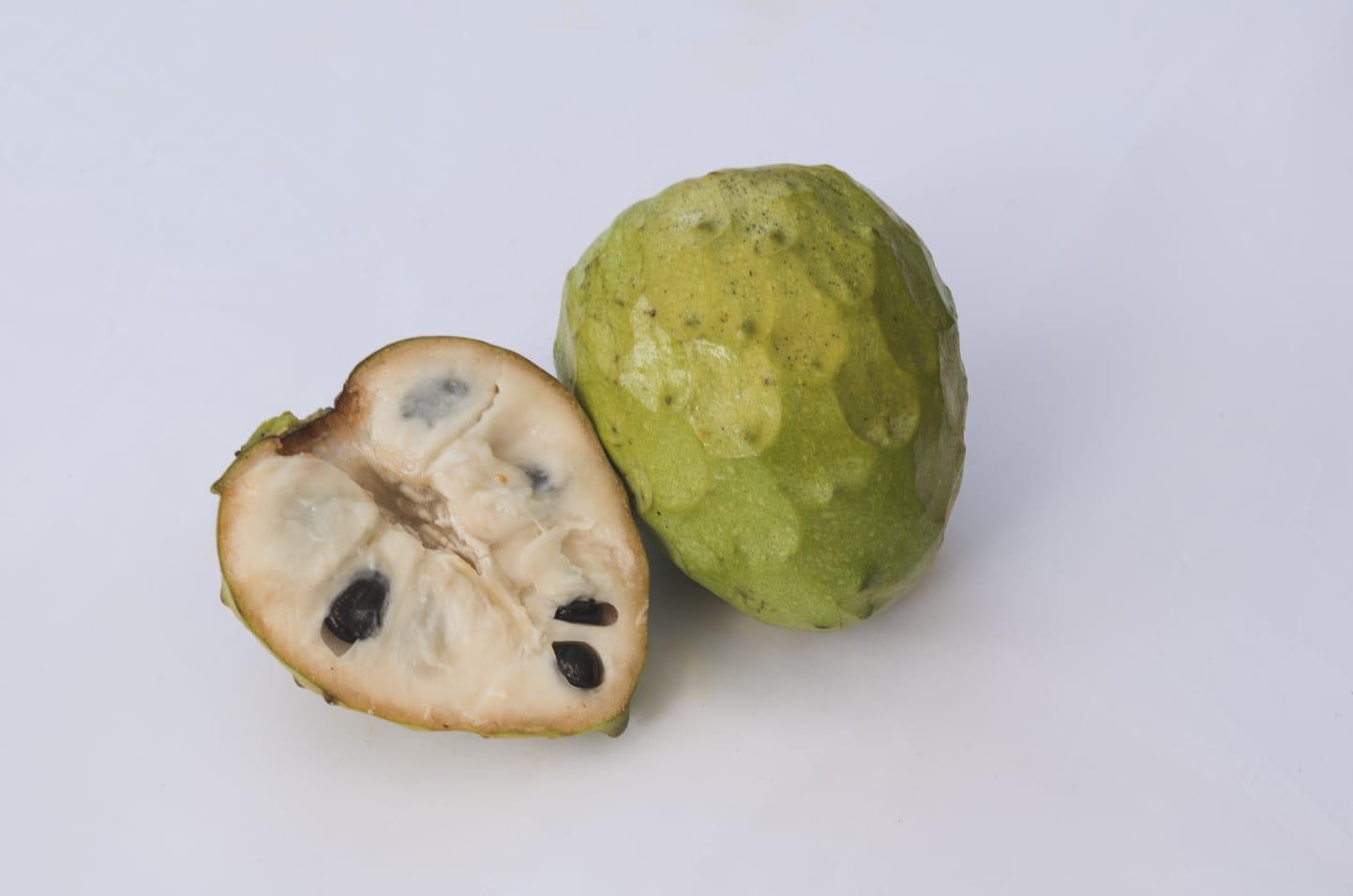
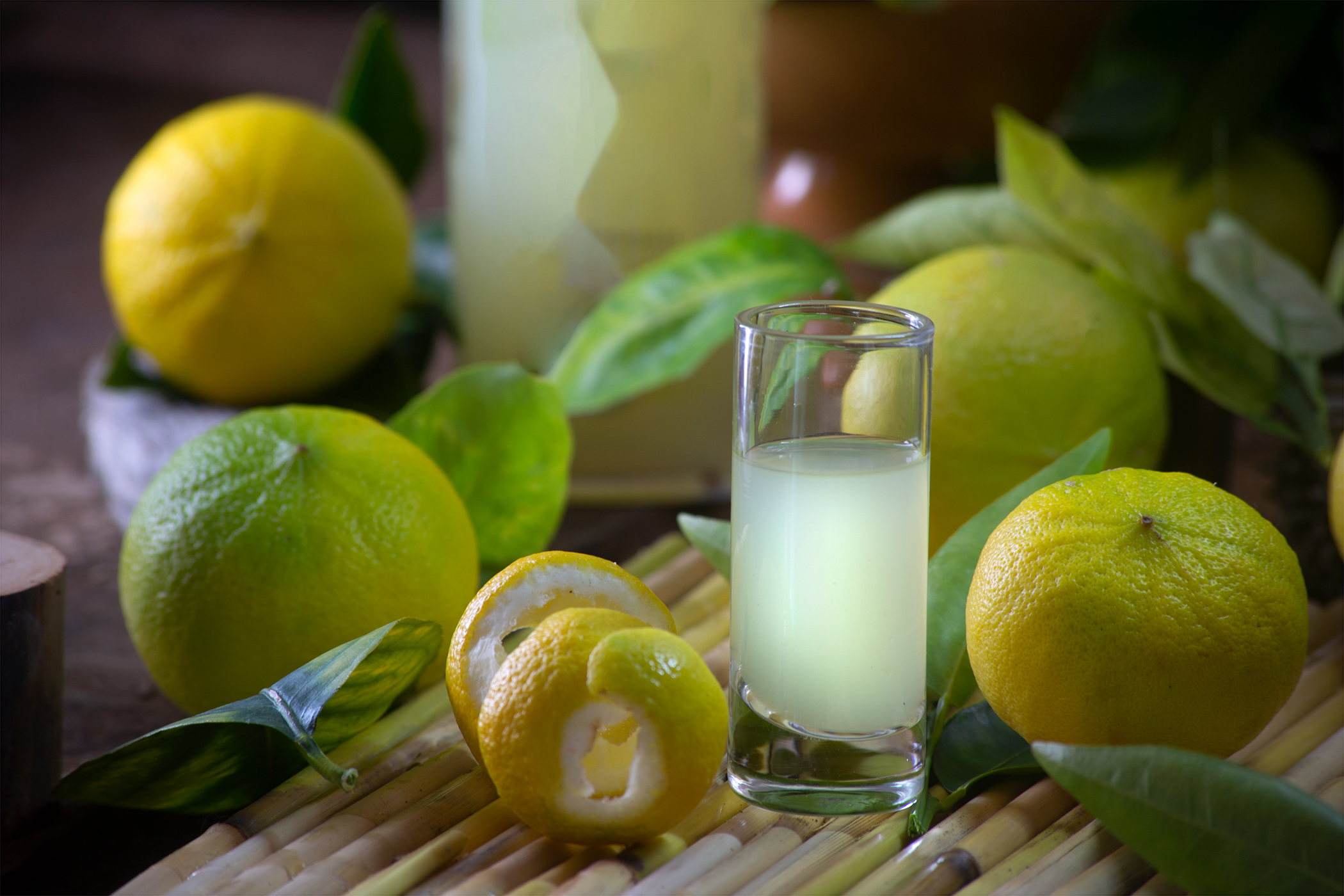
Cedro makes most sense in candied peel, pastries, creams and bottles. That is how visitors actually meet it here.
Worth Knowing
Cedro di Santa Maria del Cedro DOP
The signature product of the area and the reason Santa Maria del Cedro matters so much, even if you experience it more in sweets than as a fruit to eat plain.
Worth Knowing
Peperoncino di Diamante
More pantry icon than single dish, but still part of the atmosphere around Diamante and its summer food culture.
Cedro makes most sense in candied peel, pastries, creams and bottles. That is how visitors actually meet it here.
Worth Knowing
Cedro di Santa Maria del Cedro DOP
The signature product of the area and the reason Santa Maria del Cedro matters so much, even if you experience it more in sweets than as a fruit to eat plain.
Try First
Panicielli
If you find them, order them. These small baked parcels with raisins and candied cedro are the most distinctive sweet bite on this stretch.
Try First
Panicielli
If you find them, order them. These small baked parcels with raisins and candied cedro are the most distinctive sweet bite on this stretch.
Worth Knowing
Peperoncino di Diamante
More pantry icon than single dish, but still part of the atmosphere around Diamante and its summer food culture.
Tyrrhenian · Gulf of Sant'Eufemia
Riviera dei Tramonti
If you're staying around the Gulf of Sant'Eufemia, think less bucket-list dish and more good oil, honest trattoria food and short drives inland for chestnuts and bread culture.
Good Stops
Lamezia Terme oil territory
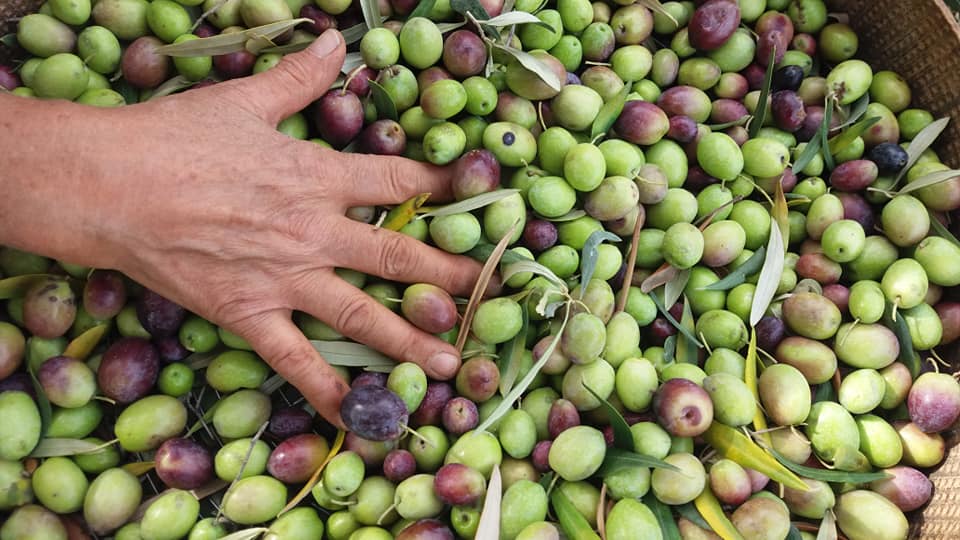
The most worthwhile food stop here, especially if you like mills, producers and anything olive-oil-led.
Good Stops
Serrastretta
A good inland stop for bread culture, chestnuts and a more old-fashioned mountain table.
Good Stops
Serre Catanzaresi
A welcome cooler-day excursion when you want to trade the beach for forests, local products and slower lunches.
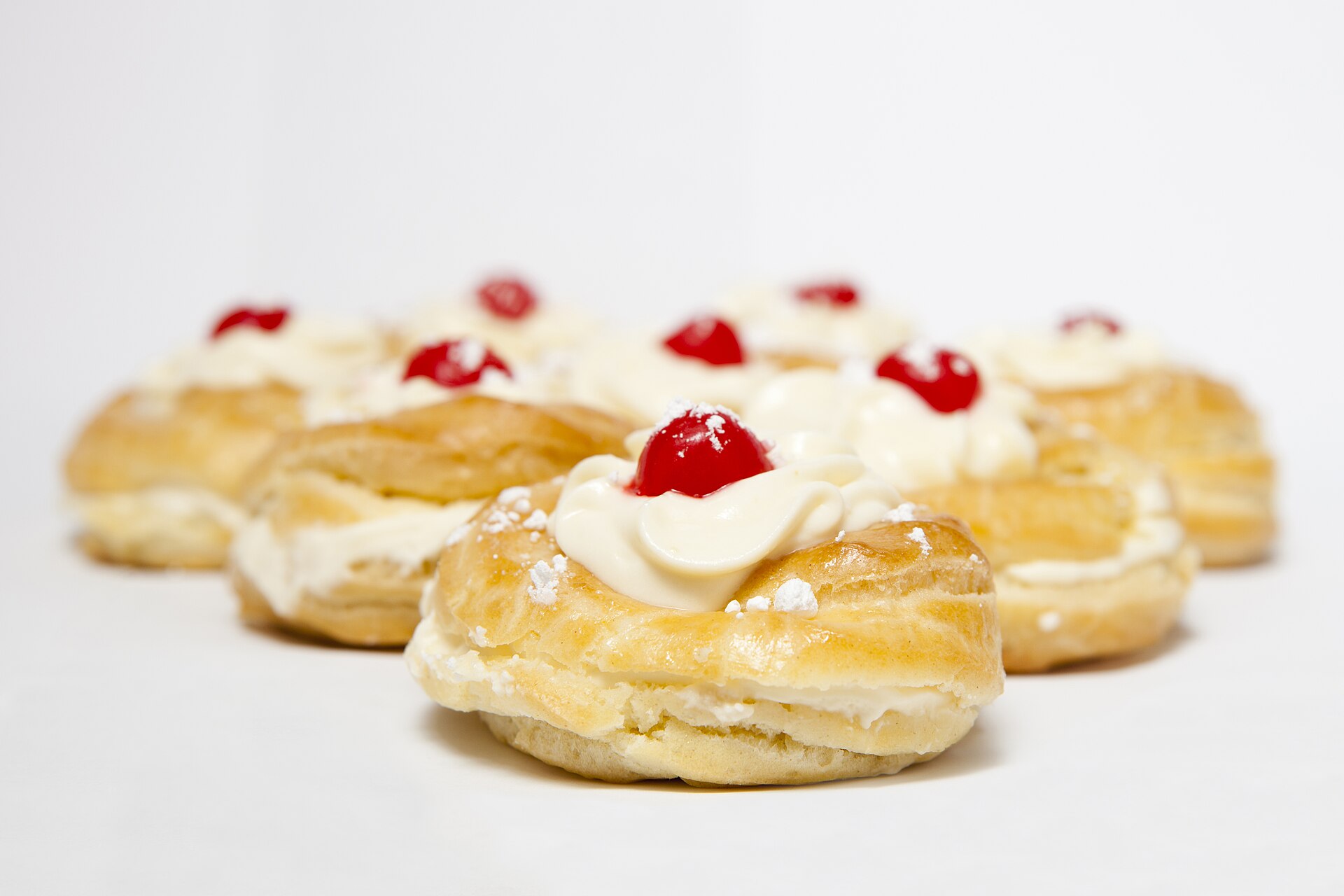
A feast-day pastry to look for around Lamezia Terme: soft dough fried until puffed, finished with sugar and often filled with cream, custard or other sweet mixtures. It belongs especially to Saint Joseph's Day, but it is the kind of bakery stop that makes this coast feel warmer and more lived-in.
A feast-day pastry to look for around Lamezia Terme: soft dough fried until puffed, finished with sugar and often filled with cream, custard or other sweet mixtures. It belongs especially to Saint Joseph's Day, but it is the kind of bakery stop that makes this coast feel warmer and more lived-in.
The key food reference here, and the product that explains why this area matters more than it first seems.
Try First
Lagane e ceci with local oil
A simple plate, but exactly the right kind for this area: pasta, chickpeas and olive oil doing most of the work.
Try First
Chestnut-linked mountain products
Desserts, flour, rustic dishes and autumn menus are where the inland side of this stretch becomes interesting.
Worth Knowing
Ancient grains and bread around Serrastretta
A quieter note, yet one of the things that gives this area character beyond the beach.
Try First
Lagane e ceci with local oil
A simple plate, but exactly the right kind for this area: pasta, chickpeas and olive oil doing most of the work.
Try First
Chestnut-linked mountain products
Desserts, flour, rustic dishes and autumn menus are where the inland side of this stretch becomes interesting.
Worth Knowing
Carolea olive culture
Good context if you want to understand the everyday table, not just the special-occasion dishes.
Worth Knowing
Chestnut traditions of the Serre
More seasonal than headline-grabbing, but part of what gives the inland visits real flavour.
Worth Knowing
Ancient grains and bread around Serrastretta
A quieter note, yet one of the things that gives this area character beyond the beach.
Tyrrhenian · Vibo Valentia
Costa degli Dei
If you're staying between Tropea, Capo Vaticano and Pizzo, this is the happiest, easiest part of Calabria to eat your way around. The names are famous, the drives are short, and the rewards are immediate.
Good Stops
Pizzo old town and gelaterie
Go in the late afternoon, walk the town, and have tartufo there rather than as a random dessert elsewhere.
Good Stops
Spilinga
The right stop if you want 'nduja to mean more than a jar bought at the supermarket.
Good Stops
Monte Poro
Worth the drive for cheese, views and a better sense of the rural side behind the beaches.
Good Stops
Tropea onion braids and food shopping
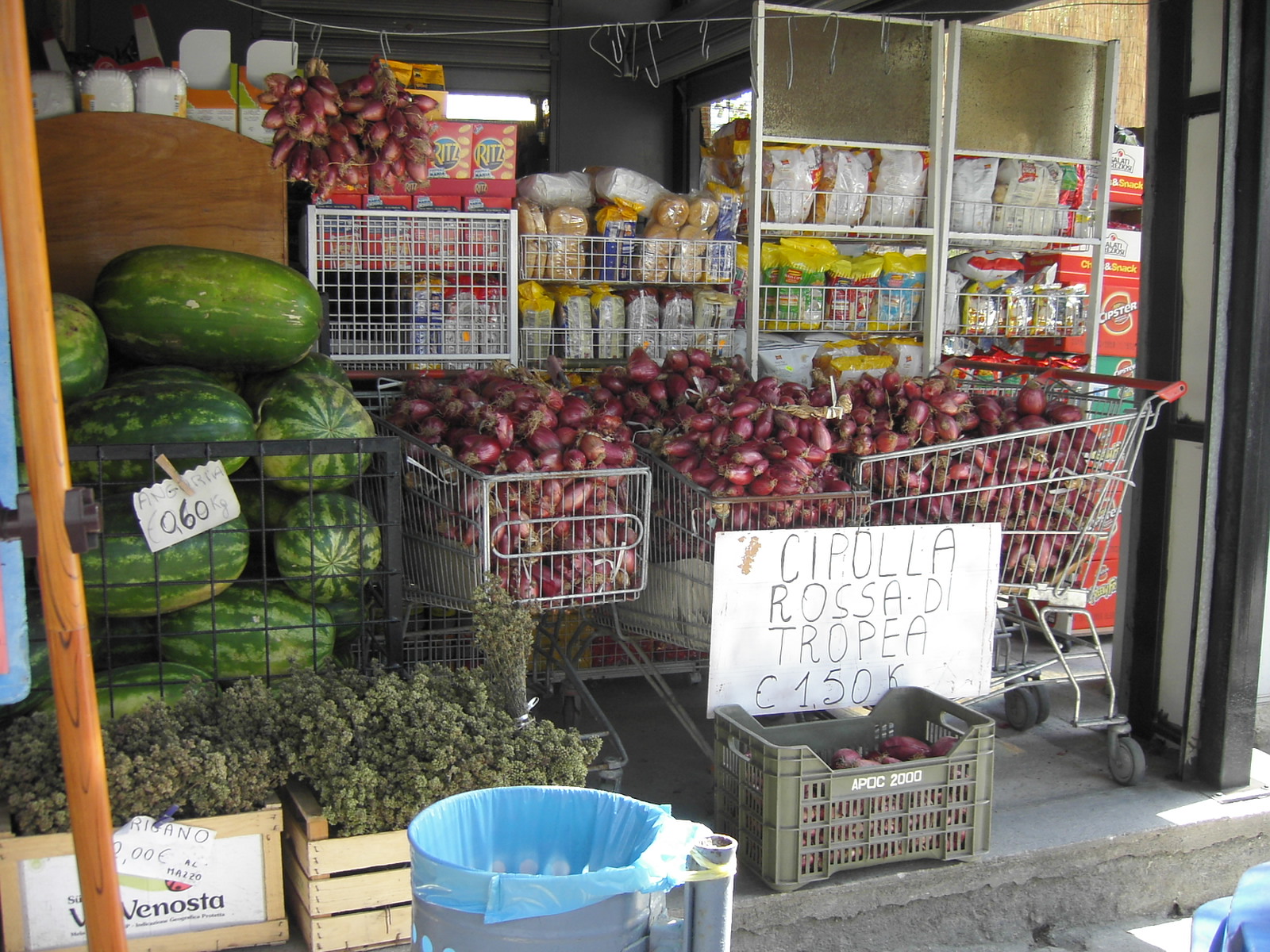
One of the rare local icons that also works well as something to bring home.
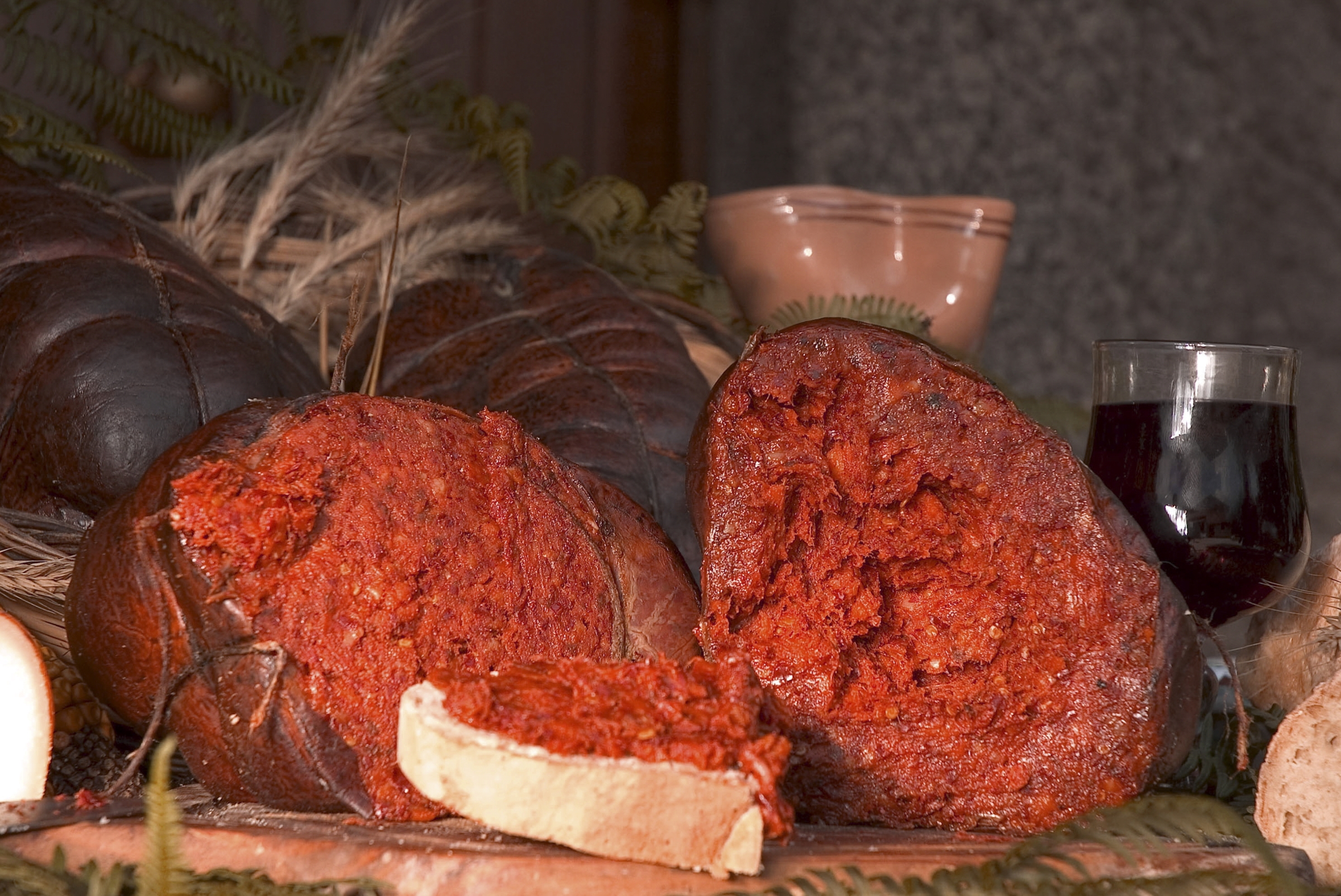
Try it on bruschetta, pizza or pasta, where the spicy, spreadable salume actually comes alive.
Try First
Pecorino del Monte Poro
Seek it out on a cheeseboard, at a producer or in a shop before heading back to the beach.
Worth Knowing
'nduja di Spilinga
The name to know behind the dishes, jars and menus that make this stretch so recognisable.
Worth Knowing
Pecorino del Monte Poro DOP
The formal name behind one of the best food stops in the Vibo inland.
Tyrrhenian · Strait coast
Costa Viola
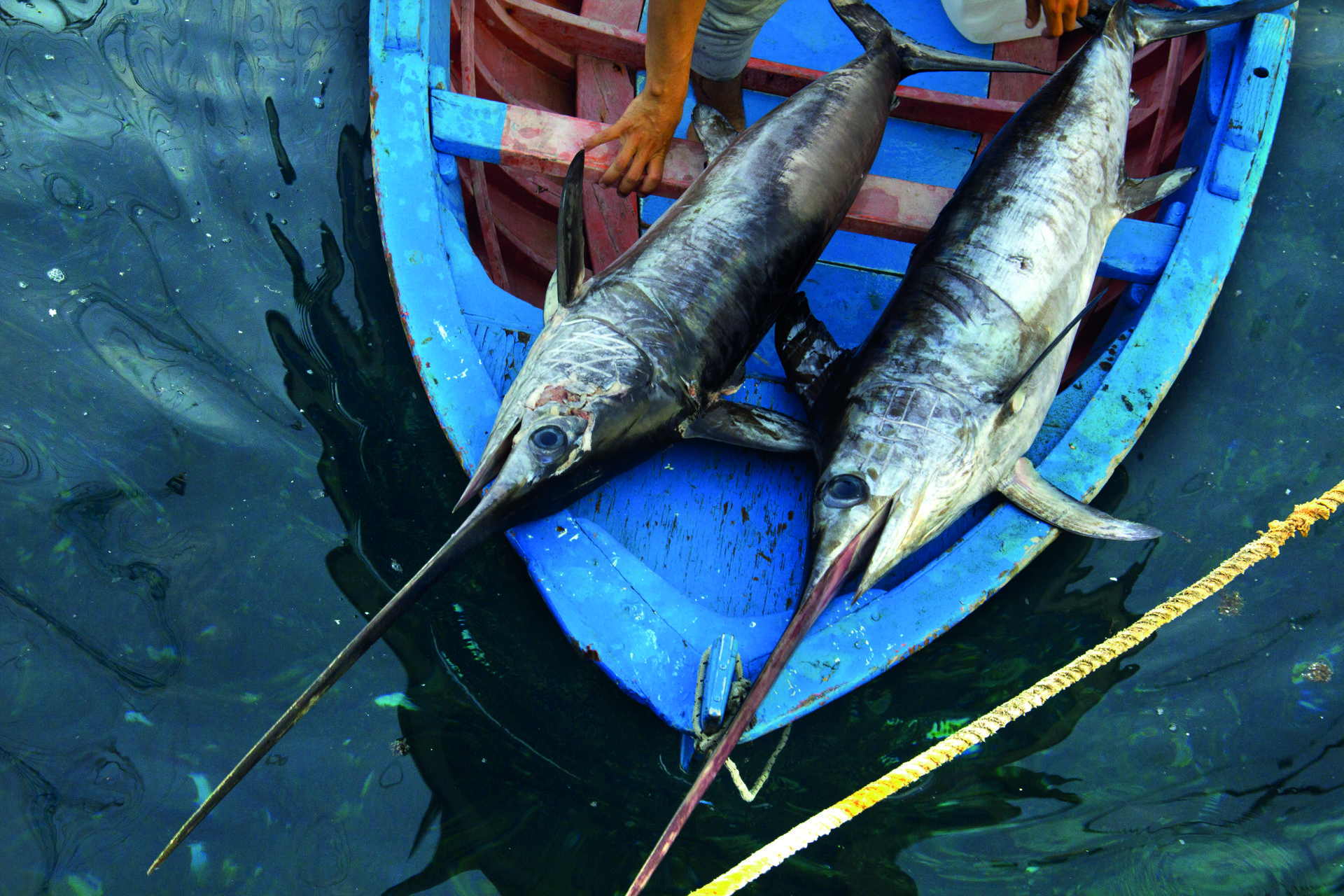
This is the stretch for people who want seafood with a real sense of place. The swordfish tradition is the headline, but Reggio's citrus and sweet side keep the picture from feeling one-note.
Good Stops
Scilla and Chianalea
The best setting for turning the swordfish tradition into an actual lunch or dinner outing.
Good Stops
Reggio bergamot shops
Good for tasting, buying and understanding how bergamot enters the food world.
Good Stops
Villa San Giovanni for piparelle
A small but memorable stop if you want something local after all the fish.
This is where bergamot stops being perfume lore and becomes something you can actually taste.
Try First
Piparelle
Dry, almondy and very local, they make sense either with coffee or as something to take away.
Worth Knowing
Bergamotto di Reggio Calabria DOP
The essential name behind the citrus thread that runs through this part of Calabria.
Worth Knowing
Swordfish and the feluca tradition
Worth knowing because the appeal is not just what lands on the plate, but the fishing culture behind it.
Ionian · Southern Locride and Grecanica
Costa dei Gelsomini
If you're staying on the southern Ionian, the most interesting meals are often inland. Mammola, the Grecanic area and the Aspromonte edge do more of the work than the seafront itself.
Good Stops
Mammola
The trip to make if you want a meal people actually remember.
Good Stops
Cittanova
Useful alongside Mammola if you want to follow the stocco trail a little further.
Good Stops
Grecanic and Aspromonte villages
Worth keeping in mind when you want the day to feel more local and less beach-bound.
Good Stops
Musulupare craft tradition
A good detail to look for if you enjoy seeing how food and craft still overlap.
Good Stops
Stocco events and local festivals
If one happens during your stay, it is the best excuse to build a day around food here.
Part of the wider food culture of the Reggio area, even when your real reason to move is elsewhere.
Try First
Musulupu
A fresh sheep-and-goat cheese with a delicate taste and much more character than its quiet reputation suggests.
Worth Knowing
Easter frittata with Musulupu
More tradition than everyday tourist target, but a nice glimpse of how deeply the cheese belongs here.
Try First
Musulupu
A fresh sheep-and-goat cheese with a delicate taste and much more character than its quiet reputation suggests.
Worth Knowing
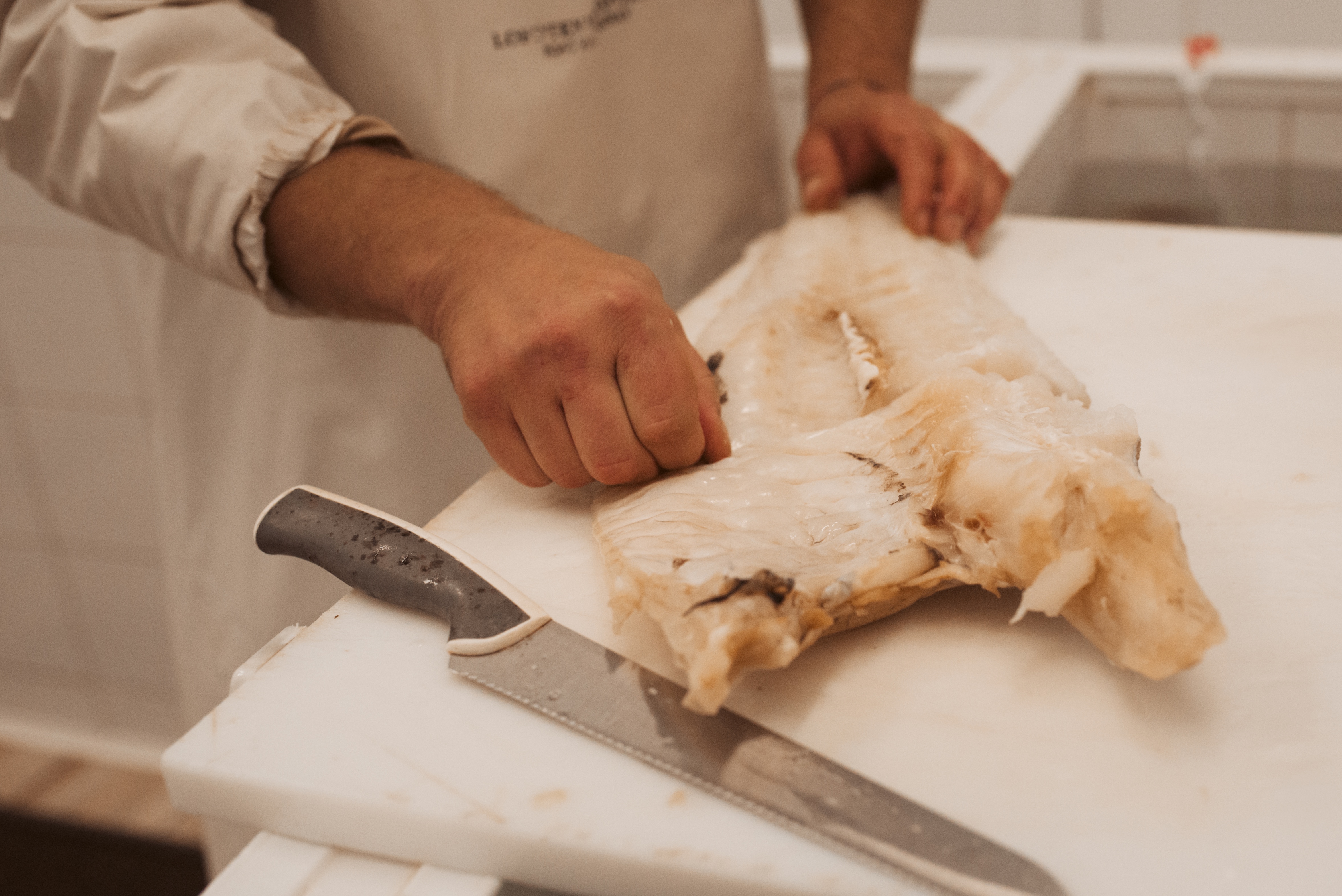
Stoccafisso di Mammola PAT
The name behind the dish, and the reason the Mammola trip carries real weight.
Worth Knowing
Musulupu dell'Aspromonte PAT
The formal product name behind one of the most unusual cheeses in Calabria.
Worth Knowing
Easter frittata with Musulupu
More tradition than everyday tourist target, but a nice glimpse of how deeply the cheese belongs here.
Ionian · Gulf of Squillace and Catanzaro
Costa degli Aranci
If you're staying around Soverato or the Gulf of Squillace and want one food experience with real local character, head for Catanzaro. This page is narrower than the others, but it has one very good card to play.
Good Stops
Historic morzellerie in Catanzaro
Worth seeking out on purpose rather than leaving to chance.
Good Stops
Catanzaro old-town food stop
An easy half-day plan if you want to put one proper local meal into a beach holiday.
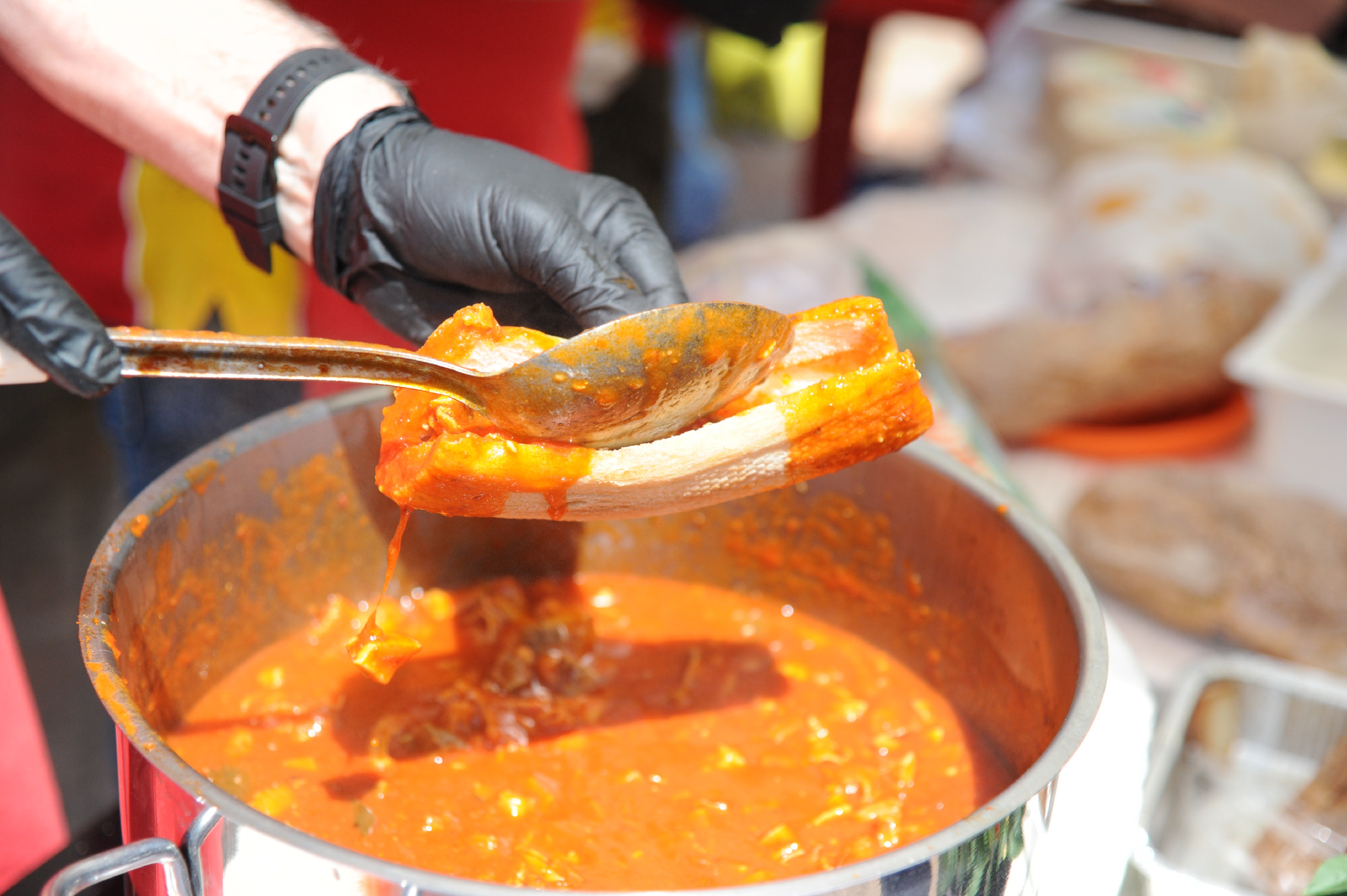
The classic way to have it, because the bread is part of the ritual, not just the container.
Worth Knowing
Morzello as Catanzaro ritual
Helpful context because this dish still feels tied to a specific city and its habits, not just to a generic regional menu.
Worth Knowing
Morzello as Catanzaro ritual
Helpful context because this dish still feels tied to a specific city and its habits, not just to a generic regional menu.
Try First
Morzello
Spicy, rich and unmistakably Catanzaro. If you are curious about local street food, this is the thing to order.
Ionian · Crotonese
Costa dei Saraceni
If you like the feeling that several good food threads belong to the same part of Calabria, this is one of the easiest pages to read. Wine, bread, cheese and spicy pantry flavours all line up well.
Good Stops
Cirò wineries
The most obvious inland stop, and one of the best ways to turn a beach day into something fuller.
Good Stops
Cutro bakeries
Worth a stop if you care about bread and want something more specific than a generic bakery run.
Good Stops
Marchesato inland pantry
Good to keep in mind if you like places where the beach opens onto a whole agricultural backdrop, not just one product.
A quieter product reference, but a good one if you like the more agricultural side of the Crotonese.
Try First
Pecorino Crotonese DOP
A strong sheep's-milk cheese and one of the most satisfying things to seek out on this side of Calabria.
Try First
Pane di Cutro
A bread with enough personality to justify a stop of its own.
Try First
Sardella
Fiery, salty and unapologetically local, it is one of the boldest flavours on the Ionian side.
Try First
Pecorino Crotonese DOP
A strong sheep's-milk cheese and one of the most satisfying things to seek out on this side of Calabria.
Try First
Pane di Cutro
A bread with enough personality to justify a stop of its own.
Try First
Sardella
Fiery, salty and unapologetically local, it is one of the boldest flavours on the Ionian side.
Worth Knowing
Gaglioppo and Cirò DOC culture
Good background when you want the winery visits to feel rooted rather than interchangeable.
Ionian · Sibaritide and northern Ionian
Costa degli Achei
If you're staying in the Sibaritide, there is more food depth nearby than the long beaches first suggest. The best reasons to move are Rossano liquorice, Cerchiara bread, fig sweets and, on longer stays, the Sila pantry.
Good Stops
Rossano and Fabbrica Amarelli
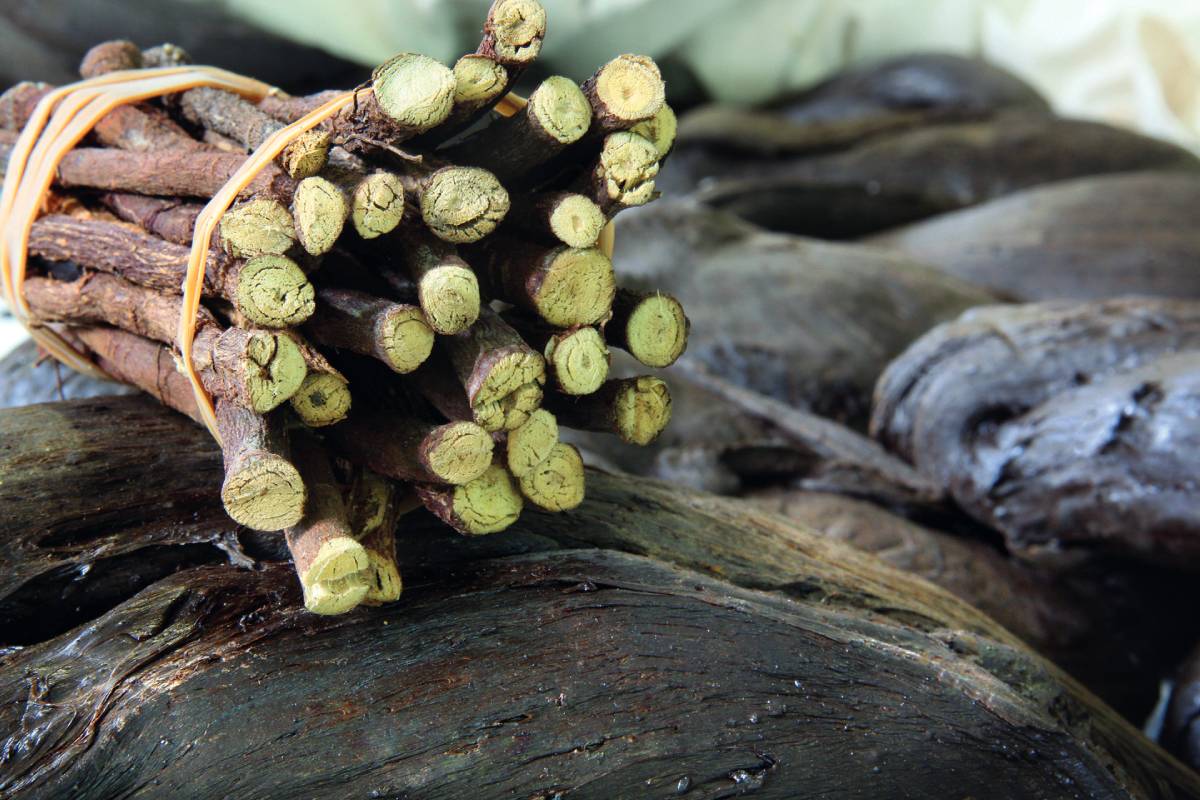
The stop to make if you want to understand why liquorice matters here, and the easiest place to bring some home.
Good Stops
Cerchiara
Worth the drive for its bread, especially if you want one lunch stop that feels rooted in the inland side of the province.
Good Stops
Sila food stops
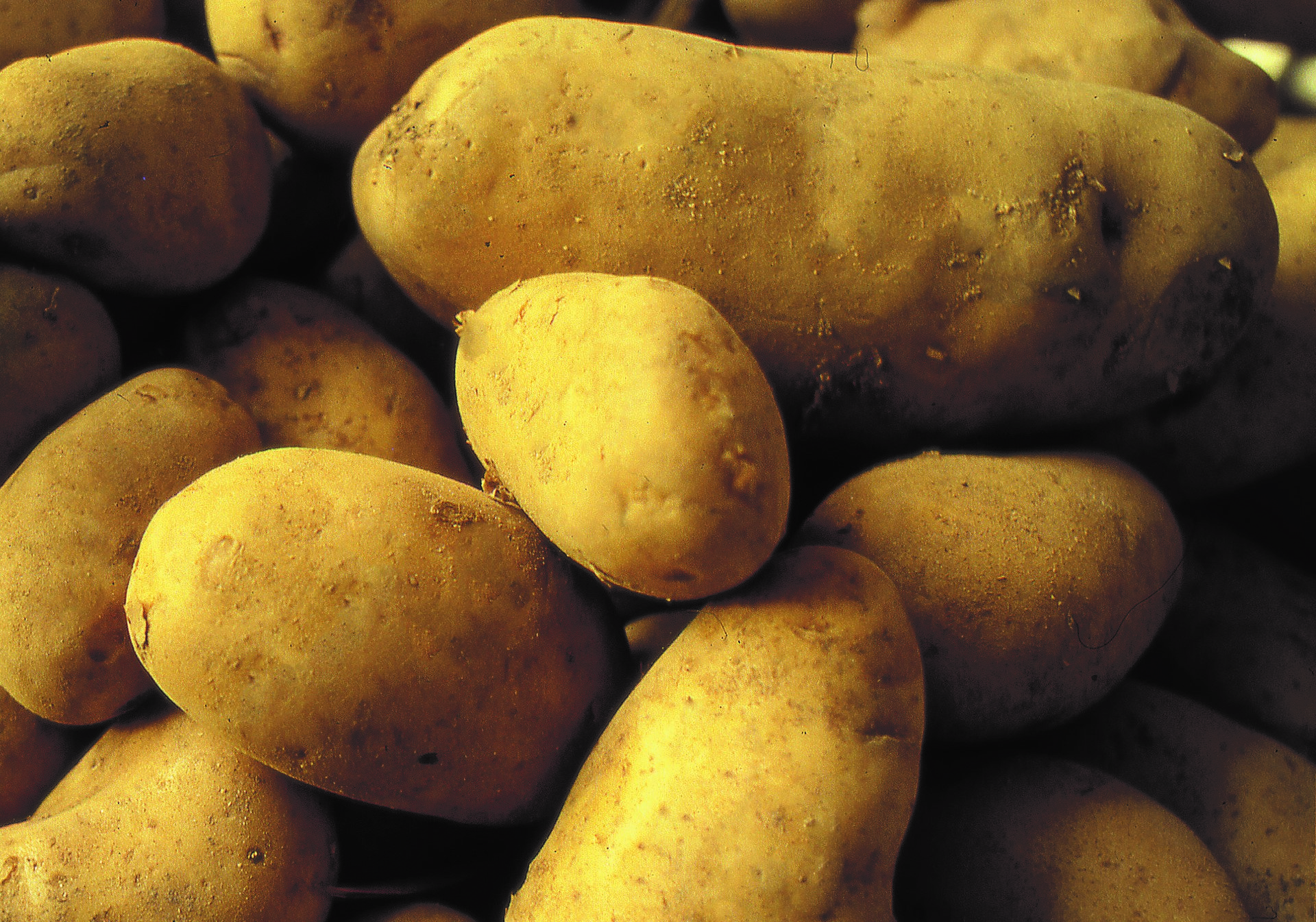
Best saved for longer stays, when you feel like trading the beach for potatoes, cheese, mushrooms and cooler air.
Good Stops
Fig products to bring home
Dried figs and fig sweets are the most giftable food souvenir on this side of Calabria.
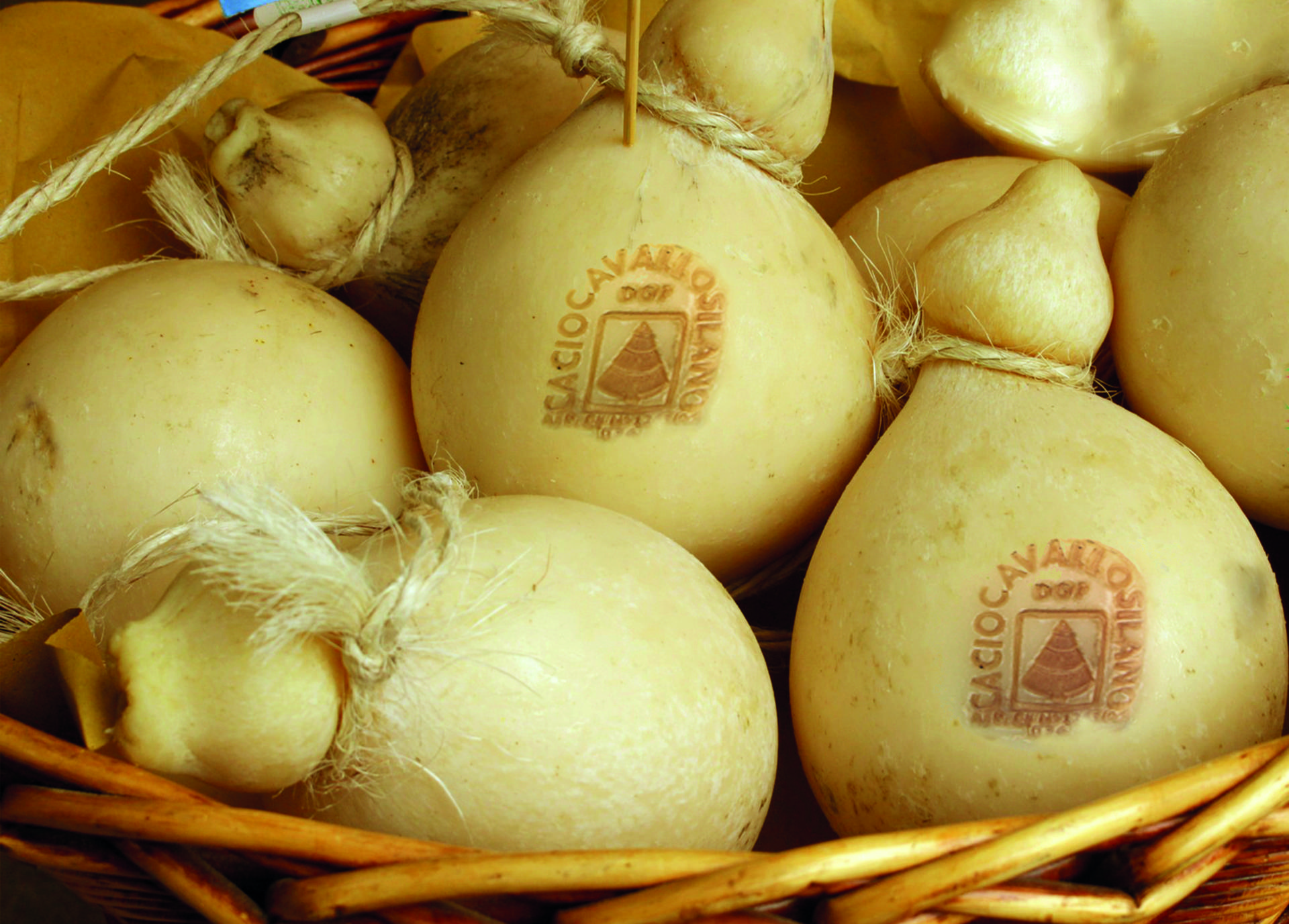
A standout cheese, excellent ordered grilled as an antipasto or with local jams before dessert.
Worth Knowing
Liquirizia di Calabria DOP
The formal product name behind Rossano's signature food stop.
Worth Knowing
Fichi di Cosenza DOP
Good context for the dried figs and sweets you actually see and taste.
Worth Knowing
Caciocavallo Silano DOP
The formal name behind one of the most worthwhile additions if you head toward the Sila.
Worth Knowing
Northern Cosenza bread culture
Worth knowing because this whole area makes more sense through its breads, sweets and product towns than through one iconic seaside dish.
Food questions
What people want to know before they eat
The Calabrian table
What makes Calabrian food different from other Italian regional cooking — and what you need to know before you arrive.
01What is Calabrian food known for, and how is it different from other Italian cooking?
Calabrian cuisine is built on a handful of strong ideas — preserved pork, dried chilli, aged cheese, coastal fish, wild herbs — refined over centuries of relative isolation. Unlike the richer, butter-based kitchens of northern Italy or the tomato-forward plates of Naples, Calabria is more austere and direct: less about technique, more about ingredient. The defining signature is peperoncino, which runs through almost everything from cured meats to pasta sauces to condiments. The second strong thread is 'nduja, a spreadable, fire-red salume from Spilinga that has become one of Italy’s most exported food products in the past decade. Beyond the famous names, Calabrian food is coastal and highland at the same time: the same coast section might offer fresh swordfish in the afternoon and slow-cooked mountain pork a short drive inland. That dual nature — sea and plateau in one day — is what separates a food trip to Calabria from almost anywhere else in Italy.
02Is Calabrian food very spicy, and can you avoid the heat if you want to?
Calabrian food is the spiciest of Italy’s regional cuisines, but that does not mean everything is aggressively hot. Peperoncino appears as background heat in many dishes — enough to notice, not enough to overwhelm — and in its sharpest form in 'nduja, certain sausages, and some pasta sauces. Most restaurants accommodate requests for less heat, and large parts of the table — fresh pasta, seafood dishes, cheeses, sweets, bread, and most vegetable preparations — carry little or no chilli at all. The spice tradition is also deeply local: in Diamante, which celebrates itself as the Italian peperoncino capital, the presence is unavoidable. Elsewhere, particularly on the Ionian side, heat is subtler. The honest answer is that Calabrian food has more chilli than almost anywhere in Italy, but it is not a cuisine defined entirely by heat. Peperoncino is its most distinctive seasoning, used with more intention than brute force.
03When is the best time of year to eat in Calabria?
Calabria is worth visiting for food in any season, but the table changes significantly throughout the year. Summer brings the freshest seafood, Tropea onions at their sweetest, aubergine preparations, and local food festivals — including the Festival del Peperoncino in Diamante in early September. Autumn is the most generous inland season: chestnuts, mushrooms, fresh olive oil pressing, and the pig-butchering traditions that produce 'nduja and the cured meats the region is famous for. Winter is when you find the most traditional slow-cooked dishes — morzello in Catanzaro, stocco preparations in Mammola — served in local restaurants that do not open in summer at all. Spring offers wild greens, new-season cheeses, and a coast empty enough to move around freely. If food is a primary reason for your trip, September and October are often the richest months.
04What role does the Calabrian inland play in the food, and is it worth the drive?
A significant one — and it is easy to miss if you only stay on the coast. Calabria’s food identity is shaped as much by the Aspromonte, the Sila plateau, and the Pollino massif as by the sea. These upland zones are where the pork-curing tradition lives, where aged sheep’s and goat’s cheeses like Musulupu and Pecorino del Monte Poro are made, where Caciocavallo Silano ripens in cool cellars, and where ancient bread-baking and chestnut cultures survive in villages largely untouched by tourism. Many of the region’s DOP and IGP products come from these highlands, not from the coast. The practical consequence: eating well in Calabria almost always means combining beach days with at least one or two short drives inland — rarely more than 30 to 45 minutes from any coastal base. This guide calls out the specific stops worth the detour for each coast section.
The names worth knowing
A closer look at the products and dishes that make the biggest impression — and what you actually need to know before you order them.
01What is 'nduja and what is the best way to eat it?
'nduja (pronounced en-DOO-ya) is a spreadable, heavily spiced pork salume made in Spilinga, a small inland town on the Costa degli Dei. Its texture is soft enough to spread like butter — it is made from fatty cuts mixed with large quantities of Calabrian red chilli, which gives it both its characteristic colour and its heat. It is one of Italy’s most imitated food products and one of the very few Italian cured meats to have genuinely entered mainstream cooking in English-speaking countries, where it appears on pizzas, in pasta sauces, and on charcuterie boards. In Calabria, the best way to meet it is on a bruschetta — grilled bread, a generous smear — or stirred into a simple tomato sauce just before serving, where the fat melts and the heat blooms. Buying a well-sealed jar in Spilinga itself rather than at a motorway stop makes a noticeable quality difference, and it travels well in luggage as long as it is properly sealed.
02What is Tartufo di Pizzo and is the reputation justified?
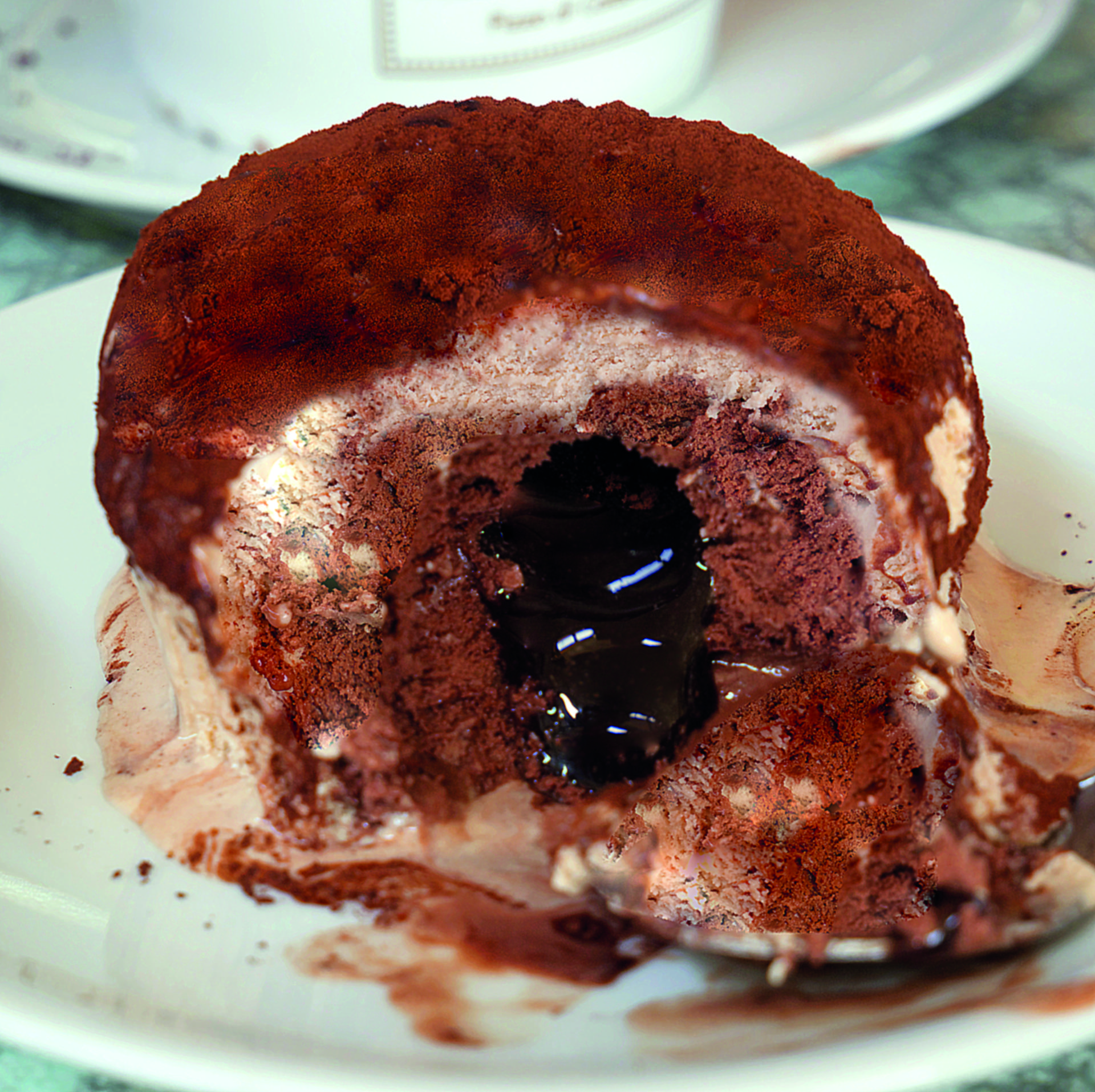
The Tartufo di Pizzo is an ice cream dessert invented in the 1950s in Pizzo Calabro, a cliff-top town on the Costa degli Dei. The classic version is a sphere of chocolate and hazelnut ice cream with a molten chocolate core, dusted in cocoa. It is deeply unfussy, intensely satisfying, and has a strong claim to being the single most famous sweet in Calabria. The reputation is justified — particularly when eaten in Pizzo itself, where several of the original gelaterie still make it by hand and where sitting on the main piazza with a Tartufo feels completely different from eating a supermarket version. Go in the late afternoon, walk the town first, and eat it there rather than treating it as a souvenir dessert elsewhere.
03What is bergamot and why does Calabria produce most of the world’s supply?
Bergamot is a citrus fruit — roughly orange-sized, greenish-yellow when ripe, deeply aromatic — whose peel oil is the key ingredient in Earl Grey tea and in high-end perfumery. Around 90 to 95 percent of the world’s bergamot is grown in a narrow coastal strip around Reggio Calabria on the Costa Viola, because the local microclimate — warm Tyrrhenian coast, specific soil conditions, Aspromonte behind it — produces fruit with a richer essential oil profile than anywhere else tried. As food, bergamot is less common than its fame suggests: it is too bitter to eat fresh, but it enters the Calabrian table in pastries, marmalades, liqueurs, and local confectionery. In Reggio, bergamot-flavoured sweets, teas, and creams are widely available and make intelligent souvenirs — they are specific to that stretch of coast in a way that most food gifts are not.
04What is the Tropea red onion and why is it so famous across Italy?
The Cipolla Rossa di Tropea Calabria IGP is a sweet red onion grown in the coastal strip around Tropea, Capo Vaticano, and Ricadi on the Costa degli Dei. Its fame comes from an unusually mild flavour — low in pyruvic acid, which is what makes most onions sharp — making it edible raw without the harshness you would expect from a raw onion. Sweeter, more delicate, and more versatile than standard red onions, it appears in almost every local preparation: raw in salads and on bruschetta, in onion jams, in pasta sauces, stuffed and baked, and braised as a side. The braids of dried Tropea onions hanging in shops around the town are visually distinctive and genuinely useful to bring home — they keep well and are one of the few Calabrian food souvenirs that changes how you cook at home. The IGP designation means the growing zone is legally protected, so what you buy in Tropea itself is the real article.
Eating from a beach base
Practical answers for travellers who are staying at the beach and want to eat well without over-planning.
01Can you eat well just staying on the Calabrian coast, or do you need to drive inland?
Both approaches work, but they reach different things. The coast gives you good seafood, local trattorias, and the more tourist-facing products — you can eat very well without leaving. But the most interesting table in almost every coast section is a short drive inland: that is where 'nduja is made (Spilinga, about 20 minutes from Tropea), where the stocco alla Mammolese tradition lives (45 minutes from the Ionian shore), where Pecorino del Monte Poro is aged above Tropea, and where bread cultures, chestnut dishes, and the preserved pork tradition survive as daily practice rather than tourist performance. Most coast sections have at least one strong inland stop within 30 to 45 minutes. This guide covers those detours specifically for each stretch — the ones worth the drive are called out clearly.
02What makes a good quick lunch at the Calabrian coast?
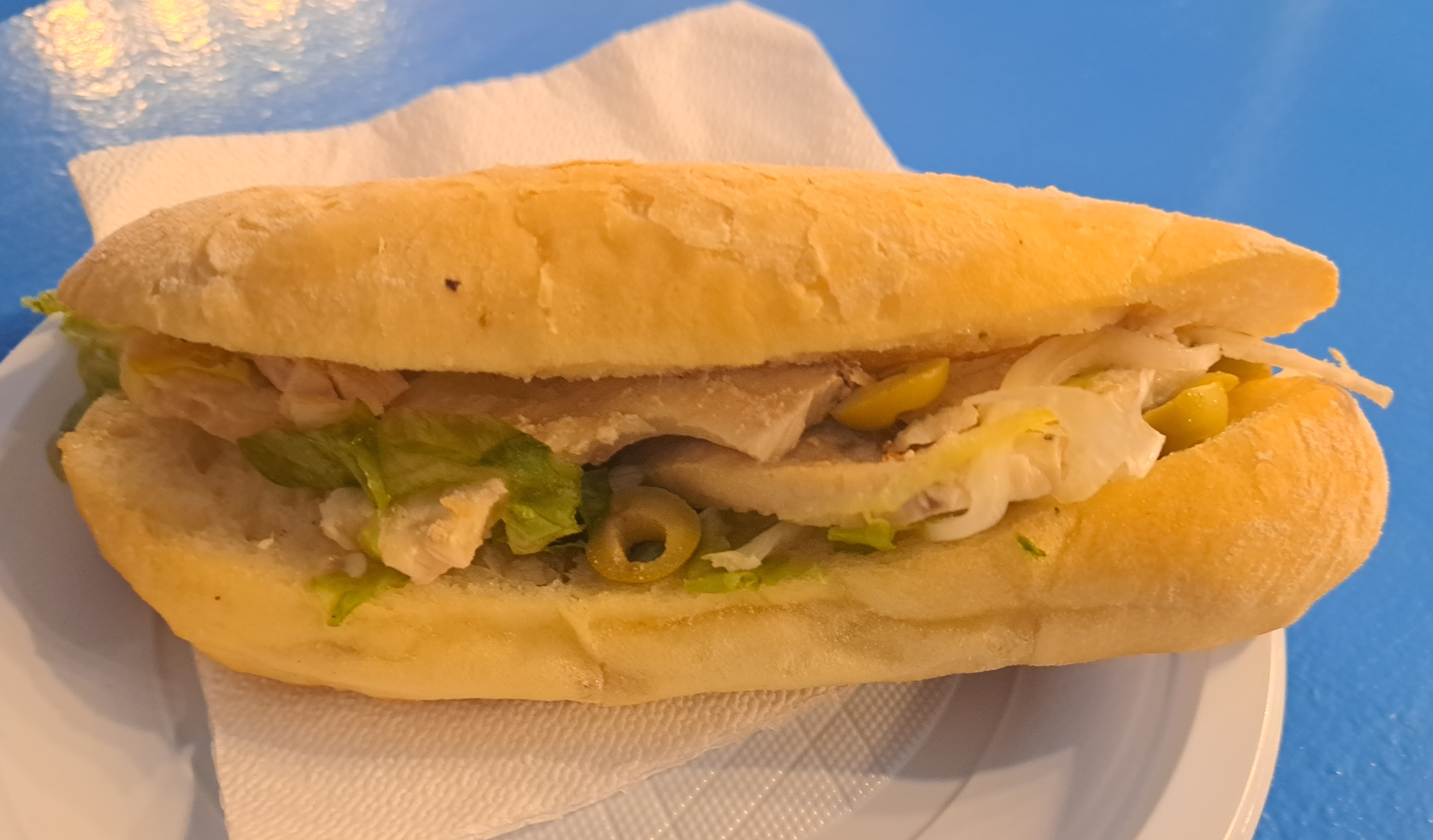
Several things work well for a fast midday meal. On the Costa Viola, a panino con pesce spada — grilled swordfish sandwich, very little added — is a strong argument for not bothering with a full restaurant. Bruschetta with 'nduja is available all along the Tyrrhenian and requires nothing more than bread and heat. In Pizzo, walking the town and eating a Tartufo counts as lunch if you are not especially hungry. Simple seafood plates — grilled catch, fresh pasta with clam or mussel sauce — are widely available at coastal restaurants and rarely disappointing when the fish is fresh. The main thing to avoid: eating at clearly tourist-facing places with English menus visible from twenty metres. A slight walk away from the main beach access and a menu written only in Italian is almost always a better outcome at the same price.
03Which coast section in Calabria is easiest for food without needing to research much?
Costa degli Dei — the stretch around Tropea, Pizzo, Capo Vaticano, and Spilinga — gives you the shortest path from arrival to good eating. Tartufo di Pizzo requires no research at all: walk to the piazza, order. 'nduja is visible everywhere and immediately good on bruschetta. Tropea onions are in every market. Monte Poro cheese is a short drive. The names are famous enough that even supermarkets stock respectable versions of the local products. No other coast section in Calabria concentrates as many recognisable, satisfying food experiences within such a small radius. For travellers who want good food without a plan, this is the starting recommendation.
04What time of day is food culture most alive in Calabrian towns?
The passeggiata window — roughly 6:30 to 9pm — is when food culture and social life most overlap. That is when shops selling local products are most likely to be open and staffed by someone who knows them, when gelaterie like those in Pizzo are at their best, and when the evening aperitivo hour gives a natural entry into the local drink-and-snack tradition. Lunch from 1 to 3pm is worth taking seriously at inland trattorias — Mammola, Serrastretta, the Monte Poro villages — where the midday meal is still the main event of the day. Dinner at the coast tends to start later, around 8 to 9pm. Avoid early dinners before 7:30pm if you want to eat where locals eat: those tables are usually still empty at that hour.
What to bring home
The Calabrian food products worth buying — what makes a good souvenir, what travels well, and what will actually change how you cook.
01What are the best Calabrian food products to bring back in your luggage?
Several things travel well and are hard to find in quality versions outside Calabria. 'nduja in a sealed jar is the obvious first choice — it keeps for months unopened and is genuinely rare elsewhere in good form. Dried or flaked peperoncino from Diamante is lightweight, packs flat, and makes a real difference in a pasta sauce at home. Cedro in candied peel or syrup is unusual enough to surprise anyone who has not tasted it. Bergamot products from the Reggio area — jams, teas, liqueurs — are specific to that strip of coastline and make intelligent gifts. Tropea onion braids are practical and visually distinctive. For pantry essentials: Olio Lametia DOP if you have room for a bottle or tin, and a Cirò wine for those who want a wine souvenir that actually tells a story about the region.
02What are the main DOP and IGP products of Calabria, and why do they matter?
DOP (Protected Designation of Origin) and IGP (Protected Geographical Indication) are EU certifications guaranteeing a product is made in a specific place using regulated methods. Calabria has an unusually rich list for a region its size: Caciocavallo Silano DOP (aged stretched-curd cheese from the Sila plateau), Pecorino del Monte Poro DOP (sheep’s cheese, Vibo Valentia inland), Cipolla Rossa di Tropea Calabria IGP (the sweet red onion), Olio Lametia DOP (olive oil from the Lamezia Terme zone), Bergamotto di Reggio Calabria DOP (the citrus used in Earl Grey and perfumery), Cedro di Santa Maria del Cedro DOP (the distinctive citron of the northern Tyrrhenian coast), Liquirizia di Calabria DOP (liquorice grown in the Ionian interior around Rossano), and Patata della Sila IGP (potatoes from the Sila plateau). When you see these labels, the product is tied to a real place with verifiable standards.
03Are there good food markets or producer visits worth planning a trip around?
Yes, though they require some advance timing. The Festival del Peperoncino in Diamante in early September is the clearest food event worth building a trip around: producers, tastings, competitions, and the full cultural context for what chilli means on the northern Tyrrhenian coast. Olive oil mills in the Lamezia Terme zone receive visitors during pressing season in November and December — outside peak beach season but rewarding for off-season travellers. Sila plateau producers of Caciocavallo Silano often receive visitors by appointment. For 'nduja specifically, a visit to Spilinga rather than buying from a roadside stand makes a noticeable quality difference and gives the product a story. Markets in Reggio Calabria, Cosenza, and Catanzaro have permanent covered sections with local produce vendors consistent year-round.
04Is Calabrian wine worth trying, and which one should you start with?
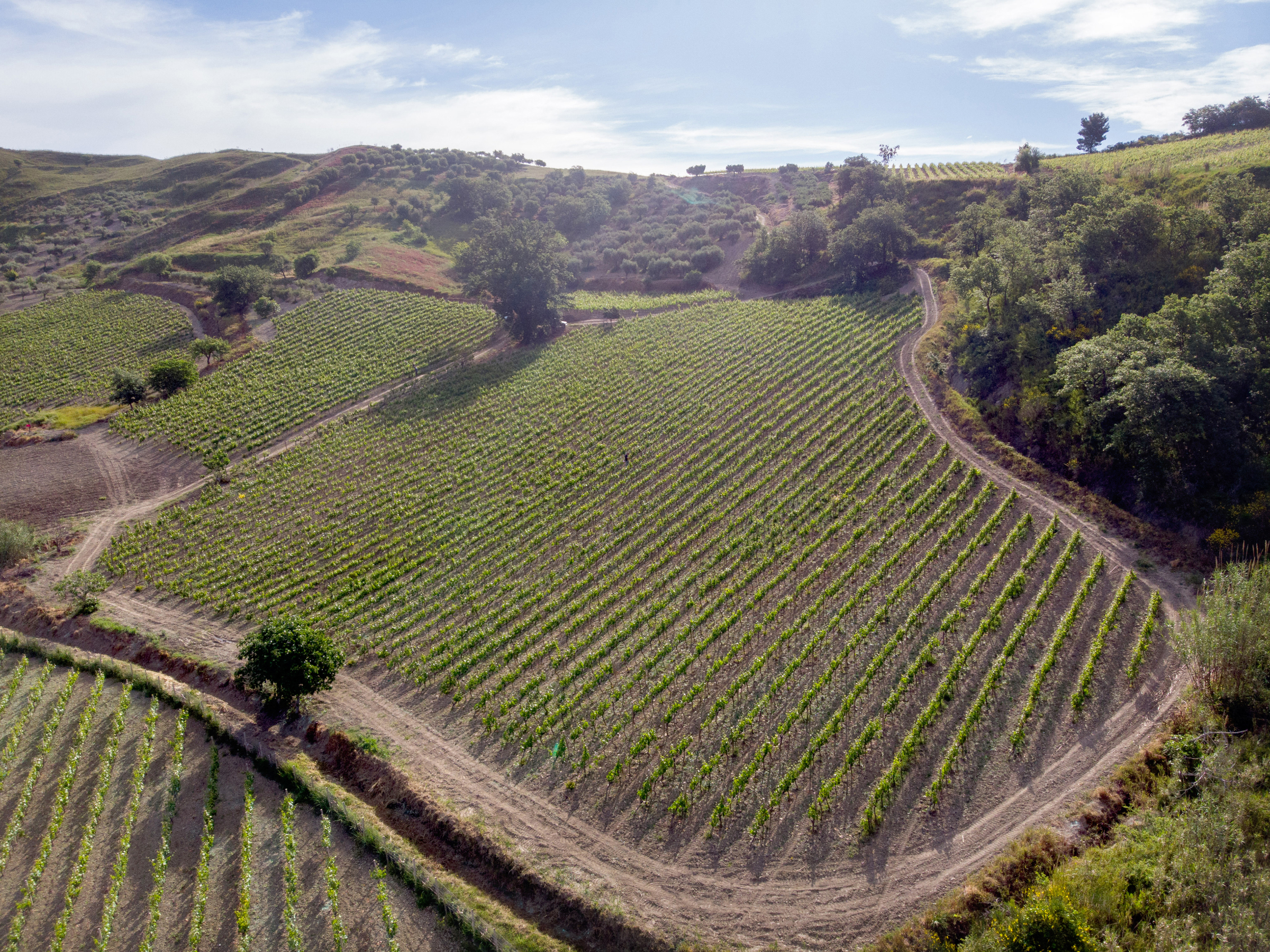
Yes, though wine is less central to Calabria’s food identity than the cured meats and cheeses. The region’s most important denomination is Cirò DOC, produced on the Ionian coast around Cirò Marina from the Gaglioppo grape — a variety that has been cultivated here since ancient Greek colonisation. Cirò Rosso is deep-coloured, tannic when young, and pairs well with the region’s red-meat and preserved-pork dishes. It is also one of Italy’s oldest documented wines, which gives it a certain narrative weight beyond the taste profile. Other denominations worth trying: Greco di Bianco, a sweet passito wine from the Locride coast that is rare and distinctive, and the IGT Calabria whites and rosés that have improved significantly in the past decade as younger winemakers have entered the region. Starting with a Cirò Rosso at dinner is the most coherent introduction to what Calabrian wine does.


 Wikimedia Commons