How to read it
Separate artisan shopping from practical shopping
The best shopping day in Calabria is not always a luxury street or mall run. Often it is a ceramics town, a textile workshop, or a food-product house tied directly to local identity.
Topic reference
In Calabria, shopping is not one thing. Some coasts work best for artisan ceramics and textiles, some for bergamot and food products, some for urban shopping streets, and some for practical retail hubs that make a longer stay easier. The right coastal base changes which of those options is sensible.
Some Calabria coasts are best for artisan towns, some for food products, some for strong city streets, and some simply for practical long-stay shopping. Once you choose the right base for that job, the region becomes much easier to navigate and much more rewarding to buy from.
How to read it
The best shopping day in Calabria is not always a luxury street or mall run. Often it is a ceramics town, a textile workshop, or a food-product house tied directly to local identity.
How to read it
Many of the best artisan districts sit inland or in hill towns, so the useful question is which coastal base makes those detours simple and worthwhile.
Pick the right shopping base
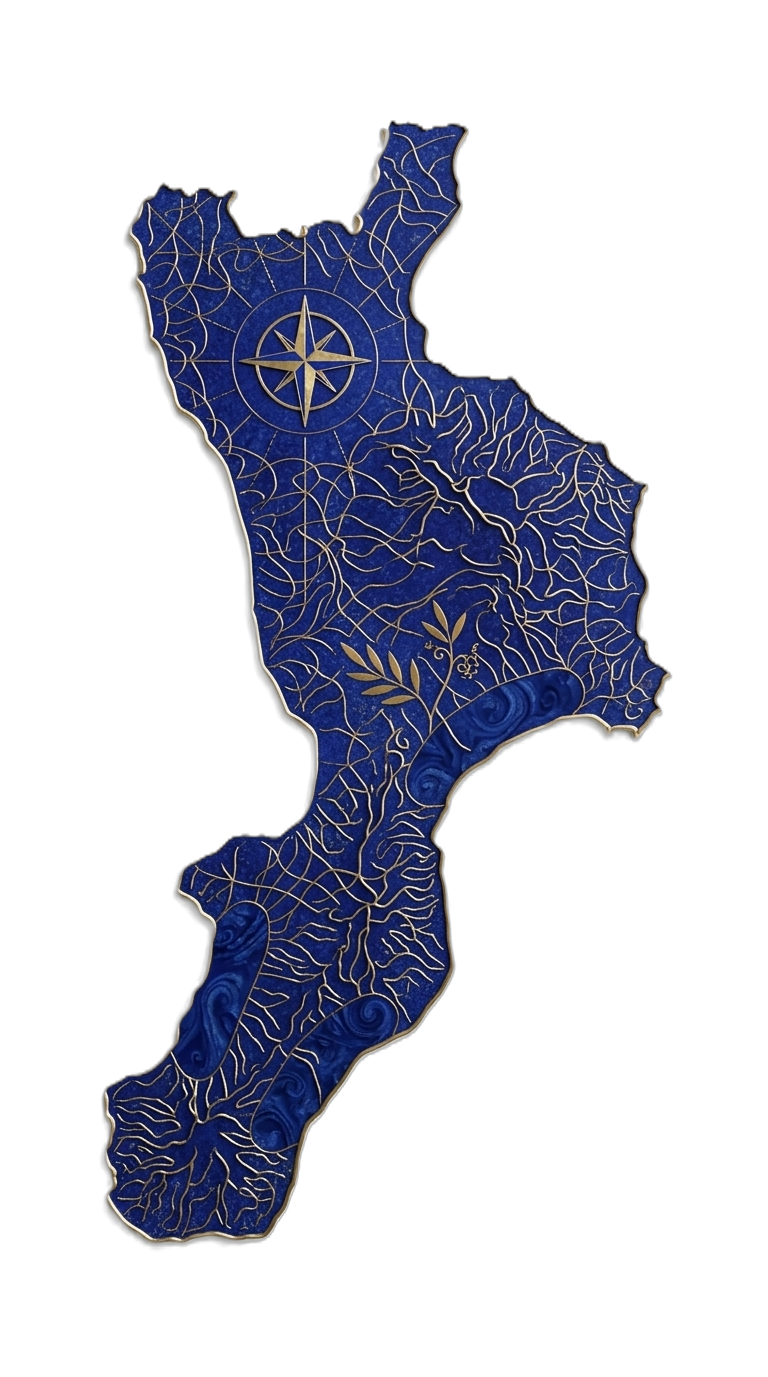
Eight coast references
This coast is best for travelers who want their shopping to feel territorial: cedro products, pepper-related pantry buys, Pollino craft stops, and occasional city or hill-town detours rather than a pure fashion day.
Where to browse first
This is not Calabria's most fashion-led coast, but it is a good territorial-shopping coast.
Use the coast for cedro-linked products, pepper-driven pantry buys, and the kind of small-town shopping that feels attached to place rather than to generic retail.
Best for edible and identity-based purchases.
For practical shopping these towns do the everyday job well enough, but their real value is as launching points toward better inland craft and specialty stops.
Think utility plus a few territorial buys, not luxury browsing.
Artisan and producer detours
The inland edge matters more than the shoreline itself.
Pollino-facing detours add woodwork, terracotta, and regional handmade objects that feel more rooted than beach souvenir retail.
Excellent for road-trippers who already plan an inland lunch.
If your trip stretches inland or toward the university plain, the larger city-shopping layer can be folded into the north-Calabria route without much trouble.
Useful on longer itineraries rather than short coast-only stays.
How to shop well from this base
Use this coast if you want the shopping to stay tied to territory.
Travelers interested in food gifts, pantry items, and region-linked objects usually get more from the Riviera dei Cedri than travelers seeking a dedicated fashion district.
A very good coast for slow shopping, not fast-brand shopping.
The smartest pattern here is beach morning, inland lunch, then one craft or product stop on the way back.
That rhythm fits the territory naturally.
The Riviera dei Tramonti is one of Calabria's smartest shopping bases if you care about practicality: easy access to Lamezia, the Due Mari retail hub, and inland producer stops without giving up the sea as your sleep base.
Where to browse first
This is a utility-strong district rather than a mythic artisan district.
For practical town shopping and regional errands, Lamezia is the key urban anchor of the district.
Useful on any longer stay that needs real everyday functionality.
If you need concentrated retail, gifts, books, clothing, or everyday supplies without wasting time, this is one of Calabria's most efficient answers.
A real advantage for families and longer itineraries.
Artisan and producer detours
The coast's real value is how easily it reaches other central-Calabria shopping layers.
Lametia oil and agricultural-plain producer stops turn the district into a useful product-shopping base, not just a beach-and-mall base.
A strong complement to everyday retail.
Because the peninsula is so narrow here, you can fold east-side city shopping into a west-side base more easily than on most other coasts.
That flexibility is a major asset.
How to shop well from this base
Choose this district when practical shopping matters as much as atmosphere.
Families, split-stay travelers, and longer holidays often benefit from having a coast that can handle normal shopping errands efficiently.
One of Calabria's safest practical bases.
If your dream is a ceramics town or textile village, you will use this coast more as a hub than as the destination itself.
Its strength is reach and convenience.
This district works very well for travelers who want shopping to stay embedded in a beach-famous territory: Tropea onion products, Spilinga nduja, Pizzo sweets, and walkable historic-town browsing all fit naturally inside the same stay.
Where to browse first
This is one of the easiest coasts for casual but place-specific shopping.
Tropea is strong for food gifts, onion products, small artisan buys, and evening shopping that fits naturally into a beach-town walk.
Very easy to integrate into the stay.
Pizzo works well for tartufo-led stops and compact old-town browsing rather than for a full heavy shopping day.
Best as an afternoon and evening errand-plus-walk.
Artisan and producer detours
The inland plateau adds the stronger producer layer.
Nduja, pecorino, and inland food products make this one of Calabria's clearest coasts for taking home edible territory rather than generic souvenirs.
A major reason the district shops well.
If the stay needs a more ordinary town-shopping layer, Vibo gives the district that support without much complication.
Useful on longer stays.
How to shop well from this base
This coast excels at memorable, low-friction buying rather than at deep craft routes.
If you want your shopping to be obvious, delicious, and easily tied to the coast you stayed on, this is a strong district.
A very safe first-trip shopping coast.
The best version of the district combines town browsing on the coast with one short producer run inland.
That gives the buys more substance and less souvenir feel.
Costa Viola becomes a very strong shopping district once you use Reggio Calabria as the urban anchor and then add far-south craft and product detours: bergamot, Seminara ceramics, and Bagnara sweets all belong naturally here.
Where to browse first
This is the strongest city-shopping coast in the far south.
For fashion, urban browsing, and a more complete shopping street experience, Reggio is the clear anchor of the district.
One of Calabria's major shopping streets.
The Reggio area is also where bergamot shopping becomes serious rather than decorative, from edible products to more refined scented goods.
A very place-specific buying opportunity.
Artisan and producer detours
The district improves fast when you leave the city and seafront for targeted craft stops.
Seminara is one of Calabria's major ceramic towns and one of the most important shopping detours in the far south.
Essential for travelers who care about living craft.
The Bagnara side adds a more local sweet and specialty-product layer to the district.
Good for shorter detours tied to a scenic drive.
How to shop well from this base
This coast is strongest when you want one real city plus one or two specific craft or product stops.
Choose this district if you want the shopping to feel recognizably southern-Calabrian rather than generic beach retail.
The mix of city and product identity is its strength.
Because Reggio does the heavy lifting, a compact stay can still feel very complete on the shopping side.
A useful far-south weekend or short extension.
This district works for travelers who want shopping to stay local: smaller town centers, Locride utility shopping, Grecanic products, and selected craft detours rather than one big coastal retail scene.
Where to browse first
The coast does not lead with a single dominant shopping street, so use it differently.
Roccella, Siderno, and nearby centers are the useful everyday anchors of the coast rather than grand shopping destinations.
Good for longer stays that need normal functionality.
The far south gives the district a real product identity even when the retail fabric itself feels quieter than on the Tyrrhenian side.
Best for edible and scented Calabria buys.
Artisan and producer detours
The inland edge matters more than the seafront for the best shopping detours.
The value here lies in smaller-scale products and the cultural context behind them, not in a polished shopping promenade.
A strong fit for slow, curious travel.
If you need a more concentrated retail stop, the larger Locride hub fills that role without forcing a long move west.
Useful for longer family stays.
How to shop well from this base
Use this coast when shopping is part of the territory, not the headline of the trip.
Travelers who want the shopping to remain modest, practical, and rooted in place often get more from this district than from louder retail zones.
A good second-trip Calabria coast.
Shopping works best here when it is folded into Gerace, Grecanica, or other inland routes rather than planned as a separate urban-shopping day.
That is how the district feels most coherent.
This is one of Calabria's most useful shopping districts for mixed groups because Catanzaro's city layer, Squillace ceramics, and nearby textile or cross-isthmus stops all sit within manageable reach of the beach bases.
Where to browse first
This coast gives you both urban and craft-led options without long transfers.
Catanzaro is the key city-shopping anchor, useful for more conventional browsing and as a counterpoint to the beach bases farther down the gulf.
A practical and cultural urban stop at once.
Soverato is less important for major shopping than for giving the coast a solid everyday retail and evening-shopping base around the promenade rhythm.
Good for mixed-use stays.
Artisan and producer detours
This is where the district becomes distinctive.
Squillace is one of Calabria's most important ceramic towns and one of the best artisan-shopping detours on the middle Ionian.
A key stop for travelers who want more than food gifts.
The nearby textile tradition around Tiriolo and the easy westward reach of the isthmus make this district unusually rich in shopping options without changing hotel.
A major advantage over more isolated coasts.
How to shop well from this base
This is a high-function shopping coast because it can do several jobs at once.
Some travelers can take a city or craft detour while others keep a beach day, then everyone meets again easily by evening.
That flexibility is rare and valuable.
If you want beach, archaeology, city shopping, and craft towns in the same trip, Costa degli Aranci is one of the safest planning answers.
Very strong for first-time planners.
The Costa dei Saraceni is not Calabria's broadest shopping coast, but it is a very legible one: Ciro for wine, Cutro for bread, Crotone for jewelry and urban stops, and periodic market culture for travelers who like rooted rather than generic shopping.
Where to browse first
Start with the strongest product identities, not with the beach strip itself.
For many travelers the most meaningful shopping here is wine-first, not fashion-first. Ciro gives the district that clear focus.
A natural buy for any food-and-history itinerary.
Crotone adds the more conventional city-shopping layer and the district's link to local jewelry and urban browsing.
Useful when the coast needs a real town stop.
Artisan and producer detours
The inland side adds the product depth.
Bread, pantry products, and inland Crotonese specialties give the district more substance than a beach-only read would suggest.
Best combined with a food-focused inland lunch.
The wider Crotonese market culture is useful for travelers who enjoy periodic local events and less standardized buying conditions.
A more rooted experience than generic retail.
How to shop well from this base
This coast works best if you shop for territory, not for quantity.
Wine, bread, pantry goods, and a few urban buys usually outperform any attempt to force the district into a big shopping-day fantasy.
Specificity is the payoff here.
The best shopping from this coast usually happens alongside archaeology, winery visits, or inland meals rather than as a standalone mall run.
That makes the district feel coherent rather than fragmented.
The Costa degli Achei is excellent for longer stays that want both practical shopping and meaningful regional buys: Rossano's liquirizia world, inland bread and craft routes, and the broader north-Cosenza urban layer all support it well.
Where to browse first
This district is better than it looks because the product anchors are strong.
Rossano is one of the strongest shopping detours in the district thanks to the liquirizia identity and the wider product-shopping layer around it.
A natural half-day stop from the plain beaches.
For everyday town shopping and longer-stay utility, the larger urban fabric of the district does useful work without abandoning the coast.
Important for family or multi-week stays.
Artisan and producer detours
The inland edge gives the district far more value than the beach strip alone.
Bread traditions, local workshops, and hill-town product buying turn the northern Ionian into one of Calabria's best slow-shopping landscapes.
Very good for road-trippers.
On longer itineraries the district also makes it easier to fold in broader north-Calabria shopping without changing the beach base constantly.
A practical long-stay advantage.
How to shop well from this base
This is a high-value shopping coast for long stays and thoughtful product buying.
Because the beach mechanics are easy, you can give proper time to Rossano, hill towns, and product detours without feeling that the stay is becoming too tiring.
A major reason the district suits one-week holidays.
The coast can handle both normal trip logistics and regional-product shopping better than many more dramatic but less forgiving districts.
It is one of Calabria's most usable all-round shopping bases.